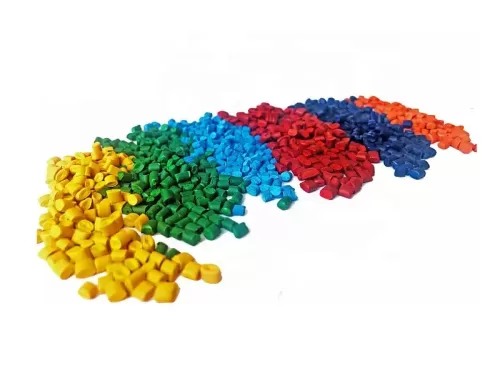
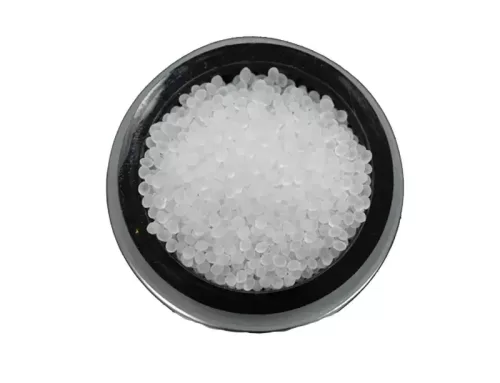
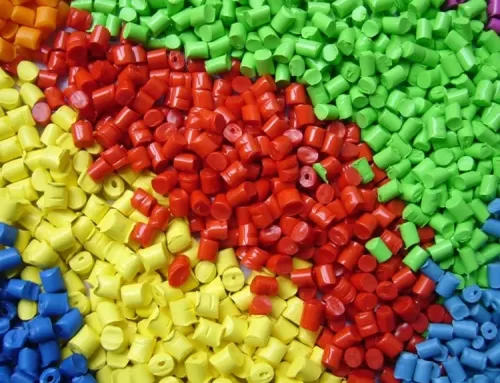
Masterbatch pigments are an essential component in the plastic manufacturing industry, particularly in the production of colored plastics. Masterbatch pigments are concentrated colorants that are added to the polymer resin during the manufacturing process to achieve the desired color or shade.
Masterbatch pigments are made by blending high-quality pigments with a carrier resin that is compatible with the final product’s polymer resin. The carrier resin acts as a carrier for the pigments, allowing for uniform dispersion throughout the polymer resin. The use of masterbatch pigments eliminates the need for the costly and time-consuming process of mixing individual pigments with the polymer resin.
Masterbatch pigments offer several advantages over traditional pigments, such as powder or liquid pigments. One of the main advantages of masterbatch pigments is that they allow for precise control of the final color or shade. Since the concentration of the pigments is known, it is possible to achieve consistent color and shade across different batches of plastic products. Masterbatch pigments also offer improved color consistency and reproducibility, which is particularly important in industries where consistent product quality is critical.
Another advantage of masterbatch pigments is their ease of use. The masterbatch pigment is added to the polymer resin during the manufacturing process, eliminating the need for additional mixing or blending. This saves time and reduces the risk of errors or inconsistencies in the final product.
Masterbatch pigments are available in a wide range of colors, including standard colors such as black, white, and red, as well as custom colors to match specific brand or product requirements. Custom colors are often used in the packaging industry to match specific brand colors or to differentiate products on store shelves.
In addition to offering precise color control and ease of use, masterbatch pigments also provide cost savings. The use of masterbatch pigments reduces the amount of pigment required, as only a small amount of the concentrated pigment is needed to achieve the desired color or shade. This reduces the overall cost of the final product and improves the efficiency of the manufacturing process.
In conclusion, masterbatch pigments are an essential component in the plastic manufacturing industry, offering precise color control, ease of use, improved color consistency and reproducibility, and cost savings. As the demand for high-quality plastic products continues to grow, the use of masterbatch pigments is expected to increase, making it a vital component of the industry’s future.