Masterbatches are essential components in the plastic industry, providing a simple and efficient way to add color and functional additives to plastic products. They enhance performance, improve aesthetics, and offer a cost-effective solution for manufacturers looking to optimize their production processes. Whether it’s improving durability, adding flame retardancy, or reducing static charge, customizable additive masterbatches allow manufacturers to achieve specific product characteristics without geographical limitations.
This article explores the concept of masterbatches, their key benefits, and how customizable additive masterbatches contribute to better plastic products.
What is a Masterbatch?
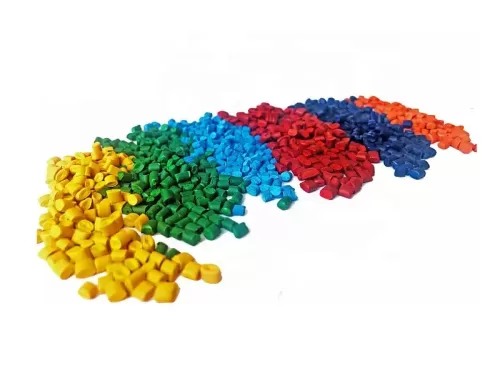
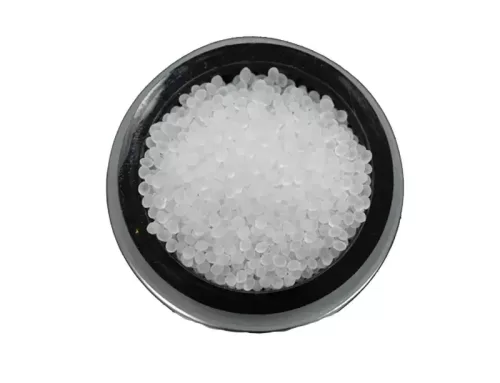
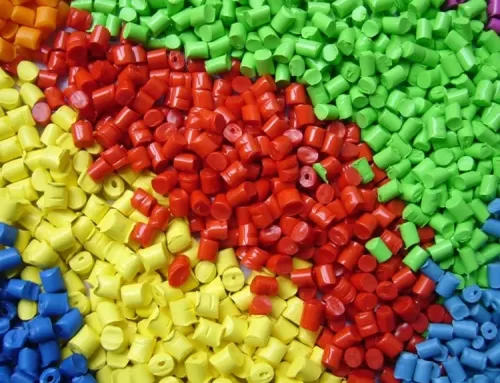
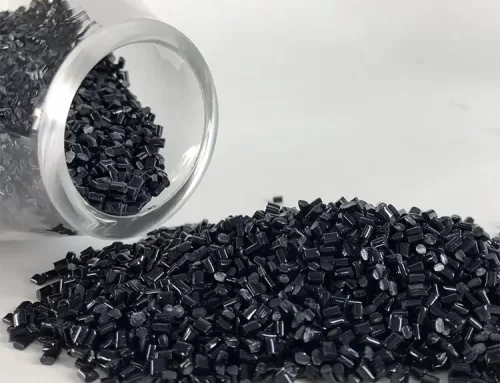
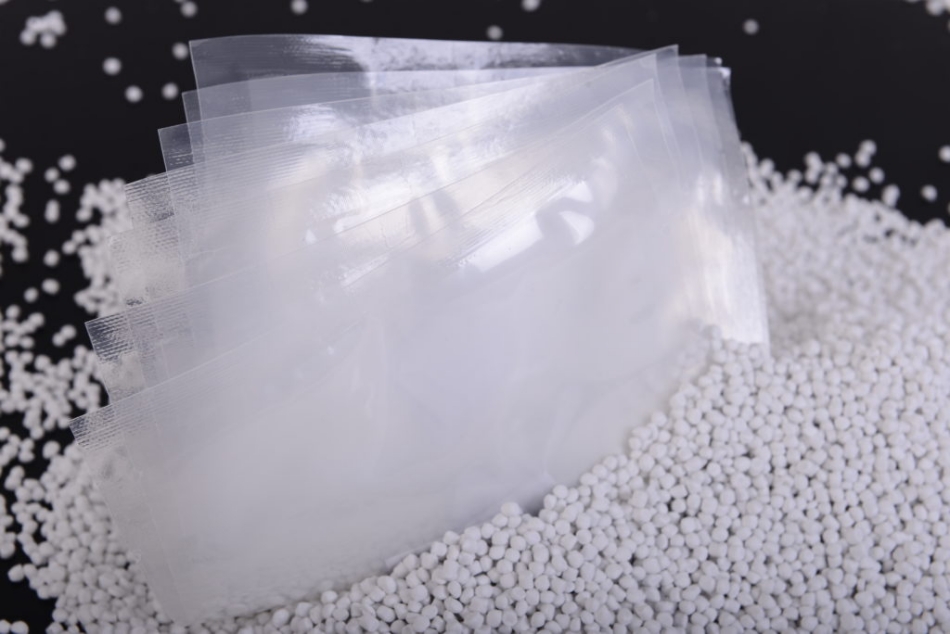
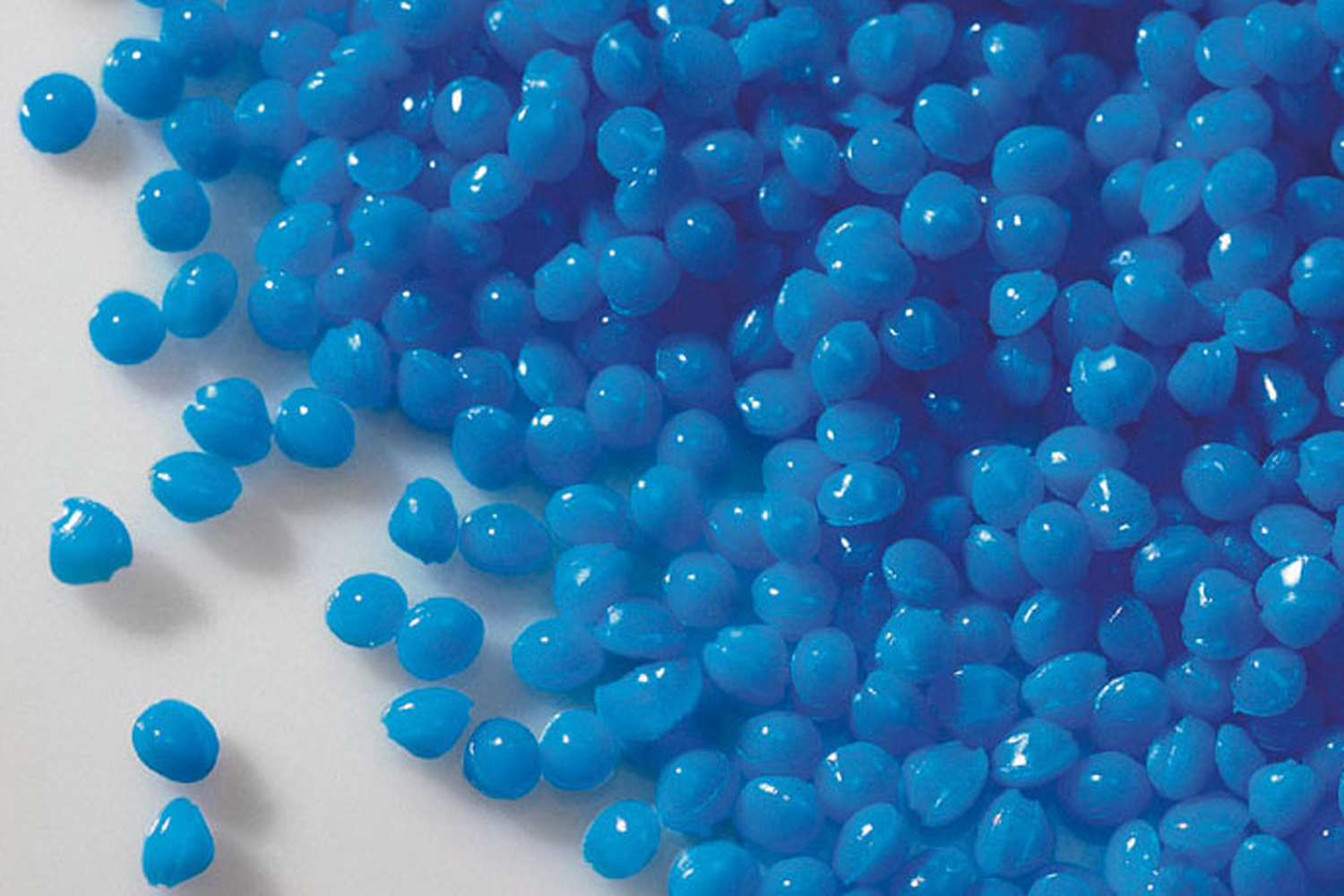
A masterbatch is a concentrated mixture of pigments, additives, and carrier resins used in the plastic industry to impart specific properties to plastic materials. These formulations come in the form of small pellets or granules, which are mixed with raw polymers during production. By using masterbatches, manufacturers can achieve uniform color, enhanced mechanical properties, and improved processability without the complications of directly handling raw pigments or liquid additives.
Masterbatches fall into different categories depending on their intended function:
Color Masterbatches: Used for imparting consistent color to plastic products.
Additive Masterbatches: Contain functional additives to enhance properties such as UV resistance, flame retardancy, anti-static behavior, and slip.
Filler Masterbatches: Reduce production costs by incorporating mineral fillers while improving mechanical strength and thermal stability.
With the right masterbatch formulation, manufacturers can tailor plastic products to meet specific industry requirements while optimizing efficiency.
Key Benefits of Using Masterbatches
Masterbatches offer several advantages over traditional coloring and additive methods, making them a preferred choice for plastic manufacturers worldwide. Below are some of the key benefits.
1. Improved Color and Property Consistency
One of the primary advantages of using masterbatch is the ability to achieve consistent color and performance characteristics. The pigments and additives are pre-dispersed within the carrier resin, ensuring uniform distribution when mixed with the base polymer. This eliminates issues such as color variations, streaking, or poor additive dispersion, which can occur when using raw pigments or liquid additives.
2. Cost-Effective Production
Masterbatches reduce production costs in several ways. First, they require less storage space compared to liquid additives or pre-colored resins. Second, they allow for easy handling and dosing, reducing material waste. Additionally, masterbatches minimize equipment contamination, leading to lower maintenance costs and increased production efficiency.
3. Enhanced Processing Efficiency
Since masterbatches are pre-mixed and pre-dispersed, they simplify the plastic manufacturing process. Unlike raw pigments, which require additional mixing and dispersion steps, masterbatches are ready to use and integrate seamlessly into production lines. This results in fewer processing errors, faster cycle times, and improved quality control.
4. Customization for Specific Applications
Customizable additive masterbatches allow manufacturers to enhance plastic products based on specific industry needs. For example:
Antioxidant Masterbatches: Protect plastic materials from degradation due to heat and oxidation, extending product lifespan.
Antiblock Masterbatches: Prevent plastic films from sticking together, improving handling and usability.
Flame Retardant Masterbatches: Reduce flammability in plastic applications, ensuring compliance with safety standards.
UV Stabilizer Masterbatches: Protect plastic products from ultraviolet radiation, preventing degradation and discoloration over time.
With these and other functional masterbatches, manufacturers can enhance durability, performance, and safety in their plastic products.
5. Environmental and Regulatory Compliance
Masterbatches help manufacturers meet environmental regulations by reducing waste and ensuring controlled additive usage. Many masterbatches are formulated to comply with industry-specific safety and sustainability standards, making them an eco-friendly choice compared to direct pigment use. Additionally, certain additive masterbatches, such as those with anti-static or UV-resistant properties, contribute to extended product life cycles, reducing overall plastic waste.
How Customizable Additive Masterbatches Make Plastic Products Better
Customizable additive masterbatches provide a significant advantage in plastic manufacturing by allowing precise formulation adjustments to achieve desired product characteristics. Here are some key applications:
1. Static Control for Safer and Cleaner Products
Static electricity buildup is a common issue in plastic films and fiber-based applications. This can lead to problems such as dust accumulation on packaging materials or potential damage to electronic components. Anti-static masterbatches help dissipate static charge, improving safety and cleanliness in final products.
2. Improved Mechanical and Thermal Properties
Some applications require plastics with enhanced mechanical strength and heat resistance. Additive masterbatches containing nucleating agents or impact modifiers help achieve these properties. For instance, azodicarbonamide-based masterbatches act as nucleating agents, improving processing efficiency and final product quality.
3. Flame Retardancy for Enhanced Safety
Flame retardant masterbatches help plastic materials meet safety standards by reducing flammability. These formulations work by altering the combustion process, either by forming protective layers, releasing fire-suppressing gases, or inhibiting heat transfer. Industries such as automotive, construction, and electronics benefit from flame-retardant plastic solutions.
4. UV Protection for Outdoor Durability
Plastic products used outdoors must withstand prolonged exposure to sunlight, which can cause discoloration and material degradation. UV stabilizer masterbatches help protect plastics from harmful ultraviolet rays, ensuring long-lasting durability. These additives are commonly used in applications such as outdoor furniture, agricultural films, and automotive components.
5. Slip and Antiblock Properties for Improved Processing
Slip masterbatches reduce friction between plastic surfaces, making processing easier in film applications. Similarly, antiblock masterbatches prevent plastic films from sticking together, ensuring smoother production and handling. These additives are particularly useful in the packaging and agricultural film industries.
Masterbatches play a critical role in the plastic industry by providing efficient solutions for coloring and functional enhancements. Compared to traditional methods, masterbatches offer superior consistency, cost-effectiveness, and customization options. By using the right additive masterbatch formulations, manufacturers can optimize plastic products for durability, performance, and regulatory compliance.
Regardless of location, companies worldwide can leverage customizable masterbatches to produce high-quality plastics that meet industry-specific requirements. From static control to flame retardancy and UV resistance, these formulations help manufacturers create innovative plastic solutions with enhanced functionality and sustainability.
In an industry driven by performance, efficiency, and customization, masterbatches continue to be a game-changer for plastic product development.
 How Customizable Additive Masterbatches Improve Plastic Products