Masterbatches are crucial in the plastic industry, offering an efficient and cost-effective solution for achieving desired colors and properties in plastic products. Whether it is enhancing aesthetic appeal, improving durability, or meeting specific functional requirements, masterbatches have become essential for manufacturers across industries. This article will explore what masterbatches are, traditional color options for plastics, the key benefits of using masterbatch, and the manufacturing process behind them.
What is a Masterbatch?
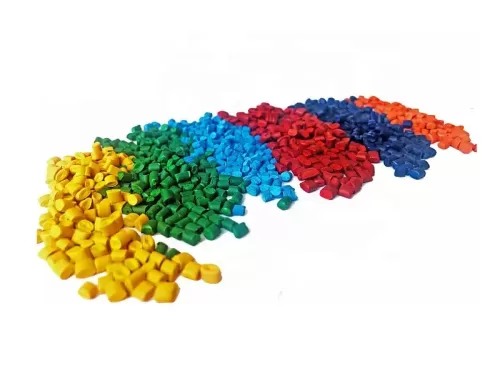
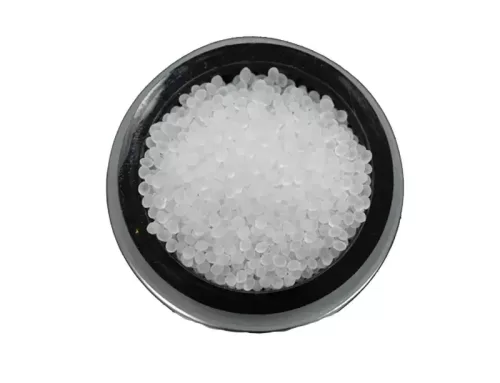
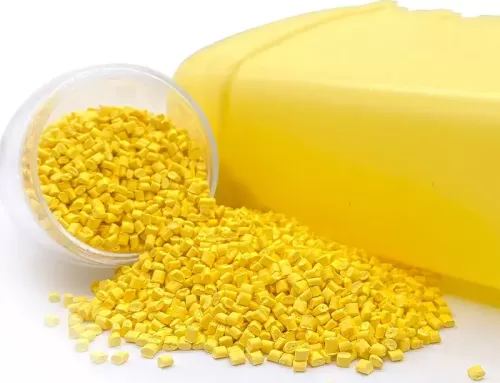
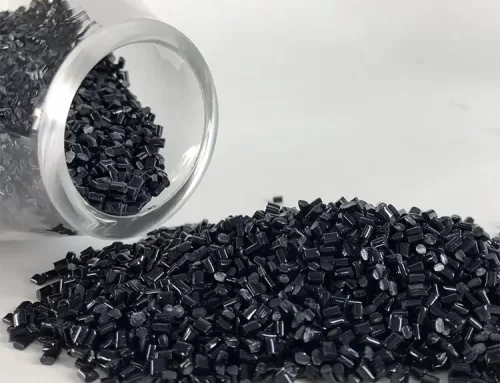
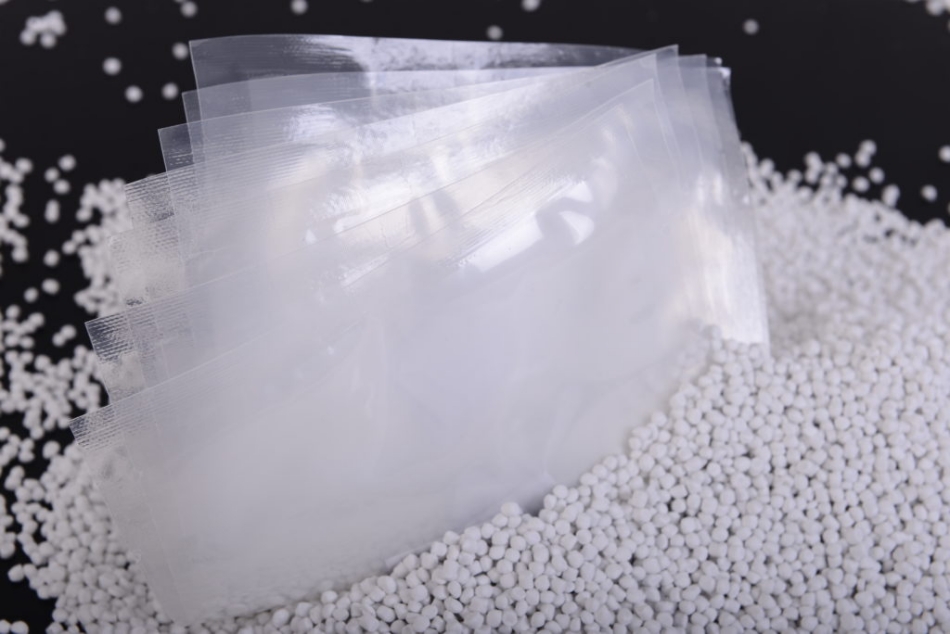
A masterbatch is a concentrated mixture of pigments, additives, and resins used in the plastic industry to impart specific properties to plastic products. It comes in the form of small granules or pellets that are added to the base polymer during the production process. The pigments provide color, while additives enhance properties such as UV resistance, flame retardancy, and heat stability. Masterbatches ensure uniformity in color and properties, which is more efficient than using raw pigments or other traditional coloring methods.
Understanding Traditional Color Options for Plastics
Before the development of masterbatch technology, manufacturers relied on traditional coloring methods such as raw pigments, liquid colors, and pre-colored resins. These options have their advantages but also come with certain limitations. Let’s examine each of them.
Raw Pigments
Raw pigments are solid powders mixed directly with plastic resin during production. They offer a wide range of colors and are highly customizable. However, they are difficult to disperse evenly, leading to inconsistencies in the final product’s color. The process requires specialized equipment for mixing, which can drive up production costs.
Liquid Colors
Liquid colors are blended with plastic resins and offer more flexibility in terms of integration. They are easier to work with compared to raw pigments and require less equipment. Despite their benefits, liquid colors often stain machinery, leading to increased maintenance costs, and their color consistency can fluctuate between batches.
Pre-Colored Resins
Pre-colored resins are plastics that have already been infused with color during production. This method ensures uniform color but can be prohibitively expensive, especially for large-scale production. Additionally, manufacturers are limited by the color options available, and it’s not easy to change colors frequently or customize hues.
Although these traditional methods provide some solutions, they often fall short in terms of consistency, cost-effectiveness, and flexibility. This is where masterbatches come into play as an ideal solution.

Key Benefits of Using Masterbatch
Masterbatches have become a game-changer in the plastic manufacturing industry. They offer numerous benefits that make them a preferred choice over traditional coloring techniques. Let’s explore these key advantages:
1. Superior Color Consistency
One of the most significant advantages of using masterbatch is the superior color consistency it provides. The pigments and additives in masterbatches are pre-dispersed and mixed with the base resin, ensuring uniformity across all batches. This eliminates the common issue of color variations seen with raw pigments or liquid colors, which is especially important in industries where the appearance of products is critical.
2. Cost-Effectiveness
Masterbatches are highly cost-effective in the long run, despite having a slightly higher initial cost compared to raw pigments or liquid colors. The pre-mixed formulation reduces the need for extra equipment and minimizes material waste. Additionally, the encapsulated pigments reduce wear on production equipment, which further cuts down maintenance costs, making them an ideal solution for large-scale manufacturing.
3. Enhanced Production Efficiency
Another key benefit of using masterbatch is the improvement in production efficiency. Since masterbatch is pre-mixed and ready to use, it significantly reduces the time spent on preparation. Manufacturers can bypass the additional mixing steps required for raw pigments, leading to smoother production and shorter lead times. This also minimizes the risk of errors, helping to streamline the manufacturing process.
4. Versatility and Customization
Masterbatches are incredibly versatile and can be customized to meet a wide range of requirements. They can be tailored to produce specific colors, as well as enhance certain properties, such as UV resistance, heat stability, and flame retardancy. Masterbatches are compatible with a variety of plastics, including polyethylene (PE), polypropylene (PP), polystyrene (PS), and PVC, making them suitable for numerous applications in industries ranging from automotive to packaging.
5. Improved Performance Properties
In addition to providing color, masterbatches can also enhance the physical and mechanical properties of plastic products. By incorporating additives like UV stabilizers, antioxidants, and impact modifiers, masterbatches help improve the durability, chemical resistance, and heat stability of the final plastic products. This makes masterbatches ideal for products that need to withstand harsh environmental conditions or require specific performance standards.
The Manufacturing Process of Masterbatches
The production of masterbatches involves several key stages to ensure high-quality results. Here’s a brief overview of the manufacturing process:
1. Selection of Raw Materials
The first step in manufacturing masterbatch is the selection of the raw materials. This includes choosing the right pigments, additives, and carrier resins. The choice of materials depends on the desired properties of the final product, such as color, durability, and processing characteristics.
2. Mixing and Dispersion
Once the raw materials are selected, they are mixed together in a high-speed mixer or extruder. Proper dispersion of the pigments and additives is critical to ensuring that the masterbatch delivers uniform results. The mixture is carefully blended to achieve the desired concentration of color and additives.
3. Pelletizing
After the mixing process, the masterbatch is cooled and cut into small pellets or granules. This makes the masterbatch easy to handle and adds to its efficiency in production. These pellets can be added directly to the plastic resin during the production process, ensuring that the color and additives are uniformly incorporated into the final product.
4. Quality Control
To ensure that the masterbatch meets the required standards, quality control is an essential part of the manufacturing process. The masterbatch undergoes rigorous testing to check for factors like color consistency, dispersion, and performance properties such as UV stability and heat resistance.
Masterbatches have become an indispensable tool in plastic manufacturing due to their ability to provide superior color consistency, enhance product performance, and improve production efficiency. Unlike traditional coloring methods, masterbatches offer cost-effective and customizable solutions that cater to the unique needs of various industries. Whether used in automotive parts, packaging, or consumer goods, masterbatches help achieve the desired aesthetic and functional properties in plastic products, making them a valuable asset to manufacturers worldwide. As the demand for high-performance plastics grows, the role of masterbatches will continue to evolve, offering even more innovative solutions in the future.
 Masterbatches for Plastics Benefits, and Manufacturing Process