Understanding Masterbatch: A Comprehensive Guide
Masterbatch is a crucial component in the plastics industry, offering an efficient and effective way to introduce color and functional additives into polymer materials. This concentrated mixture ensures uniformity, enhances production efficiency, and provides manufacturers with greater control over the properties of their final products.
What Is Masterbatch?
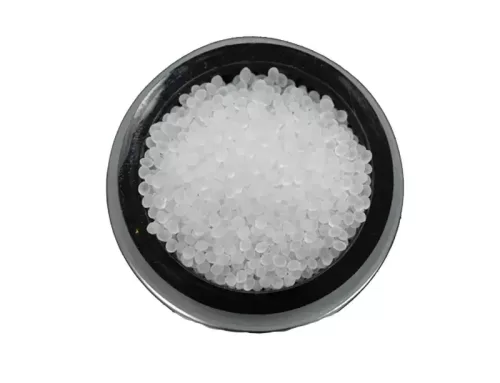
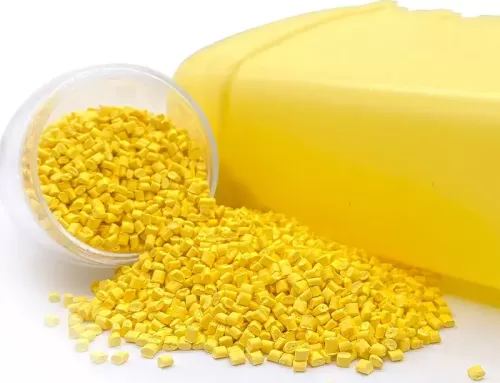
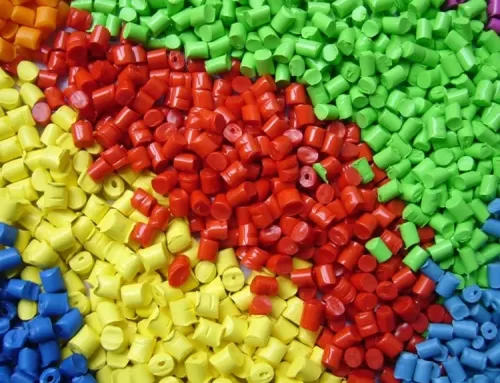
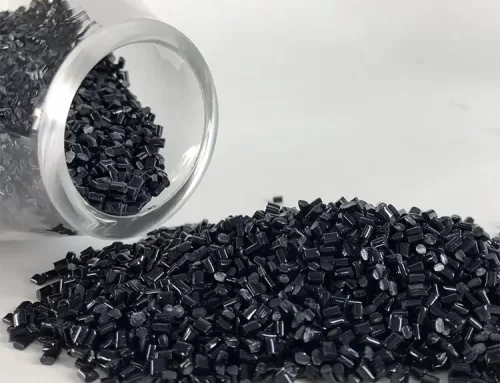
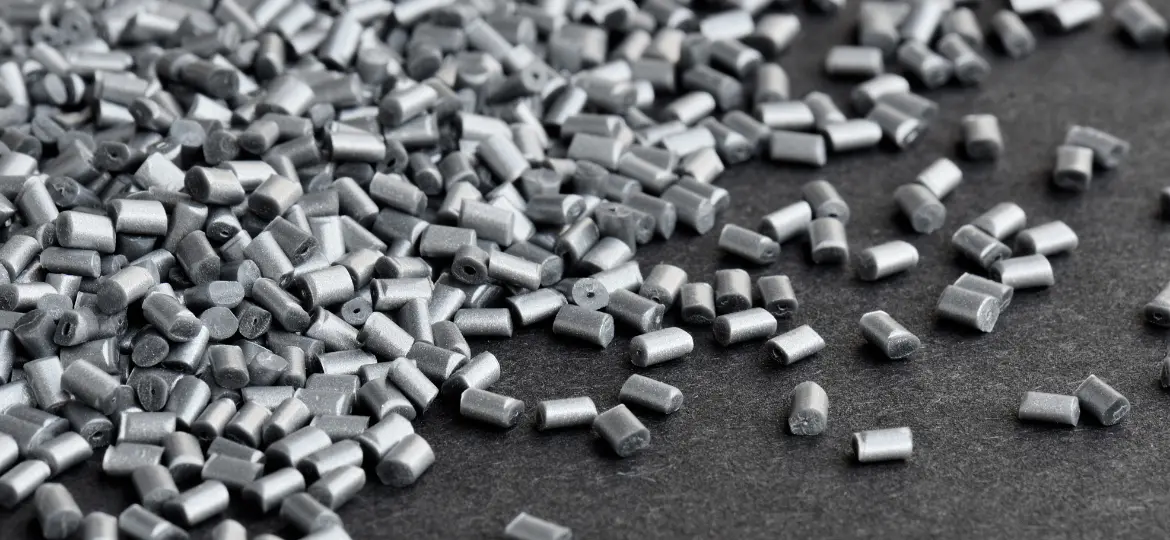
Masterbatch is a solid or liquid additive used for coloring plastics or imparting specific properties to polymer materials. It consists of a concentrated blend of pigments, additives, and a carrier resin, which is then incorporated into the base polymer during the manufacturing process. The carrier resin is selected to be compatible with the base plastic, ensuring even dispersion and optimal performance.
Masterbatch is typically available in three main forms:
Color Masterbatch: Contains pigments or dyes for uniform coloration.
Additive Masterbatch: Includes functional additives such as UV stabilizers, flame retardants, and anti-static agents.
Filler Masterbatch: Incorporates mineral fillers like calcium carbonate to improve mechanical properties and reduce production costs.
Unlike raw pigments or liquid colorants, masterbatch offers a more consistent and controlled method of coloring plastics and modifying their characteristics.

Benefits of Using Masterbatch
Superior Color and Property Distribution
Masterbatch ensures an even dispersion of color and additives throughout the plastic material, eliminating streaking, blotching, and inconsistencies that often occur with direct pigment use. This leads to a more aesthetically pleasing and functionally reliable end product.
Improved Production Efficiency
Masterbatch simplifies the manufacturing process by reducing the need for complex pigment mixing and additional dispersion steps. It is easy to incorporate into plastic resins, reducing processing time and labor costs.
Cost-Effective Solution
While masterbatch may have a higher initial cost compared to raw pigments, it offers long-term savings. Its precise formulation minimizes waste, reduces equipment wear and tear, and enhances process efficiency, resulting in overall cost reductions in production.
Enhanced Performance and Customization
Masterbatch can be tailored to meet specific requirements, such as UV resistance, flame retardancy, or antimicrobial properties. This makes it a versatile solution for industries that demand precise material performance, including automotive, packaging, and healthcare sectors.
Improved Environmental Sustainability
Many modern masterbatch formulations are designed to be environmentally friendly. By using less pigment and fewer chemicals, it helps reduce emissions and waste while improving recyclability and overall sustainability in plastic production.
Applications of Masterbatch
Masterbatch is widely used across various industries due to its versatility and ability to enhance polymer materials. Some of its key applications include:
1. Packaging Industry
The packaging sector relies on masterbatch for vibrant colors and functional enhancements, such as UV resistance to prevent degradation and anti-static properties to reduce dust accumulation. It is commonly used in food containers, shopping bags, and beverage bottles.
2. Automotive Industry
Automotive manufacturers utilize masterbatch to produce durable plastic components with enhanced resistance to heat, UV radiation, and chemical exposure. Common applications include dashboards, bumpers, and interior trims, where long-term durability is crucial.
3. Construction and Infrastructure
In construction, masterbatch is used in pipes, fittings, insulation materials, and roofing sheets. Additives like flame retardants and anti-microbial agents enhance safety and longevity in building materials.
4. Consumer Goods and Electronics
Masterbatch provides bright and consistent colors for household items, toys, and electronic casings. Its ability to incorporate properties like scratch resistance and impact strength makes it essential for high-quality consumer products.
5. Agriculture
In agriculture, masterbatch is used in greenhouse films, irrigation pipes, and mulch films. UV stabilizers are often added to extend the lifespan of plastic materials exposed to prolonged sunlight.
Choosing the Right Masterbatch for Your Needs
When selecting a masterbatch, manufacturers must consider factors such as:
Color Accuracy: Ensuring that the final product meets specific color requirements.
Compatibility with Base Polymer: Selecting a carrier resin that blends seamlessly with the primary plastic.
Functional Requirements: Determining the need for additional properties such as UV resistance or flame retardancy.
Regulatory Compliance: Ensuring that the masterbatch meets industry and environmental regulations, especially for food and medical applications.
Masterbatch plays a vital role in the plastics industry, providing manufacturers with a reliable and efficient way to enhance the appearance and functionality of their products. Its benefits in terms of consistency, efficiency, and customization make it the preferred choice for various applications, from packaging and automotive to construction and agriculture. As advancements in polymer science continue, masterbatch technology will evolve to meet the growing demands for sustainable and high-performance plastic solutions.