What is masterbatch
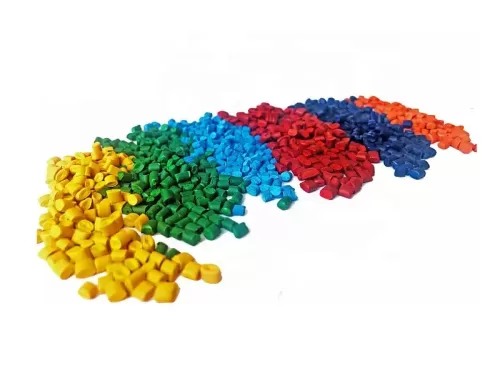
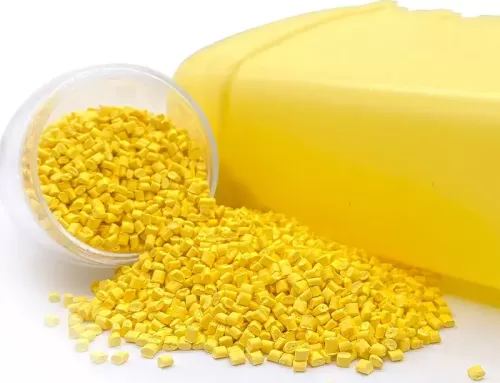
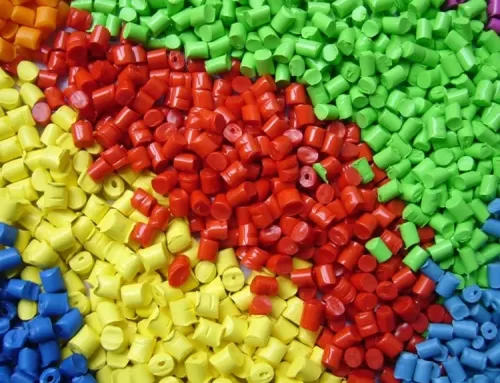
Masterbatch is a concentrated mixture of pigments, dyes or additives in a carrier resin that is used to color or modify the properties of plastic materials during the manufacturing process. It is commonly used in the plastics industry to provide an efficient and consistent way to add color or functional properties to plastic products.
The masterbatch is added to the plastic resin during the extrusion or molding process, and it gets thoroughly mixed with the base polymer to achieve a uniform color or property modification throughout the final product. This method is more efficient and cost-effective than adding small amounts of color or additive directly to the plastic material, as it allows for precise control of the concentration and dispersion of the pigment or additive.
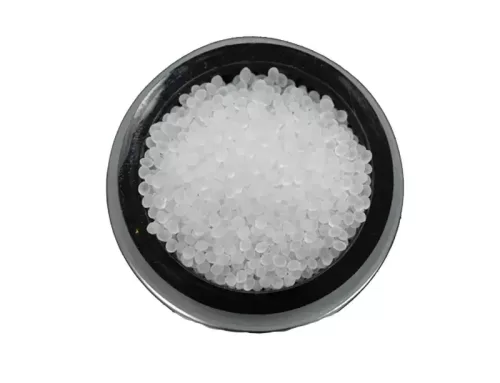
Masterbatch is available in various types, including color masterbatch, additive masterbatch, and white masterbatch. Color masterbatch is used to provide color to plastic materials, additive masterbatch is used to modify properties such as UV resistance, flame retardancy, or anti-static, while white masterbatch is used to lighten the color of plastic materials.
Why use masterbatch
Masterbatch is used in the plastics industry for several reasons, including:
1.Consistency: Masterbatch provides a consistent and uniform color or property modification throughout the plastic product. This consistency ensures that the desired quality and appearance are achieved in every production run.
2.Cost-effectiveness: Using masterbatch is a more efficient and cost-effective way to color or modify plastic materials than adding small amounts of color or additive directly to the plastic. Masterbatch allows for precise control of the concentration and dispersion of the pigment or additive, reducing waste and overall production costs.
3.Flexibility: Masterbatch can be custom formulated to meet specific color or property requirements, allowing manufacturers to create unique products with different colors or functional properties.
4.Improved processing: Adding masterbatch during the extrusion or molding process can improve the processing characteristics of the plastic, such as flow rate, melting point, and surface finish.
5.Reduced inventory: Using masterbatch reduces the need to stock large quantities of pre-colored or pre-modified plastic materials, as manufacturers can produce the desired color or property on demand.
Overall, the use of masterbatch provides a more efficient and flexible way to color or modify plastic materials, while maintaining consistent quality and reducing production costs.
What is masterbatch application
Masterbatch has a wide range of applications in various industries, some of which are:
1.Packaging industry: Masterbatch is widely used in the production of packaging materials such as bottles, containers, bags, and films to provide color, opacity, UV resistance, and other functional properties.
2.Automotive industry: Masterbatch is used in the production of automotive parts such as dashboards, interior trim, and exterior parts to provide color, scratch resistance, and other functional properties.
3.Construction industry: Masterbatch is used in the production of construction materials such as pipes, fittings, and roofing sheets to provide color, UV resistance, and other functional properties.
4.Textile industry: Masterbatch is used in the production of synthetic fibers, yarns, and fabrics to provide color and other functional properties such as UV resistance and flame retardancy.
5.Electronics industry: Masterbatch is used in the production of electronic parts such as casings and connectors to provide color, conductivity, and other functional properties.
6.Medical industry: Masterbatch is used in the production of medical equipment and devices to provide color and other functional properties such as sterilization resistance and biocompatibility.
Overall, masterbatch has numerous applications in various industries and is essential in providing color and functional properties to plastic products.