Masterbatch is a key component in the plastic manufacturing industry, designed to enhance the properties of plastics through precise formulations. From improving mechanical and thermal properties to adding vibrant colors, masterbatch plays an indispensable role in creating high-quality, durable plastic products. This article explores what masterbatch is and highlights its many advantages in the production process.
What is Masterbatch?
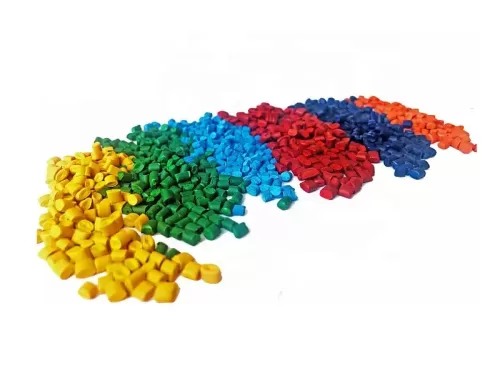
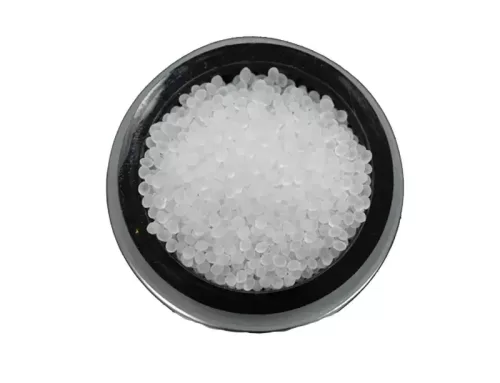
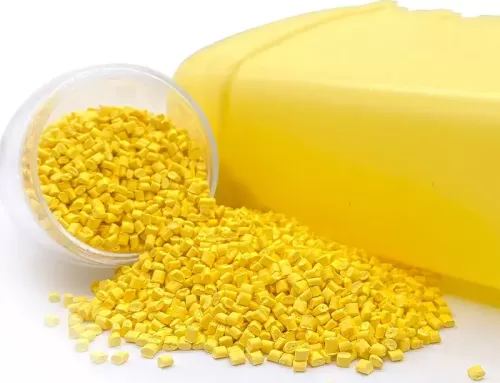
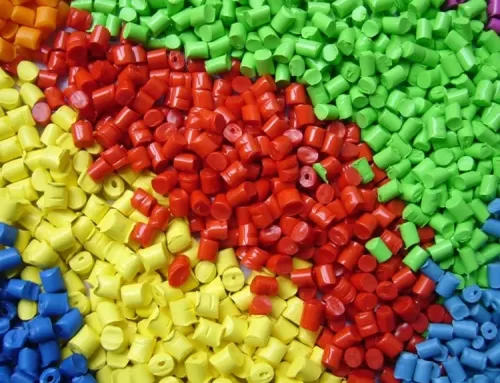
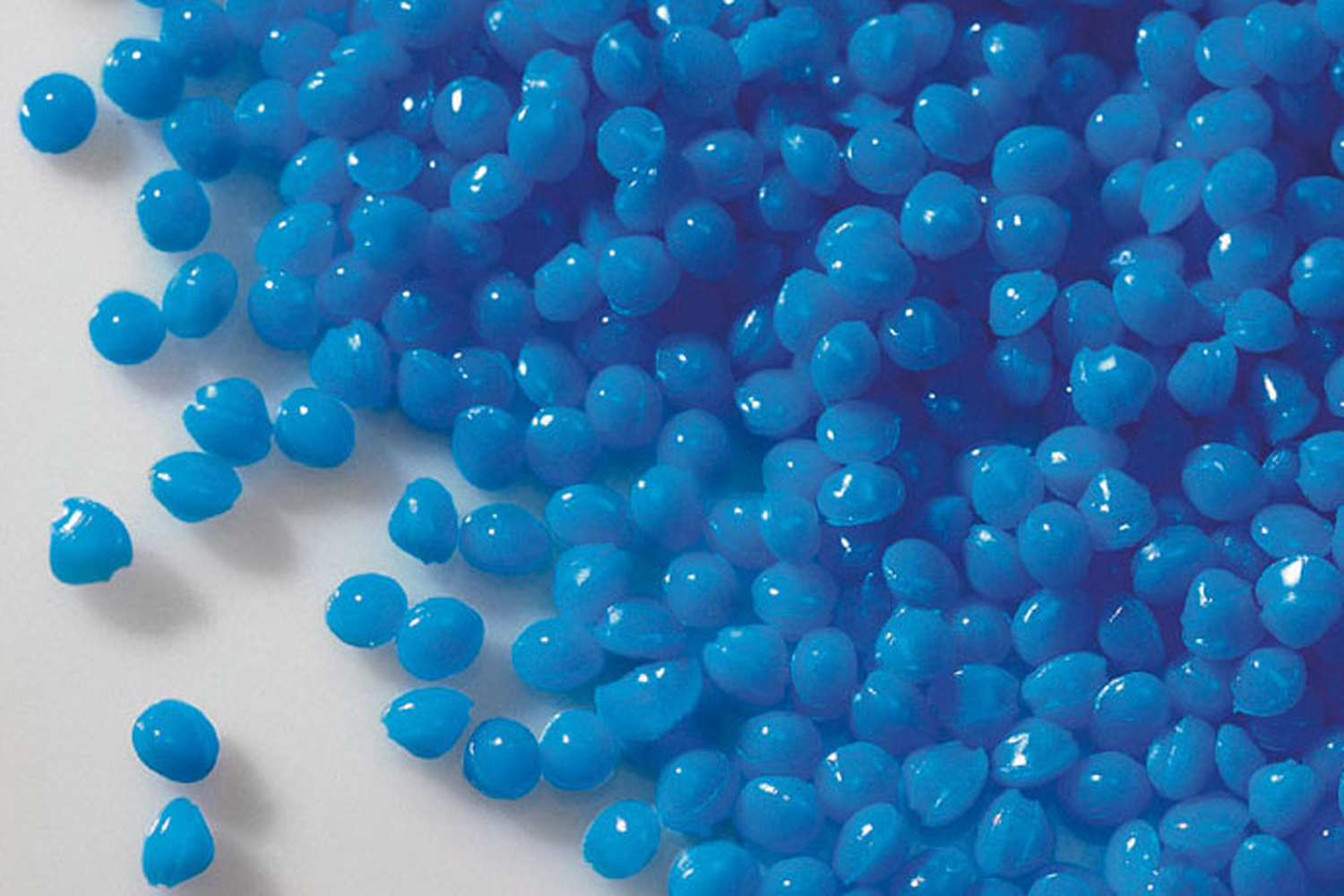
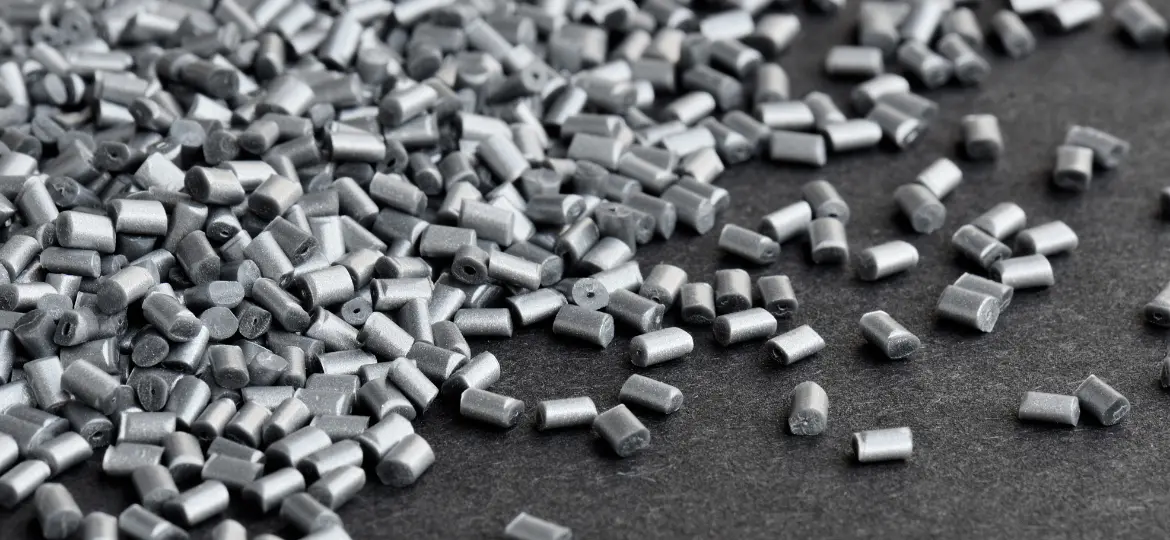
Masterbatch is a concentrated mixture of additives, pigments, or both, encapsulated into a carrier resin. It is used to impart specific properties or colors to plastic materials during their manufacturing process. This additive is typically produced in granular or pellet form, making it easy to blend with raw polymers such as polyethylene (PE), polypropylene (PP), or polycarbonate (PC).
Rather than directly adding pigments or additives to plastic resin, manufacturers use masterbatch to achieve consistency, uniformity, and efficiency during production. By mixing masterbatch into the base polymer, manufacturers can tailor the final product’s properties to meet specific requirements, whether for color, mechanical strength, or resistance to external elements.
Advantages of Masterbatch in Plastic Manufacturing
Using masterbatch in the plastic manufacturing process offers numerous benefits. These advantages not only enhance the functionality of the end product but also improve manufacturing efficiency and compliance with regulatory standards. Below are the key benefits:
1. Enhanced Product Quality
One of the primary advantages of using masterbatch is the ability to consistently produce high-quality plastic products. By incorporating precise amounts of additives or pigments, manufacturers ensure the desired properties, such as color vibrancy, UV stability, or flame retardance, are uniformly distributed throughout the product. This consistency significantly improves the overall quality and performance of plastic materials.
Additionally, the superior dispersion of masterbatch additives ensures there are no color streaks, uneven properties, or defects in the finished product.
2. Customizable Colors and Effects
Masterbatch is widely used to impart color to plastic products, offering unparalleled flexibility when it comes to customization. Manufacturers can match specific color samples, LAB values, or international standards (e.g., RAL or Pantone). With access to an extensive database of color formulations, almost any shade or effect can be achieved.
Furthermore, masterbatch can create specialized visual effects such as metallic finishes, glitter, pearl shine, fluorescent glow, or even glow-in-the-dark properties. These optical enhancements make products more appealing and marketable in industries like packaging, automotive, and consumer goods.

3. Improved Mechanical and Thermal Properties
Masterbatch is not just about aesthetics—it also significantly enhances the mechanical and thermal properties of plastics. By adding functional additives, manufacturers can improve the product’s strength, flexibility, impact resistance, and temperature stability. For instance, flame-retardant masterbatches are commonly used in electrical and construction materials, while antistatic and conductive masterbatches prevent static electricity build-up in sensitive applications.
Masterbatch additives also ensure that plastics can withstand high-temperature processing without degradation. This property is especially crucial in applications like injection molding or blow molding, where extreme heat is involved.
4. UV Stability and Weather Resistance
Exposure to sunlight and other weather elements can degrade plastic materials over time. UV radiation, in particular, breaks down chemical bonds in polymers, leading to discoloration, brittleness, and reduced durability. Masterbatch with UV stabilizers protects plastics from these harmful effects, ensuring they maintain their quality and appearance over time.
In addition to UV protection, masterbatch can also enhance weather resistance. This property is especially important for outdoor applications, such as agricultural nets, greenhouse films, and construction materials, where prolonged exposure to sunlight, rain, and wind is inevitable.
5. Prevention of Migration
Migration refers to the movement of pigments or additives within a material, potentially leading to undesirable effects such as color bleeding or uneven distribution. Masterbatch formulations are designed to prevent migration, ensuring that the additives remain stable and effective throughout the product’s lifespan. This property is particularly important in applications like food packaging, where migration could compromise safety or appearance.
6. Regulatory Compliance
Different industries have stringent regulatory requirements for the materials they use, particularly in sectors like food packaging and electronics. For example, masterbatch formulations intended for food-grade applications must comply with FDA or EU regulations to ensure safety. Similarly, additives used in electronic components must meet anti-corrosion standards for compatibility with sensitive materials like polycarbonate.
By using masterbatch, manufacturers can easily meet these regulatory requirements while maintaining the desired functionality and appearance of their products.
7. Cost-Effectiveness and Efficiency
Masterbatch simplifies the manufacturing process by allowing additives and pigments to be pre-mixed into a carrier resin. This eliminates the need to handle raw pigments or chemicals, reducing the risk of errors and contamination. Additionally, the granular form of masterbatch ensures accurate dosing, which minimizes material waste and improves production efficiency.
Furthermore, masterbatch extends the lifespan of products by enhancing their durability and resistance to environmental factors. This results in long-term cost savings, as manufacturers produce fewer defective or prematurely degraded items.
8. Faster and More Flexible Production
Masterbatch allows manufacturers to respond quickly to changing customer demands or production needs. With the ability to store and reuse color formulations and additive recipes, masterbatch simplifies production planning and enables rapid prototyping of new products. This flexibility is critical in competitive markets where customization and short lead times are essential.
Masterbatch is an indispensable component of plastic manufacturing, offering a wide range of benefits that enhance product quality, durability, and aesthetic appeal. From providing vibrant, customizable colors to improving mechanical properties and UV resistance, masterbatch enables manufacturers to produce high-performance plastic products that meet the demands of various industries.
By using masterbatch, manufacturers can streamline their production processes, comply with regulatory standards, and reduce costs, making it a valuable tool for creating innovative and reliable plastic solutions. Whether for packaging, automotive, construction, or consumer goods, masterbatch ensures that plastics remain versatile, durable, and efficient.
 What is Masterbatch and Its Advantages in Plastic Manufacturing