Master batch processing
Masterbatch processing typically involves the following steps:
Selection of raw materials: The first step in masterbatch processing is the selection of raw materials such as pigments, dyes, additives, and carrier resins. The selection of raw materials depends on the desired color or functional properties of the masterbatch.
Mixing: In this step, the raw materials are mixed together in a high-speed mixer to create a homogeneous blend. The mixing process ensures that the pigments and additives are evenly dispersed throughout the carrier resin.
Extrusion: The blended materials are then fed into an extruder, which melts the resin and mixes it with the pigments and additives. The extruder has a screw that moves the material through the machine and compresses it to create a uniform melt.
Pelletizing: The melted material is then extruded through a die and cut into small pellets. The pellets are cooled and solidified, and then collected in a storage bin for later use.
Quality control: Throughout the masterbatch processing, quality control checks are conducted to ensure that the product meets the desired color and functional properties. These checks may include color matching, testing for additives or functional properties, and overall quality assurance.
Overall, masterbatch processing is a precise and controlled process that ensures the production of high-quality, consistent, and reliable masterbatch products.
What is color masterbatch
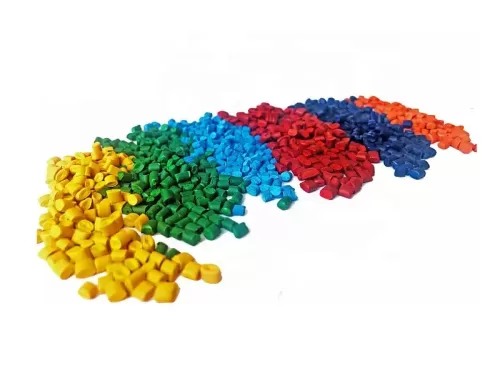
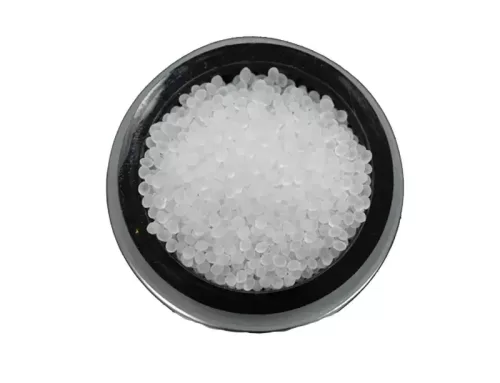
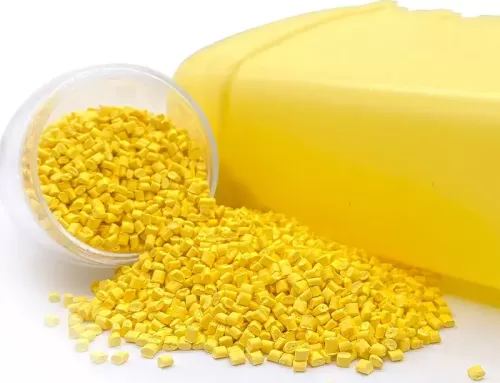
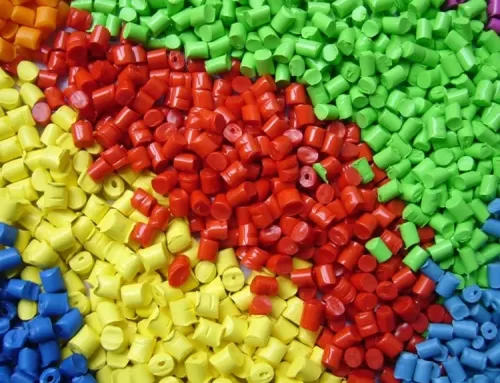
Color masterbatch is a type of masterbatch used to add color to plastic materials. It is a concentrated blend of high-quality pigments and a carrier resin, which is added to the base resin during the manufacturing process to achieve the desired color. The carrier resin can be selected based on the application requirements, such as polyethylene, polypropylene, or polystyrene.
Color masterbatch is commonly used in the plastics industry to add color to a variety of plastic products, such as toys, household items, packaging materials, automotive parts, and more. It is available in a wide range of colors, including standard colors, custom colors, and special effects.
The benefits of using color masterbatch include:
- 1.Consistency: Color masterbatch provides a consistent and uniform color to plastic products, ensuring that the color is the same throughout the product.
- 2.Customization: Color masterbatch can be customized to meet specific color requirements, enabling manufacturers to produce products in a variety of colors.
- 3.Cost-effectiveness: Using color masterbatch to color plastic products can be more cost-effective than using pre-colored materials or dyeing the plastic during production.
- 4.Improved processability: Using color masterbatch can improve the processability of the plastic during manufacturing, resulting in fewer production defects and improved production efficiency.
Overall, color masterbatch is a popular choice in the plastics industry due to its consistency, customization, cost-effectiveness, and improved processability. It is widely used in various industries, and manufacturers can choose the appropriate type of color masterbatch based on their specific application requirements.