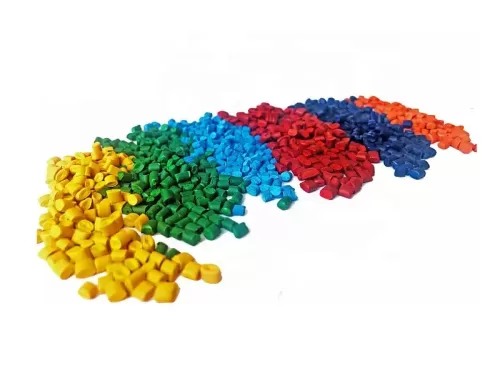
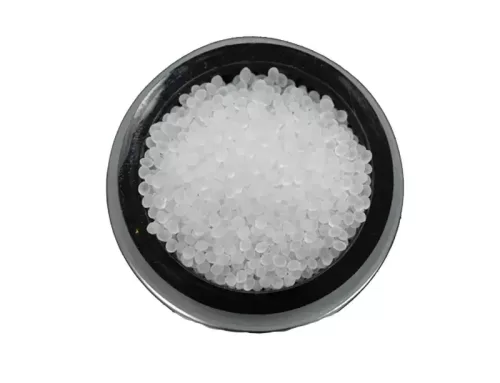
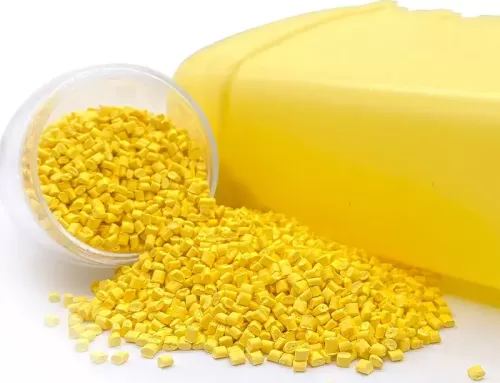
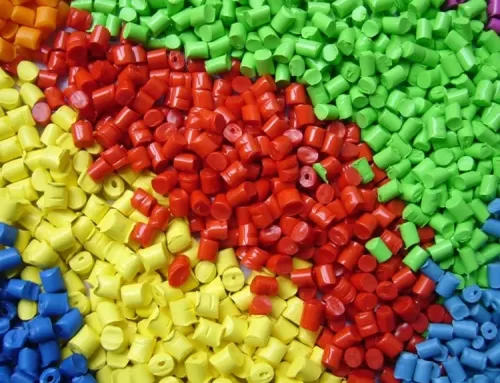
There are both universal and specified base materials for making color masterbatches.
The material used as the base material generally needs to have good processability and thermal stability. PE and EVA are more commonly used in general base materials, and PP and PVC are also useful; ABS color masterbatch should be the main body; SANs generally rarely use ontology and have high costs; Wax without carrier; If making chemical fiber masterbatch, there is basically no universal base material, and a specified base material needs to be used. Other base materials will have a significant impact on the strength of the silk.
The advantage of universal color masterbatch is that it is easy to use, but its disadvantage is that the scope of “universal” is very narrow, and the technical indicators and economic benefits are also poor, specifically manifested in:
Poor predictability of coloring effects. Color masterbatch is used for coloring, and the pigments of universal color masterbatch will present different colors in different plastics, so the predictability of coloring effect is poor;
Affects other properties of plastic products. Especially in terms of strength, products are prone to deformation and distortion, which has a more significant impact on engineering plastics;
The cost is relatively high. In order to be “universal”, universal color masterbatches often use pigments with higher heat resistance levels, which leads to waste.
From the perspective of product performance, it is best to use the same material as the base material for whatever material is made, which has good compatibility. However, each manufacturer cannot make their own color masterbatch, which is also very troublesome. So it usually depends on the performance requirements. For those with high requirements, the same base material can be used, while for those with low requirements, universal base materials can be used.
Introduction:
Color masterbatch plays a crucial role in the plastic industry, providing vibrant and consistent colors to a wide range of plastic products. The base material used in color masterbatch formulation, often referred to as the carrier or carrier resin, is an important aspect of the manufacturing process. In this article, we will explore the base materials used for making color masterbatches and whether they are universal or varied based on different materials.
Base Materials for Color Masterbatch:
The selection of the base material for color masterbatch depends on several factors, including the type of polymer being colored, processing conditions, end-use applications, and desired performance characteristics. The most commonly used base materials for color masterbatch production include:
Polyethylene (PE):
Polyethylene, in its various forms such as LDPE, LLDPE, and HDPE, is widely used as a carrier resin for color masterbatch production. It offers good compatibility with a broad range of polymers, excellent melt flow properties, and ease of processing. PE-based color masterbatches are suitable for applications in packaging, film, and various plastic products.
Polypropylene (PP):
Polypropylene is another popular base material for color masterbatch formulation. PP-based color masterbatches exhibit excellent thermal stability, chemical resistance, and processing characteristics. They are commonly used in applications such as automotive parts, household goods, and medical devices.
Polystyrene (PS):
Polystyrene-based color masterbatches are utilized for coloring polystyrene and its derivatives. PS-based masterbatches offer good color dispersion, compatibility, and processability, making them suitable for applications in packaging, disposable products, and consumer goods.
Other Polymers:
In addition to PE, PP, and PS, other polymers such as ABS, PVC, PET, and PC can also serve as base materials for specific color masterbatch formulations. These specialized color masterbatches are tailored to meet the unique processing and performance requirements of the respective polymers.
Choosing the Carrier Based on Different Materials:
The choice of carrier resin for color masterbatch can vary depending on the specific polymer being colored. Different polymers have distinct processing temperatures, melt flow properties, and compatibility requirements. Therefore, it is essential to select a carrier resin that matches the processing conditions and characteristics of the target polymer. This ensures optimal dispersion, stability, and color performance in the final plastic product.
Conclusion:
The base material, or carrier resin, used in color masterbatch manufacturing is an important consideration. PE, PP, and PS are commonly used as carrier resins for color masterbatch production, providing excellent compatibility and processing properties. However, depending on the targeted polymer and its specific requirements, other polymers such as ABS, PVC, PET, and PC may also be used. As a color masterbatch manufacturer, we carefully select the appropriate carrier resin based on the desired color performance, compatibility, and processing conditions to ensure high-quality and consistent color masterbatch solutions. Contact us today to discuss your color masterbatch needs and benefit from our expertise in choosing the right base material for your specific applications.