Polyvinyl Chloride (PVC) is one of the most widely used thermoplastic polymers across various industries, especially in construction, plumbing, and water storage. Its popularity stems from its durability, cost-effectiveness, and ease of installation. PVC pipes and PVC water tanks are integral components of modern infrastructure, and their performance is often enhanced through the use of masterbatch additives. This article explores what PVC masterbatch is, its benefits, and its diverse applications.
What is PVC Masterbatch?
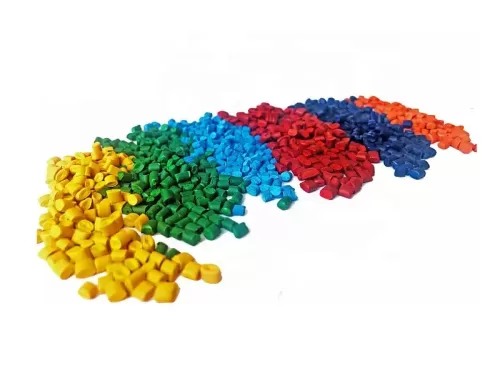
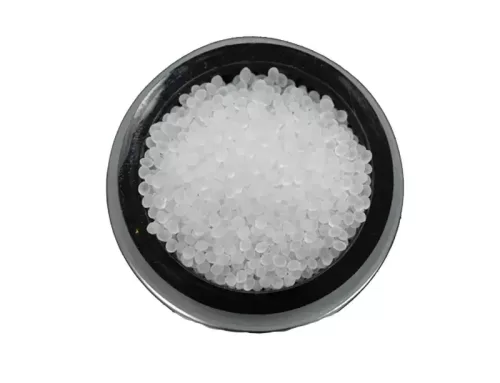
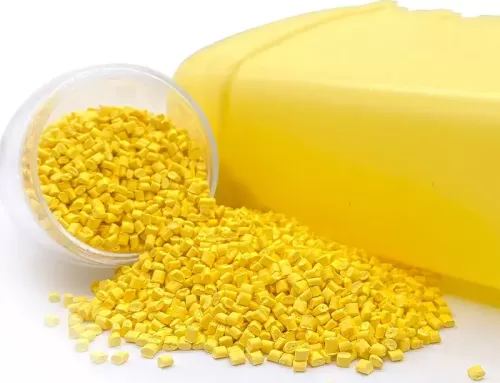
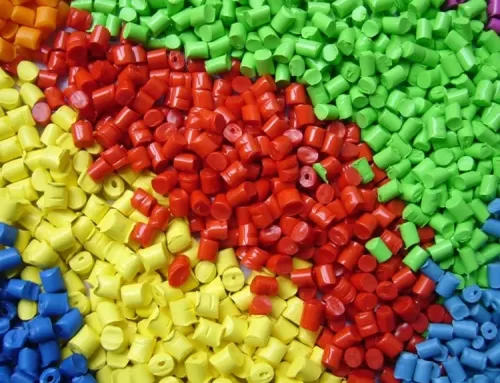
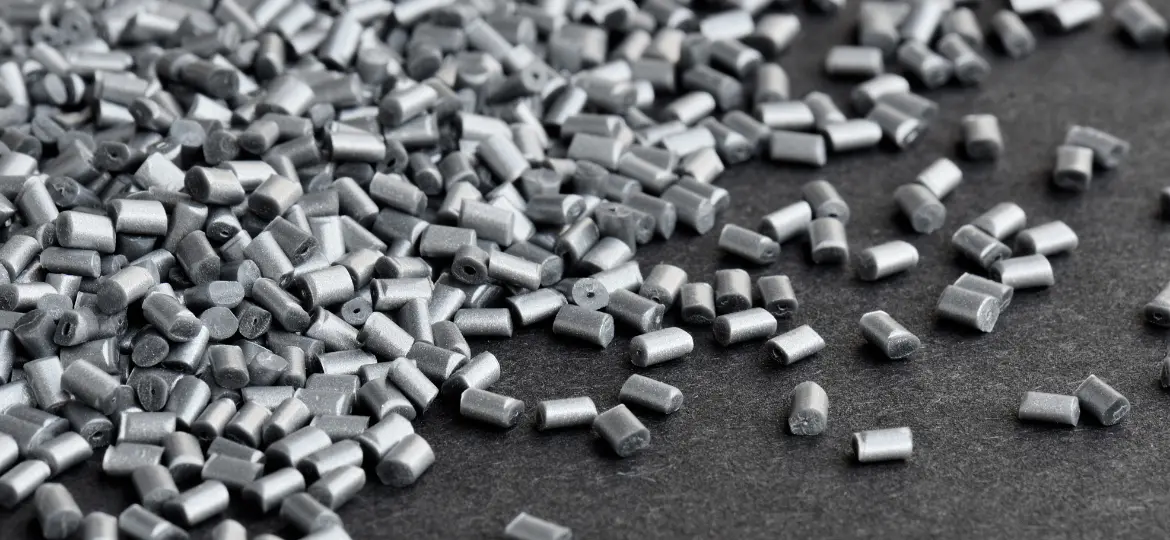
PVC masterbatch is a highly concentrated mixture of pigments, additives, and fillers encapsulated within a carrier resin. Produced in pellet or granule form, it is designed to be easily handled and integrated into PVC processing. During the compounding process, the carrier resin serves as a medium to uniformly disperse the additives throughout the PVC material. This ensures consistent quality and performance of the final product.
Masterbatch plays a crucial role in the PVC industry by enhancing various properties of PVC products. The types of masterbatch used can vary depending on the desired properties of the final product.

Benefits of PVC Masterbatch
1. Color Enhancement
Color masterbatch is one of the most commonly used types of masterbatch in the PVC industry. By incorporating color masterbatch into PVC resin, manufacturers can precisely control the color of the final product. This is especially important in applications where color-coding is necessary to differentiate between pipes carrying different fluids or to meet aesthetic requirements in construction projects. Consistent coloring across production batches ensures uniformity and enhances the overall appearance of PVC pipes and water tanks.
2. UV Stabilization
PVC pipes and water tanks are often exposed to outdoor environments, where continuous exposure to ultraviolet (UV) radiation can lead to degradation. UV stabilizer masterbatch contains additives that absorb or scatter harmful UV rays, protecting the PVC material from UV-induced damage such as discoloration, embrittlement, and loss of mechanical properties. This helps PVC products maintain their structural integrity and appearance even after prolonged exposure to sunlight.
3. Heat Resistance
PVC pipes are frequently used to transport hot fluids in plumbing systems and industrial processes. Heat stabilizer masterbatch is added to PVC resins to improve their resistance to thermal degradation, ensuring that the pipes can withstand elevated temperatures without losing their mechanical properties. This minimizes the risk of warping or softening, enhancing the overall performance and reliability of PVC pipes in high-temperature applications.
4. Impact Modification
During transportation and installation, PVC pipes and water tanks can be subjected to mechanical stresses and impacts. Impact modifier masterbatch enhances the toughness and impact resistance of PVC materials, enabling them to absorb energy during impact events. This reduces the risk of cracks, fractures, and other forms of damage, making the products more durable and reliable.
5. Flame Retardancy
In applications where fire safety is crucial, such as in buildings and infrastructure, flame retardant masterbatch is essential. These additives reduce the flammability of PVC materials and inhibit the spread of flames. By delaying flame propagation and minimizing the generation of flammable gases, flame retardant masterbatch enhances the fire safety of PVC pipes and water tanks, protecting lives and property.
6. Improved Product Performance
Incorporating masterbatch additives significantly enhances the overall performance of PVC pipes and water tanks. Each type of masterbatch contributes to improved mechanical properties, increased heat resistance, superior impact resistance, and enhanced flame retardancy, resulting in more reliable and durable products.
7. Cost-Effectiveness
Masterbatch additives are highly concentrated, allowing manufacturers to achieve the desired properties with relatively low quantities. This results in cost savings during production compared to using pure additives, without compromising the performance of the end products.
8. Customization
Masterbatch provides a high degree of customization, enabling manufacturers to meet specific customer requirements. Whether it’s achieving a particular color, enhancing specific functionalities, or meeting regulatory standards, masterbatch offers the versatility needed to tailor PVC pipes and water tanks to diverse market demands.
9. Sustainability
As environmental concerns grow, sustainable manufacturing practices are becoming increasingly important. Masterbatch can be formulated with eco-friendly additives, contributing to the production of more sustainable PVC products. Additionally, the improved performance and durability of PVC pipes and water tanks reduce the need for frequent replacements, further lowering their environmental impact.
10. Faster Production
Integrating masterbatch into PVC processing can streamline production processes and shorten cycle times. The homogeneous dispersion of additives achieved through masterbatch allows for consistent and efficient production, increasing overall manufacturing efficiency and output.
Applications of PVC Masterbatch
PVC masterbatch finds applications across various industries, enhancing the performance and appearance of PVC products. Some of the key applications include:
1. Construction and Plumbing
In the construction and plumbing industries, PVC pipes are widely used for water supply, drainage, and sewage systems. Color masterbatch enables color-coding for easy identification of pipes, while UV stabilizer and heat stabilizer masterbatches ensure the pipes withstand outdoor conditions and high temperatures.
2. Water Storage
PVC water tanks are essential for storing water in residential, commercial, and industrial settings. UV stabilizer masterbatch protects the tanks from sun damage, ensuring their longevity. Impact modifier masterbatch enhances the tanks’ durability, making them resistant to mechanical stresses during transportation and installation.
3. Industrial Applications
In industrial applications, PVC pipes are used for transporting various fluids, including hot liquids. Heat stabilizer masterbatch ensures the pipes maintain their structural integrity at elevated temperatures. Flame retardant masterbatch adds a layer of safety, reducing the risk of fire hazards in industrial environments.
4. Consumer Goods
PVC masterbatch is also used in the production of consumer goods such as toys, furniture, and household items. Color masterbatch allows for vibrant and consistent coloring, while impact modifier masterbatch ensures the products are tough and durable.
5. Infrastructure
In infrastructure projects, PVC pipes are used for underground and above-ground installations. UV stabilizer masterbatch protects these pipes from UV radiation, ensuring they remain functional and intact over time. Flame retardant masterbatch adds an extra layer of safety in critical infrastructure applications.
PVC masterbatch is a vital component in the PVC industry, significantly enhancing the properties and performance of PVC pipes and water tanks. From color enhancement and UV stabilization to heat resistance, impact modification, and flame retardancy, masterbatch additives provide numerous benefits. The ability to customize PVC products to meet specific requirements, along with cost-effectiveness and sustainability, makes masterbatch an invaluable tool for manufacturers. As technology advances, the use of masterbatch in PVC processing will continue to support the development of high-quality, durable, and sustainable PVC products essential for modern infrastructure and various applications.