Masterbatch, often referred to as color concentrate, is a crucial additive used in the plastics industry to impart color and enhance the properties of polymer materials. This article delves into the main components of masterbatch, its various types, and the production process, providing a comprehensive understanding of this essential material.
Main Components of Masterbatch
Masterbatch is composed of three primary components:
Pigments or Dyes: These are the coloring agents that provide the desired hue to the plastic. Pigments are solid, insoluble substances, while dyes are soluble. The choice between pigments and dyes depends on the specific requirements of the final product, such as opacity, brightness, and resistance to environmental factors.
Carrier Resin: The carrier resin serves as the base material that encapsulates the pigments or dyes, ensuring their even distribution throughout the polymer matrix. Common carrier resins include polyethylene (PE), polypropylene (PP), polyvinyl chloride (PVC), and others, selected based on their compatibility with the end-use plastic.
Additives: Various additives can be incorporated to impart specific properties to the masterbatch, such as UV resistance, flame retardancy, anti-static characteristics, or improved mechanical properties. These additives enhance the functionality and durability of the final plastic products.
Types of Masterbatch
Masterbatch can be categorized based on several criteria, including its application, color, carrier resin, function, and user conditions.
Classification by Application
Injection Masterbatch: Used in injection molding to produce solid shapes with precise color control. It is further divided into advanced and ordinary grades based on the quality requirements.
Blow Molding Masterbatch: Formulated for blow molding processes to create hollow objects like bottles. It ensures color uniformity and is available in advanced and ordinary grades.
Spinning Masterbatch: Designed for the spinning process to produce textile fibers. It offers high tinting power and resistance to heat and light.
Classification by Color
Black Masterbatch: The most commonly used color masterbatch, providing UV protection and conductivity. It is widely used in automotive parts, agricultural films, and more.
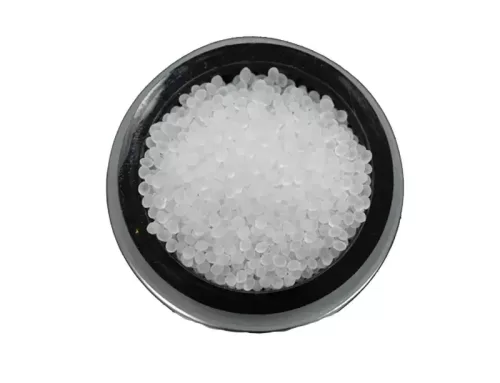
White Masterbatch: Used to impart an opaque white color, enhancing the coverage and opacity of plastic products. It commonly contains titanium dioxide and other additives.
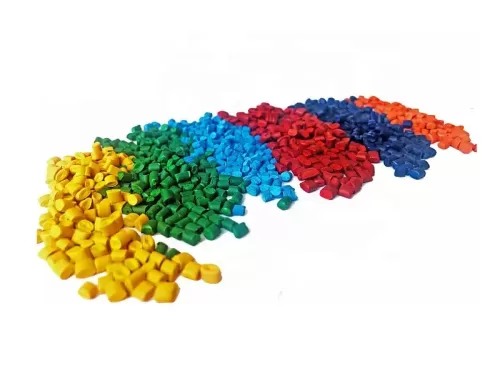
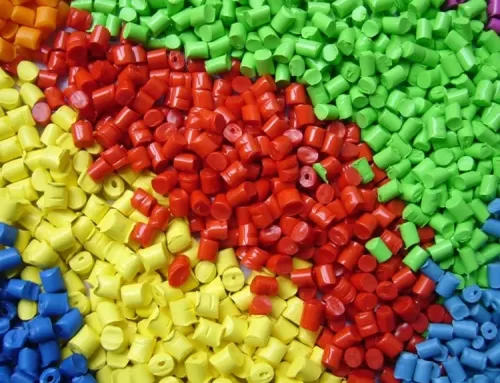
Color Masterbatch: Available in a variety of vibrant colors, these masterbatches are used to produce visually appealing plastic products across various industries.
Classification by Carrier Resin
Polyethylene (PE) Masterbatch: Versatile and widely used in various plastic processing methods, such as injection molding and blow molding.
Polypropylene (PP) Masterbatch: Suitable for applications involving polypropylene, like automotive components and textiles.
Polystyrene (PS) Masterbatch: Commonly used in disposable utensils, packaging, and consumer goods.
Polyvinyl Chloride (PVC) Masterbatch: Ideal for PVC-based products, such as pipes and cables.
Classification by Function
Standard Masterbatch: Provides basic coloration without additional functionalities.
UV Stabilizer Masterbatch: Protects plastics from UV radiation, preventing color fading and material degradation.
Anti-Static Masterbatch: Reduces static electricity buildup, preventing dust attraction and ensuring a static-free surface.
Flame Retardant Masterbatch: Enhances fire resistance by incorporating flame retardant agents.
Anti-Oxidation Masterbatch: Protects against oxidation and degradation caused by oxygen exposure.
Pearlescent Masterbatch: Adds a metallic sheen for aesthetic purposes.
Glow-in-the-Dark Masterbatch: Enables plastic products to glow in the dark after exposure to light.
Classification by User Conditions
Universal Masterbatch: Can be used with various resins but may have limitations in predictability and cost-efficiency.
Special Masterbatch: Tailored to specific resin types, offering high concentration, excellent dispersion, and optimal performance.
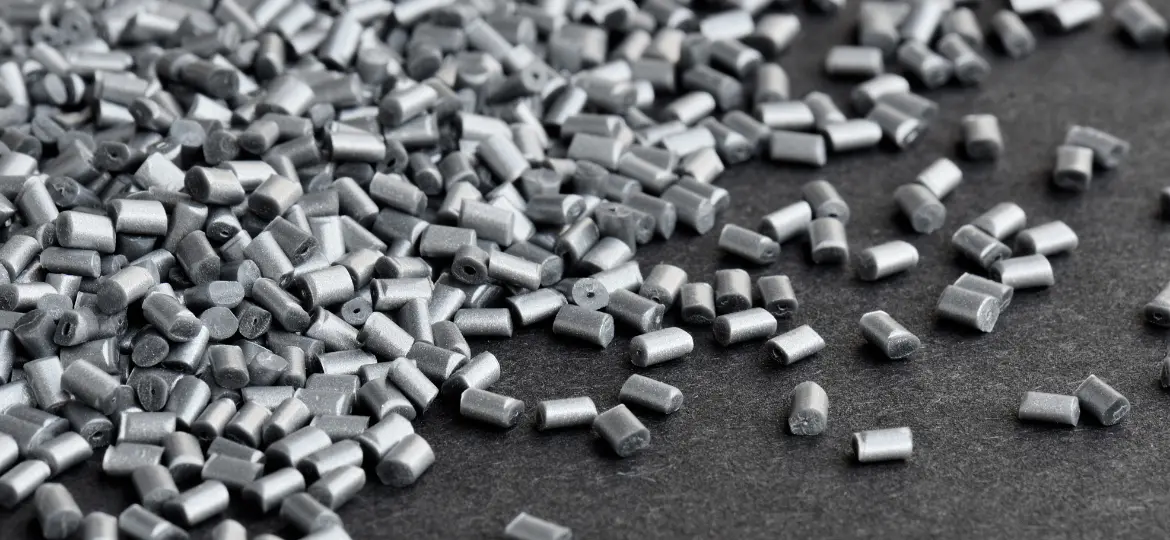
Masterbatch Production Process
The production of masterbatch involves several steps to ensure the even distribution of pigments and additives within the carrier resin:
Mixing: The pigments or dyes, carrier resin, and additives are precisely weighed and thoroughly mixed to achieve a homogeneous blend.
Extrusion: The mixture is fed into an extruder, where it is melted and compounded. The high-energy mixing process ensures that the pigments and additives are evenly dispersed throughout the molten resin.
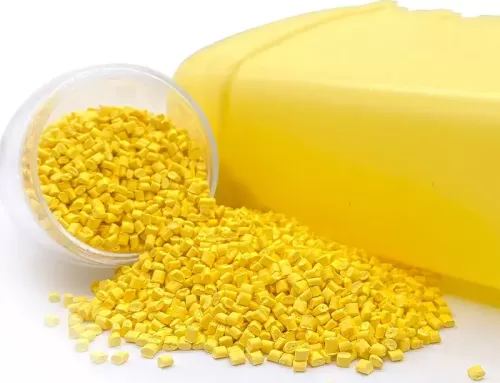
Cooling and Pelletizing: The extruded material is cooled and cut into small pellets, forming the final masterbatch. The pellets are then tested for quality control to ensure they meet the required specifications.
Packaging: The masterbatch pellets are packaged and stored under appropriate conditions to prevent contamination and degradation.
Masterbatch plays a vital role in the plastics industry by providing an efficient and effective way to color and enhance plastic products. Understanding its components, types, and production process is essential for manufacturers and users alike to optimize their applications and achieve the desired results in their plastic products.
 Understanding Masterbatch: Components, Types, and Production Process