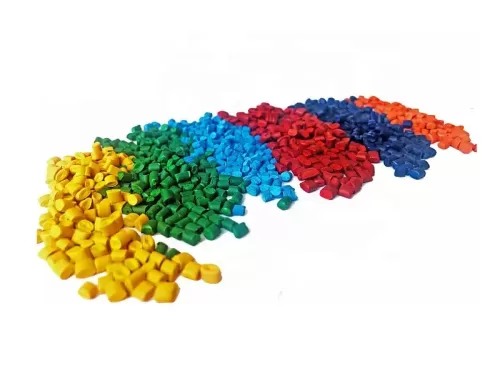
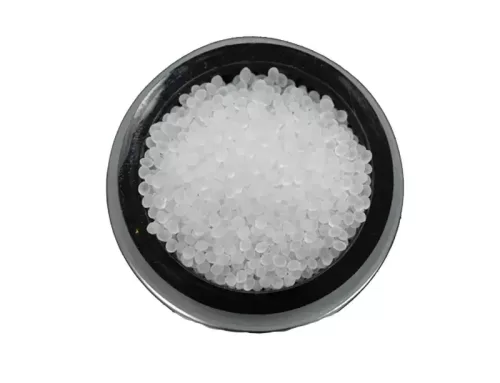
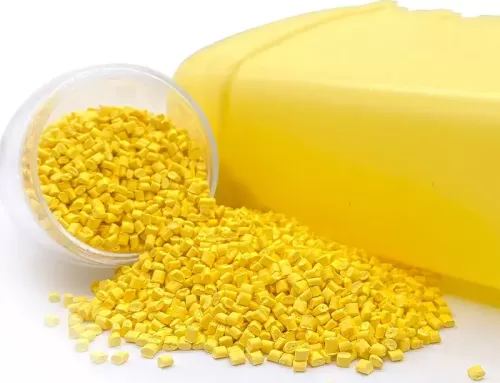
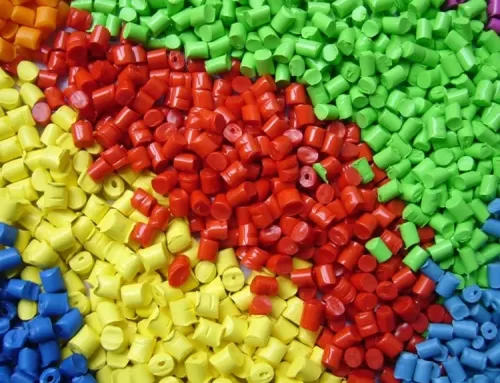
Functional additive masterbatches are critical in the plastic manufacturing industry. They enhance product properties and add unique functional qualities. This article explores the types of functional additives in masterbatches and their benefits.
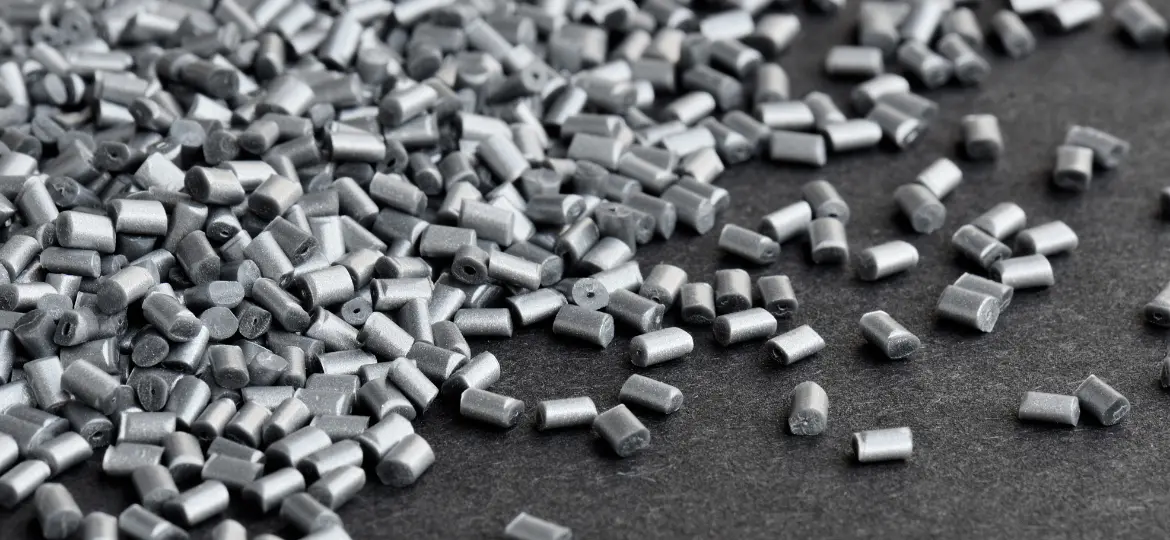
Types of Functional Additives in Masterbatches
These masterbatches contain additives that confer specific properties to plastics. Here are some common types:
- UV Stabilizers: Protect products from sunlight, maintaining color and structure.
- Flame Retardants: Improve safety by reducing flammability in products like electrical enclosures.
- Antimicrobial Agents: Used in food packaging and healthcare, these agents inhibit bacteria and fungi growth, extending product life.
- Antistatic Agents: Reduce static electricity buildup, essential in electronics and packaging.
- Anti-aging Additives: Extend product life by protecting against oxidation and weathering.
- Foaming Agents: Make lighter products with better thermal and acoustic insulation.
- Benefits of Functional Additive Masterbatches

Incorporating functional additives into masterbatches offers multiple advantages:
- Enhanced Performance: Masterbatches improve the durability and functionality of plastics, especially under extreme conditions.
- Cost Efficiency: Precise additive control leads to uniform quality and reduced waste. This also cuts down on handling and storage needs.
- Customization and Flexibility: Manufacturers can tailor plastics to meet specific industry standards and requirements.
- Sustainability: Some masterbatches improve the environmental impact of plastics, aiding recycling and reducing production carbon footprints.
- Innovation and Competitiveness: Advanced masterbatches allow for the creation of innovative, market-leading products.
In conclusion, functional additive masterbatches are vital in enhancing the quality and performance of plastic products. They allow for efficient integration of essential properties, meeting modern manufacturing demands. As industries seek more specialized plastic solutions, the role of these masterbatches remains crucial for innovation and market competitiveness.