Black masterbatch is a cornerstone in the plastics industry, providing essential color and functional properties to a wide range of plastic products. Despite the evolution of new technologies and materials, black masterbatch remains highly popular due to its versatility, cost-effectiveness, and unique properties. This article explores the benefits of black masterbatch, its fundamental characteristics, and recent technological advances that have enhanced its applications.
What is Black Masterbatch?
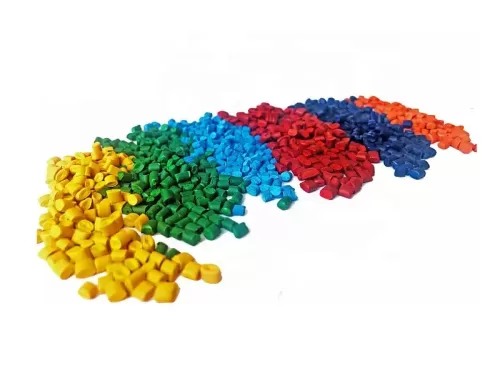
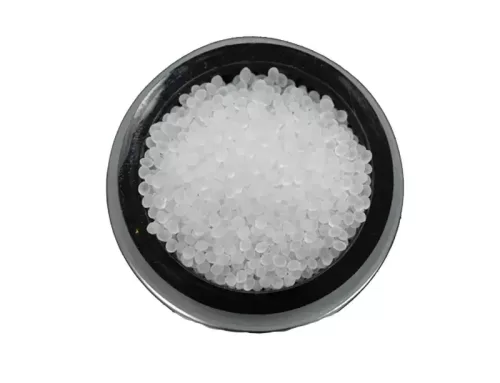
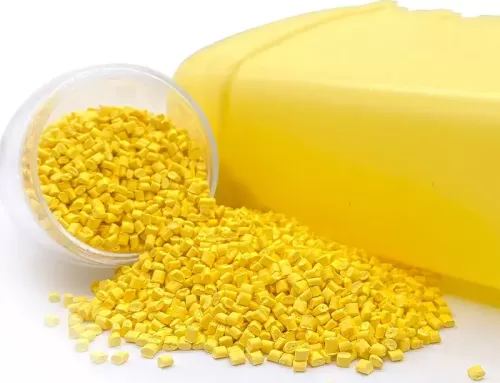
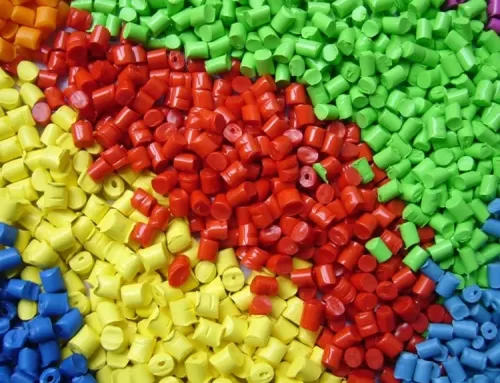
Black masterbatch is a concentrated mixture of carbon black, carrier resin, and various additives used to impart color and enhance the properties of plastic products. It is widely used in the plastics industry to color plastic resins and improve their mechanical, electrical, and UV-resistant properties. The carrier resin ensures that the carbon black and other additives are uniformly dispersed throughout the plastic, resulting in consistent and high-quality color distribution.
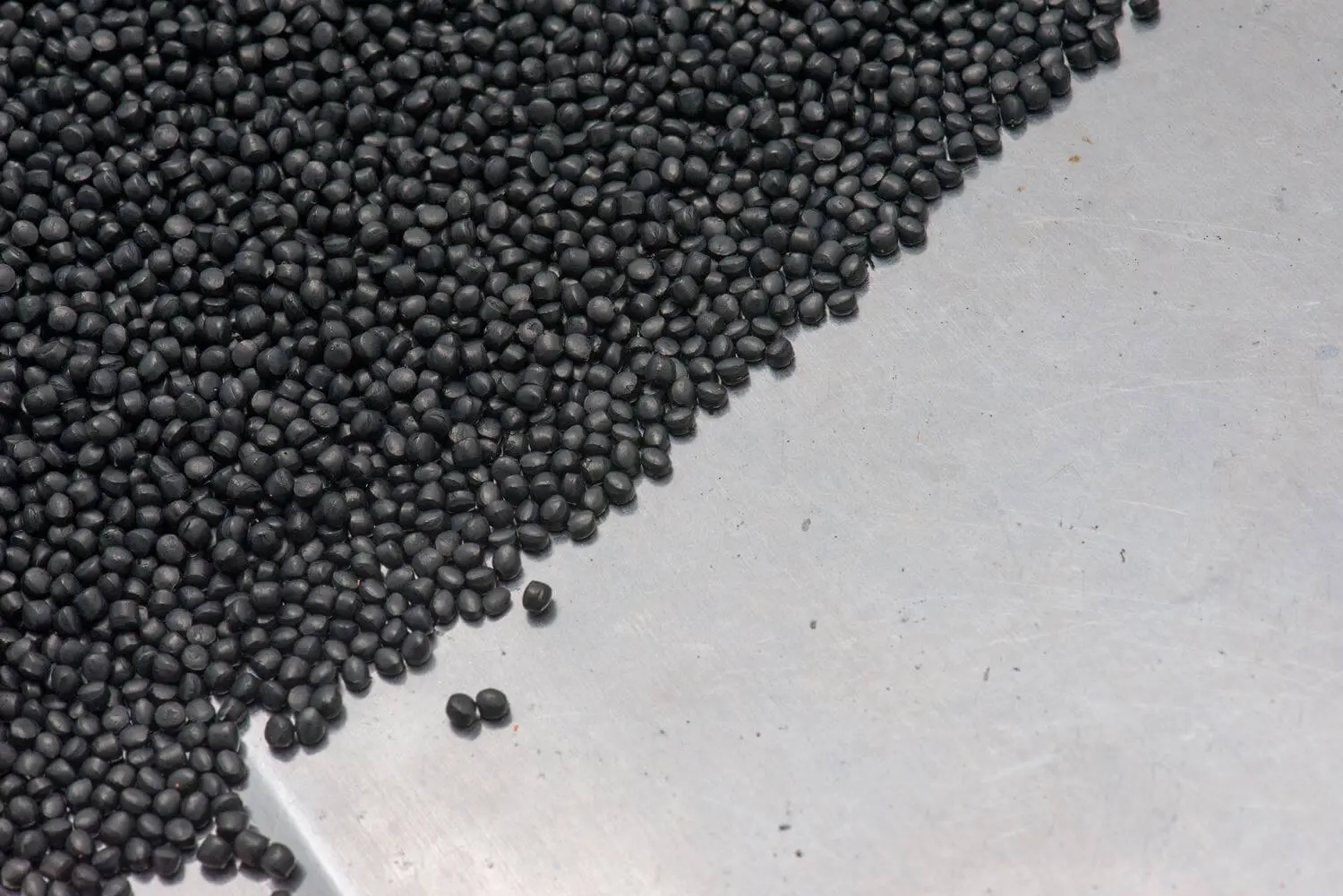
Benefits of Black Masterbatch
1. Versatility
Black masterbatch is incredibly versatile and can be used with various types of resins, including polyethylene (PE), polypropylene (PP), polystyrene (PS), and more. This adaptability makes it suitable for a wide range of applications, from packaging to automotive parts. Its ability to blend seamlessly with different polymers allows manufacturers to produce diverse products without compromising on quality.
2. Cost-Effectiveness
Using black masterbatch is cost-effective compared to other coloring methods. It allows manufacturers to achieve the desired color intensity and consistency with minimal amounts, reducing overall production costs. The high concentration of pigments means that only small quantities of masterbatch are needed to achieve the desired effect, leading to savings in raw material costs.
3. Enhanced Properties
Besides imparting color, black masterbatch improves the mechanical properties of plastic products. It enhances UV resistance, which is crucial for outdoor applications, and improves the material’s strength and durability. These enhancements ensure that products maintain their integrity and appearance even under harsh environmental conditions.
4. Ease of Use
Black masterbatch is easy to handle and process. It can be directly added to the polymer melt during manufacturing, simplifying the production process and reducing the risk of contamination and inconsistencies. This ease of integration into existing manufacturing processes makes it a convenient choice for manufacturers looking to improve product quality without significant changes to their operations.
5. Sustainability
Advances in technology have led to the development of environmentally friendly black masterbatch options. These include formulations with recycled materials and bio-based carriers, aligning with the increasing demand for sustainable solutions in the plastics industry. Such formulations help reduce the environmental footprint of plastic products and support the industry’s shift towards more eco-friendly practices.
Applications of Black Masterbatch
1. Packaging
Black masterbatch is extensively used in the packaging industry for producing films, bags, and containers. Its ability to provide UV protection makes it ideal for packaging products that require a longer shelf life. The aesthetic appeal of black packaging also enhances the perceived quality of the packaged goods.
2. Automotive Industry
In the automotive industry, black masterbatch is used to produce various components such as bumpers, dashboards, and interior trims. Its high dispersion quality ensures a smooth and consistent finish, enhancing the aesthetic appeal of vehicles. Additionally, the durability and UV resistance provided by black masterbatch are essential for automotive parts exposed to sunlight and varying weather conditions.
3. Construction
Black masterbatch is used in the production of construction materials such as pipes, cables, and insulation panels. Its UV-resistant properties ensure that these materials can withstand harsh environmental conditions without degrading. This durability is crucial for construction materials that need to maintain their performance over extended periods.
4. Consumer Goods
From household appliances to electronic devices, black masterbatch is used to manufacture a wide range of consumer goods. Its versatility and cost-effectiveness make it a preferred choice for producing durable and visually appealing products. The consistent color and improved mechanical properties enhance the overall quality and longevity of consumer goods.
5. Agriculture
In agriculture, black masterbatch is used in the production of irrigation pipes, greenhouse films, and mulching films. Its UV resistance and durability are essential for products exposed to sunlight and harsh weather conditions. These properties help extend the life of agricultural products, providing better value and performance.

Technological Advances in Black Masterbatch
The continuous evolution of technology has led to significant improvements in black masterbatch formulations. Modern black masterbatch products offer superior dispersion, higher color strength, and enhanced performance characteristics. Some of the latest advancements include:
1. Nano-Black Masterbatch
Incorporating nanotechnology, nano-black masterbatch provides ultra-fine dispersion of carbon black particles. This results in improved color uniformity and enhanced mechanical properties, making it suitable for high-performance applications. The finer dispersion also reduces the amount of masterbatch needed, further increasing cost-efficiency.
2. Eco-Friendly Formulations
With growing environmental concerns, there is a shift towards eco-friendly black masterbatch options. These formulations use recycled materials and biodegradable carriers, reducing the environmental footprint of plastic products. Such innovations help address the industry’s sustainability challenges while maintaining high performance.
3. High-Performance Additives
Modern black masterbatch products often include high-performance additives that enhance the UV resistance, thermal stability, and mechanical strength of plastics. These additives ensure that the final products meet stringent quality and performance standards. The inclusion of these additives allows manufacturers to produce more durable and reliable plastic products.
Challenges and Future Trends
Despite its popularity, the use of black masterbatch is not without challenges. Issues such as the potential health risks associated with carbon black particles and the environmental impact of plastic waste are significant concerns. However, the industry is actively working towards addressing these challenges through innovation and sustainable practices.
Looking ahead, the future of black masterbatch lies in the development of more sustainable and high-performance products. The increasing focus on recycling and the use of renewable materials will drive the demand for eco-friendly black masterbatch options. Additionally, advancements in nanotechnology and additive manufacturing are expected to further enhance the properties and applications of black masterbatch.
Black masterbatch remains a popular and indispensable component in the plastics industry. Its versatility, cost-effectiveness, and ability to enhance the properties of plastic products make it a preferred choice for manufacturers across various sectors. As technology continues to evolve, black masterbatch will likely see further innovations, ensuring its continued relevance and popularity in the future. Whether you’re in packaging, automotive, construction, or any other industry, black masterbatch offers a reliable solution for achieving high-quality, durable, and visually appealing plastic products.