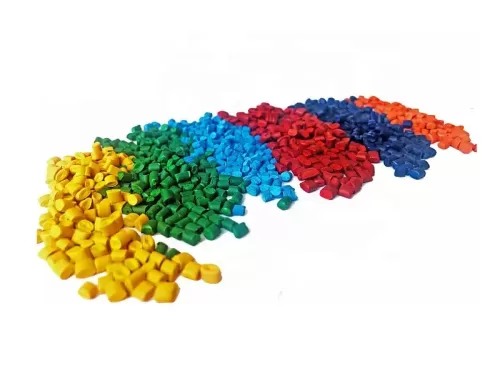
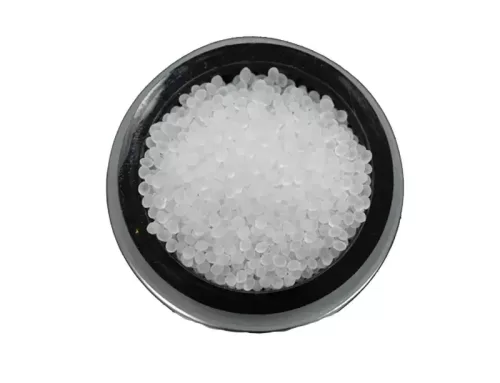
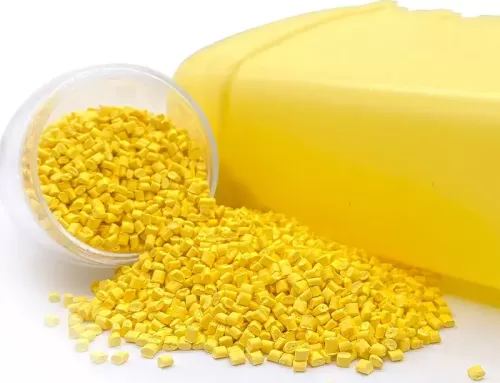
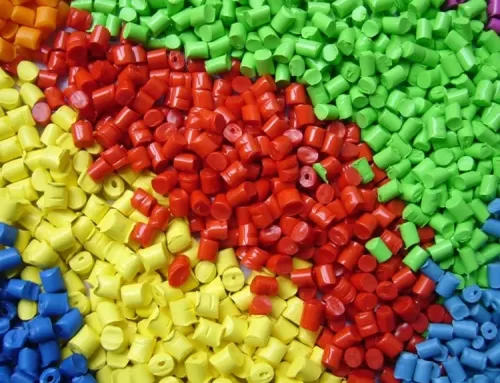
The automotive industry has been undergoing a transformative shift, focusing on weight reduction, fuel efficiency, and design innovation. Among the many materials driving this change, masterbatch stands out as a key component in enhancing the functionality and aesthetics of automotive parts. Masterbatch, a concentrated mixture of pigments or additives encapsulated in a carrier resin, plays a crucial role in the production of automotive components. This article explores the role of masterbatch in the automotive industry and delves into its future potential as the industry continues to evolve.
Masterbatch in Automotive Applications
Masterbatch is widely utilized in the automotive sector to improve the appearance, durability, and performance of plastic components. Here are some key applications where masterbatch has proven indispensable:

Exterior Components
Bumpers and Grilles: These parts require masterbatch for a consistent and durable finish that withstands environmental exposure, including UV radiation and temperature variations.
Side Mirrors and Door Handles: Masterbatch ensures a perfect match to the vehicle’s overall color scheme while providing resistance to scratches and weathering.
Interior Components
Dashboard and Panels: Masterbatch is used to create aesthetically pleasing surfaces that resist fading and damage, maintaining a high-quality appearance over time.
Trims and Decorative Elements: These components are often customized using masterbatch to ensure uniformity and durability while matching the vehicle’s design theme.
Lighting
Masterbatch is instrumental in the production of headlight and taillight housings, as well as interior ambient lighting. It allows manufacturers to create unique color effects and ensure long-lasting performance.
The Benefits of Masterbatch in Automotive Production
Masterbatch offers a wide range of benefits that make it an essential material in automotive manufacturing. These advantages extend beyond aesthetics, significantly impacting durability, functionality, and cost-efficiency.
1. Customization and Brand Identity
One of the most significant advantages of masterbatch is its ability to support color customization. Manufacturers can develop unique and vibrant colors that align with their brand identity, helping their vehicles stand out in a competitive market. Custom shades, such as iconic reds or blues, can become synonymous with a brand, fostering recognition and customer loyalty.
2. Enhanced Surface Finishes
Masterbatch contributes to a smooth, glossy surface finish that enhances the visual appeal of automotive components. This is particularly important for high-visibility parts such as dashboards, trims, and door panels.
3. Improved Durability
Masterbatch formulations often include additives that enhance the durability of plastic components. For example:
UV Protection: Masterbatch with UV stabilizers protects parts from sun damage, preventing fading and material degradation.
Heat Resistance: High-temperature additives ensure that components exposed to extreme heat, such as engine covers or dashboards, maintain their structural and aesthetic integrity.
Scratch and Mar Resistance: Additives can improve the resistance of interior parts to scratches, maintaining a pristine appearance over time.
4. Cost-Efficiency
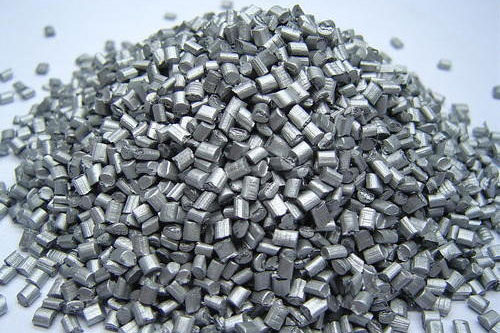
Masterbatch simplifies the production process by allowing pigments and additives to be pre-mixed into a carrier resin, reducing handling costs and ensuring consistent results. This efficiency helps manufacturers minimize waste and reduce overall production costs.
The Future of Masterbatch in Automotive Applications
As the automotive industry advances, the role of masterbatch is set to expand even further. Several trends and innovations point to its increasing importance in shaping the vehicles of the future.
1. Lightweighting and Fuel Efficiency
Plastics are increasingly replacing traditional materials like metal in automotive manufacturing to reduce vehicle weight. Masterbatch plays a pivotal role in this transition by enhancing the properties of lightweight plastic materials, making them suitable for demanding applications such as structural components and body panels.
By contributing to weight reduction, masterbatch indirectly supports improved fuel efficiency and lower carbon emissions—key goals for the automotive industry.
2. Electric Vehicles (EVs)
The rise of electric vehicles has brought new challenges and opportunities for masterbatch applications. EV components, such as battery enclosures and charging connectors, require advanced materials with high durability, thermal resistance, and fire-retardant properties. Masterbatch formulations are being adapted to meet these specialized requirements, enabling the production of safe and efficient EV parts.
3. Sustainability and Circular Economy
Sustainability is becoming a major focus in the automotive sector. As manufacturers seek eco-friendly solutions, masterbatch is evolving to incorporate biodegradable or recycled materials. For example, color masterbatch can now be designed for use with recycled polymers, ensuring that the aesthetic and performance qualities of recycled plastic components match those of virgin materials.
4. Advanced Aesthetic Features
Future vehicles will place even greater emphasis on aesthetics and personalization. Masterbatch technology is expected to deliver more advanced visual effects, such as multi-tone finishes, metallic looks, and pearlescent shades, to cater to consumer demand for unique designs.
5. Smart and Functional Additives
The integration of smart technologies in vehicles opens the door for masterbatch formulations with functional additives. These could include:
Antimicrobial Properties: Ideal for high-touch surfaces like dashboards and door handles.
Conductive or Shielding Properties: For electronic components and sensors in modern cars.
Key Considerations for Using Masterbatch in Automotive Production
To maximize the benefits of masterbatch in automotive applications, certain factors must be carefully considered:
Color Consistency: Uniform dispersion of pigments ensures consistency across all vehicle parts.
Performance Properties: Additives such as UV stabilizers, flame retardants, and heat-resistant agents must be tailored to the specific application.
Regulatory Compliance: Automotive parts must meet strict safety and environmental standards, and masterbatch formulations should align with these requirements.
Masterbatch plays a crucial role in the automotive industry by enhancing the aesthetics, durability, and functionality of plastic components. As the industry continues to evolve, driven by the rise of electric vehicles, sustainability goals, and consumer demands for customization, the potential for masterbatch applications will only grow.
Through innovations in material science and advanced formulations, masterbatch will remain a key enabler of progress in automotive manufacturing, ensuring that vehicles of the future are not only visually striking but also highly efficient, durable, and sustainable.
 The Role of Masterbatch in Automotives and Its Future Potential