Which is the best manufacturer of food grade color masterbatch? Most people who are not engaged in the plastic industry will believe that color masterbatch and filling masterbatch are the same, with only two names that can be used as one thing. Actually, this understanding is far from the actual situation. Because there are significant differences in the effects of these two masterbatches. What are the specific differences? Let’s take a look together now.
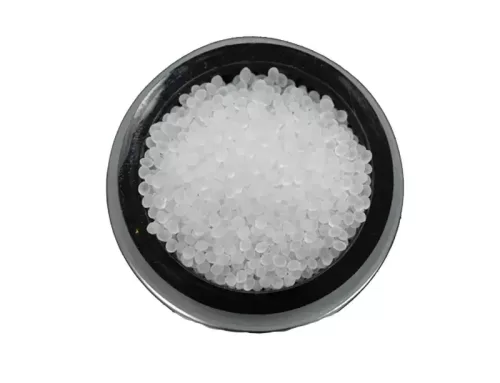
Filling masterbatch refers to the process of plastic processing and molding, in order to facilitate operation, various additives, fillers, and a small amount of carrier resin are first mixed and mixed, and the resulting particles and powders are called masterbatch. Meanwhile, due to its strong adaptability and easy evacuation, it is now suitable for general resins, blow films, wires, pipes, plastics, plastics, wire drawing, etc.
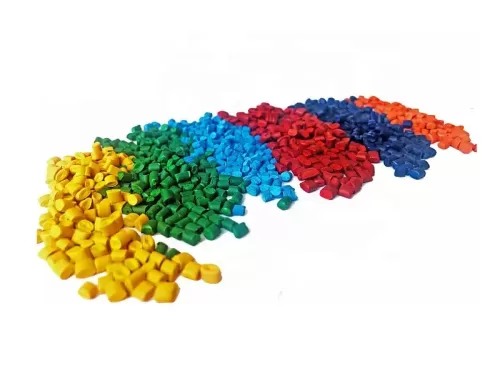
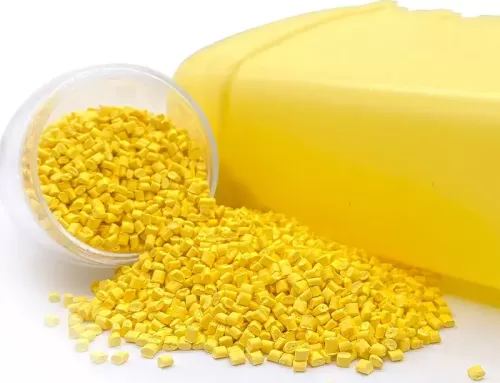
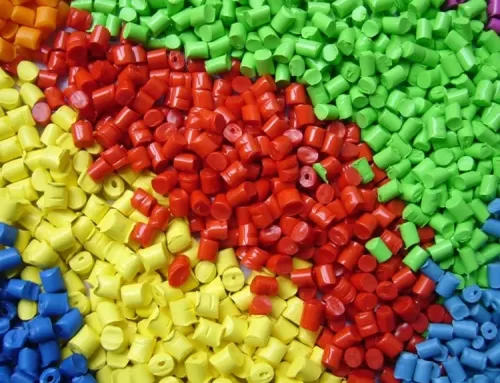
Color masterbatch is an aggregate made by uniformly loading an ultra long amount of pigment or dye into a resin, mainly composed of carrier resin, fillers, and various additives. It has the characteristics of good dispersion plasticization, strong oxygen resistance, aging resistance, and large filling amount, enhancing the hardness, rigidity, compressive wear resistance of the filled product, and reducing the shrinkage and deformation caused by shrinkage of the product. Therefore, it is used for most plastic blowing films, injection molding, pipes, sheets, etc.
From this, it can be seen that although both color masterbatch and filling masterbatch can act on plastic products, their functions are indeed different. Color masterbatch is mainly used for color mixing, while filling masterbatch is used for adding natural color raw materials to the product, with the purpose of reducing costs and reducing molding, which is where their differences lie。