Fluorescent masterbatches are popular for their eye-catching colors and wide range of applications, but care needs to be taken when using them to consider whether they are suitable for food contact. The following is an article on the safety of fluorescent masterbatch in food contact materials:
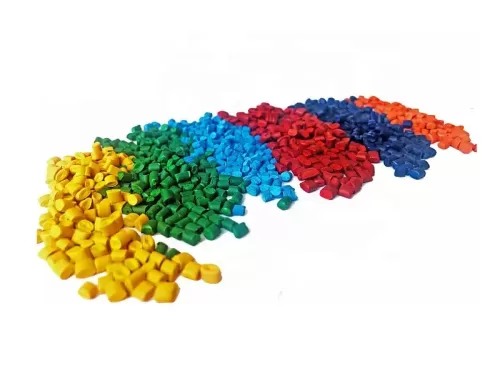
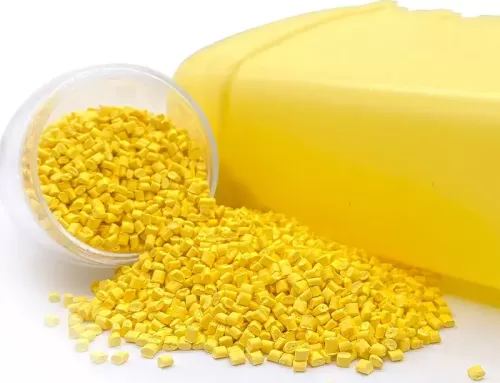
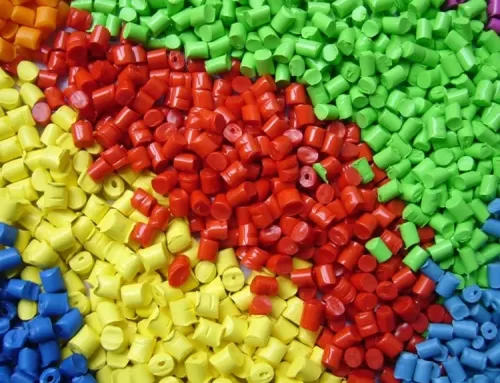
Fluorescent masterbatch is a type of masterbatch commonly used for coloring plastic products. Its bright colors and excellent visual effects make it widely used in various application fields. However, when using fluorescent masterbatches, especially when manufacturing materials and products related to food contact, their safety must be carefully evaluated. This article will explore the potential safety issues of fluorescent masterbatch in food contact materials and provide some suggestions to ensure safe use.
Fluorescent color masterbatch ingredients
Fluorescent masterbatch usually contains the following main components:
Fluorescent Pigments: These are the key ingredients that give fluorescent masterbatches their vibrant colors. Fluorescent pigments are usually made from organic compounds.
Binder: A binder is the material that disperses the pigment and makes it compatible with the plastic carrier. Common base materials include polyethylene (PE), polypropylene (PP), etc.
Dispersants and Stabilizers: These additives help ensure that the pigment is evenly dispersed in the base and improve the stability of the masterbatch.
Safety of fluorescent masterbatch in food contact materials
When using fluorescent masterbatch for the preparation of materials related to food contact, the safety of the material must be given priority. Here are some key considerations:
Pigment composition: The composition of fluorescent pigments is key. Certain fluorescent pigments may contain organic compounds, some of which may be considered potentially harmful to health in some circumstances. Therefore, when selecting food contact materials, care should be taken to select pigments that comply with relevant regulatory standards.
Migration Issues: When manufacturing food contact materials, it is important to evaluate whether pigments will migrate from the material into the food. This may involve migration experiments and compliance with regulatory limits.
Material compliance: Materials using fluorescent masterbatch must comply with relevant regulations and standards, such as the requirements of the US FDA (Food and Drug Administration) or European food contact materials regulations.
Recommendations
To ensure that fluorescent masterbatches are safe to use in applications related to food contact, here are some usage recommendations:
Choose compliant materials: Prioritize plastic materials that comply with food contact materials regulations to ensure they do not pose a risk to food safety.
Conduct safety assessment: Before using fluorescent masterbatch, conduct relevant safety assessment and testing, including analysis of pigment components and possible migration studies.
Limit control: Ensure that pigment migration limits comply with regulatory standards to reduce potential health risks.
Monitoring and testing: Regularly monitor and test food contact materials to ensure they continue to meet safety standards.
Fluorescent masterbatches may be safe for use in food contact materials, but must be treated with caution. Compliance, safety assessment and limit control are key factors to ensure the safe use of fluorescent masterbatch in food contact materials. Producers and manufacturers related to food contact should proactively take measures to ensure that their products meet relevant regulations and standards while ensuring food safety for consumers.