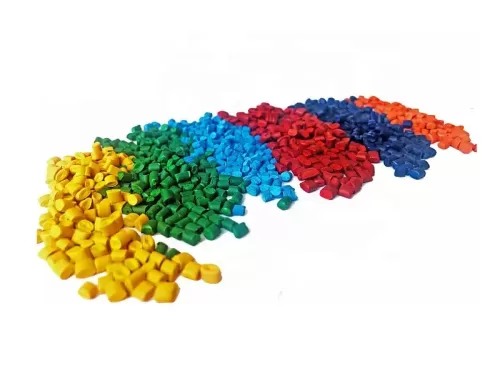
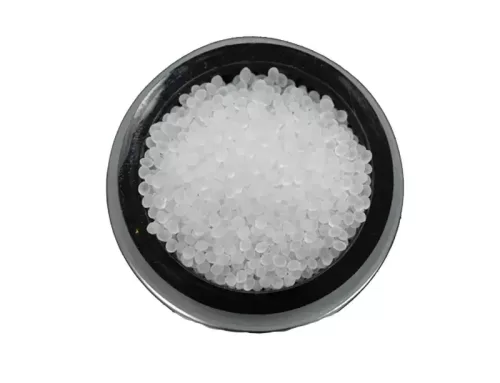
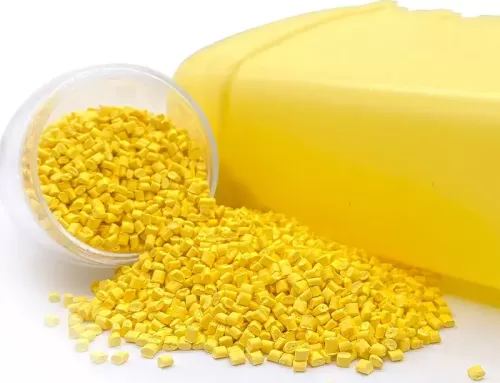
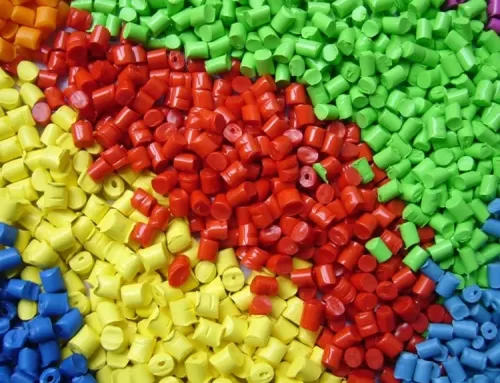
Masterbatches are essential components in the plastic manufacturing industry, playing a critical role in achieving desired coloration, functionality, and performance characteristics in plastic products. This article provides an overview of the principles governing masterbatch manufacturing and their pivotal role in the plastic manufacturing process.
Masterbatch Manufacturing Principles
Raw Material Selection: The manufacturing process begins with the careful selection of raw materials, which typically include pigments, additives, and carrier resins. These components are chosen based on the desired color, functionality, or performance enhancement for the end product.
High-Intensity Mixing: The selected raw materials are mixed together in high-intensity mixing equipment. This step ensures uniform dispersion of pigments and additives within the carrier resin, leading to a consistent and homogeneous masterbatch.
Pelletizing: Once the mixture reaches the desired consistency, it is pelletized to form small, manageable pellets of masterbatch. Pelletizing improves the ease of handling, storage, and transportation of the masterbatch.
Role of Masterbatches in Plastic Manufacturing
Coloration: One of the primary functions of masterbatches is to provide color to plastics. Masterbatches offer a convenient and precise way to color plastics, enabling manufacturers to achieve vibrant and consistent hues in their products.
Functionality Enhancement: Masterbatches can contain various additives, such as UV stabilizers, antioxidants, flame retardants, and antistatic agents. These additives enhance the functionality and performance of plastic materials, making them suitable for specific applications.
Cost Efficiency: Masterbatches allow manufacturers to incorporate additives and colorants in a highly concentrated form. This concentration reduces the need for extensive mixing during plastic production, leading to cost savings in terms of labor, energy, and materials.
Consistency: Masterbatches ensure consistency in the color and performance of plastic products. The uniform dispersion of pigments and additives in the masterbatch leads to consistent end-product quality, crucial for industries such as automotive and consumer goods.
Customization: Manufacturers can tailor masterbatches to meet their specific requirements. Whether it’s achieving a particular shade of color, improving weather resistance, or enhancing flame retardancy, masterbatches can be customized to suit diverse applications.
Masterbatches are a fundamental component of the plastic manufacturing process, offering versatility, consistency, and cost-efficiency in achieving desired coloration and functionality. Understanding the principles behind masterbatch manufacturing and their role in plastic manufacturing helps industries produce high-quality, customized plastic products that meet the diverse needs of consumers across various sectors. As innovations in masterbatch technology continue, they will undoubtedly play an even more critical role in shaping the future of the plastics industry.