In the realm of plastic manufacturing, masterbatch plays a pivotal role in determining the color, functionality, and quality of the final product. This article provides a comprehensive exploration of “Masterbatch Manufacturing,” uncovering the intricate processes, innovations, and significance behind the scenes.
The Core of Masterbatch:
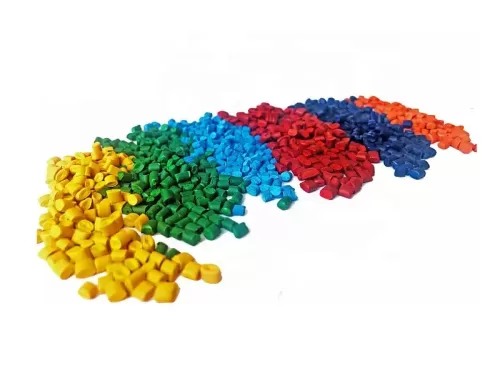
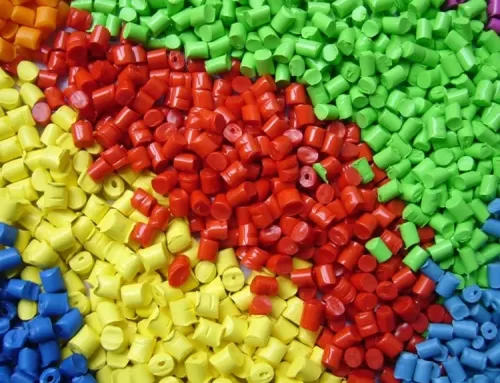
Masterbatch is a concentrated mixture of pigments, additives, and carriers that imparts color or enhances properties to plastic products during the manufacturing process. The manufacturing journey begins with a profound understanding of the desired outcome and the precise formulation required.
Formulation Expertise:
The heart of masterbatch manufacturing lies in the formulation process. Formulators, often skilled chemists and polymer scientists, meticulously design the masterbatch composition. This involves selecting pigments for color, additives for desired functionalities (UV resistance, flame retardancy, etc.), and carriers to disperse these components uniformly within the polymer matrix.
Precision in Mixing:
Once the formulation is perfected, the next step is the mixing process. The chosen ingredients are carefully blended in precise proportions. This step is crucial to ensure homogeneity and consistency in the final product. The use of advanced mixing technologies guarantees that the masterbatch achieves uniform dispersion.
Pelletization Process:
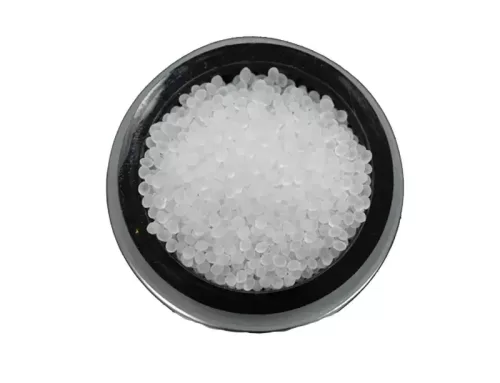
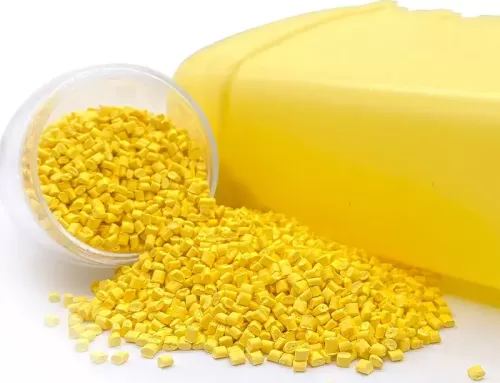
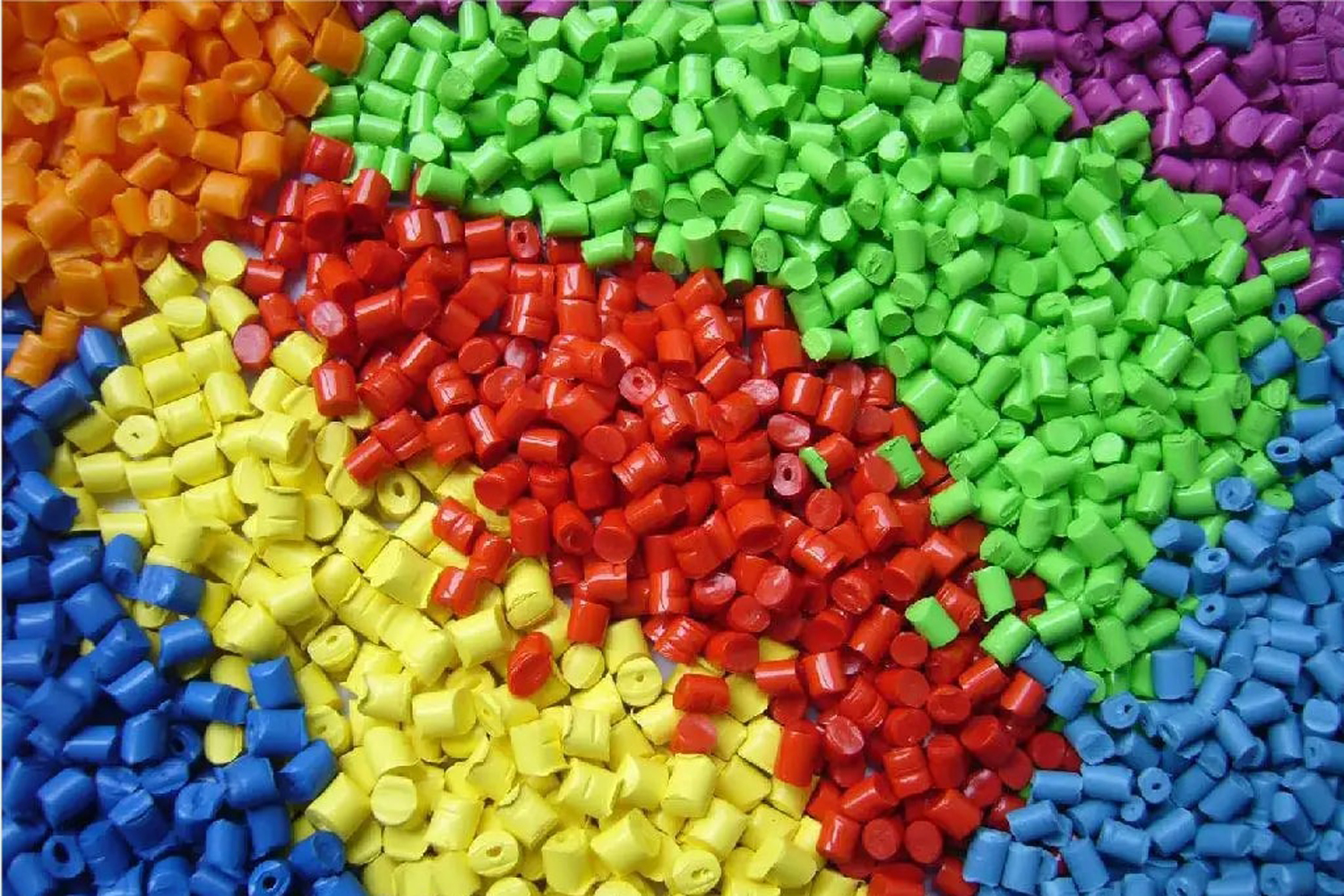
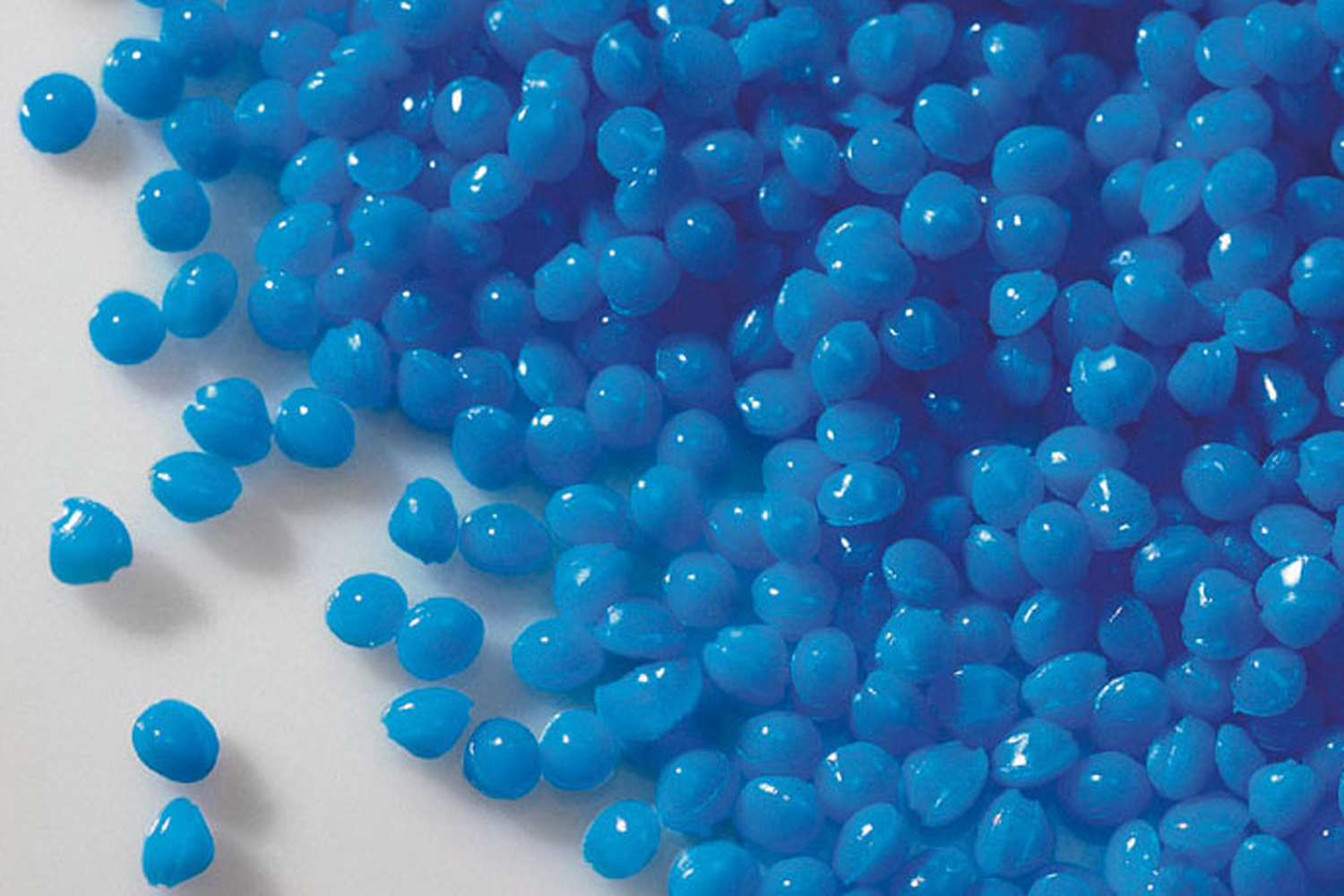
Following mixing, the masterbatch undergoes pelletization. The mixture is transformed into small, cylindrical pellets. This form facilitates easy handling, transportation, and incorporation into various plastic manufacturing processes. Pelletization also enhances the dispersion of the masterbatch in the polymer matrix during final product manufacturing.
Quality Control Measures:
Quality control is paramount in masterbatch manufacturing. Rigorous testing protocols are implemented throughout the process to ensure that the masterbatch meets stringent quality standards. This includes assessing color accuracy, functionality, and compatibility with different polymer resins.
Innovation in Masterbatch Manufacturing:
As technology advances, so does masterbatch manufacturing. Innovations include the development of high-performance additives, smart polymers, and sustainable alternatives. Manufacturers are continually pushing the boundaries to meet evolving industry demands for both performance and eco-friendliness.
Customization for Diverse Industries:
Masterbatch manufacturers cater to a myriad of industries, each with unique requirements. Whether it’s the automotive sector, packaging industry, or healthcare applications, customization is key. Tailoring masterbatches to suit specific industry needs ensures optimal performance and longevity in the end product.

Environmental Considerations:
In response to the global emphasis on sustainability, masterbatch manufacturers are integrating environmentally friendly practices. This includes the use of bio-based carriers, recycled content, and the development of masterbatches compatible with biodegradable polymers.
Challenges and Future Trajectory:
While masterbatch manufacturing has witnessed remarkable advancements, challenges persist. These may include the need for continuous innovation, adapting to regulatory changes, and addressing the increasing demand for sustainable solutions. The future trajectory involves navigating these challenges through ongoing research, technological integration, and industry collaboration.
“Masterbatch Manufacturing” is an amalgamation of science, art, and innovation. It’s about transforming raw materials into vibrant colors and functional enhancements that define the products we encounter daily. As the industry progresses, the narrative of masterbatch manufacturing continues to evolve, painting the future with hues of sustainability, performance, and endless possibilities.
More: