Masterbatch plays a pivotal role in the plastics industry, serving as a cornerstone for both coloring and enhancing the performance of plastic products. Understanding masterbatch and its multifaceted benefits is crucial for industries looking to innovate and improve their products. This article delves into the essence of masterbatch, its properties, and the advantages it offers to various industries.
What is Masterbatch and Its Usage?
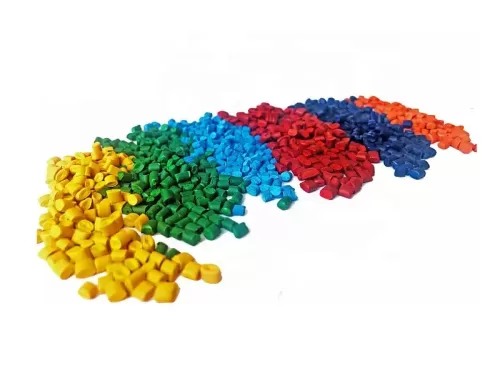
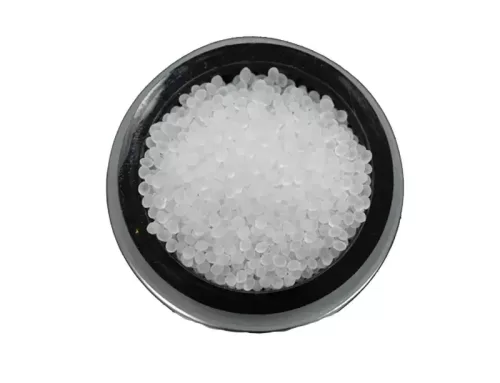
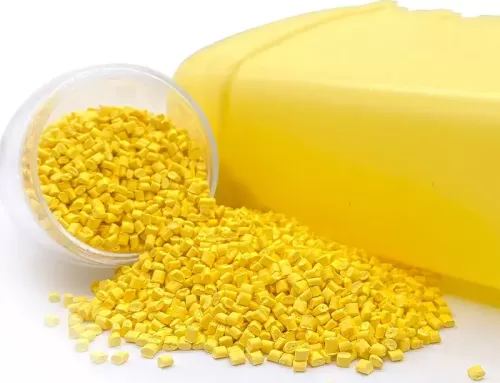
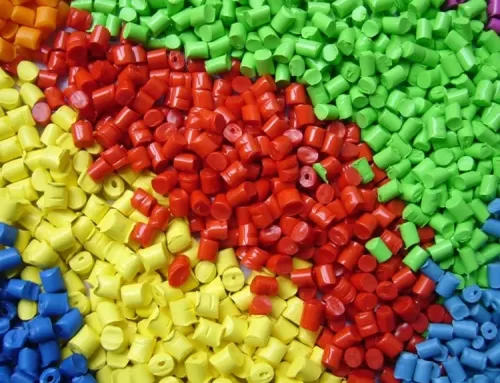
At its core, a masterbatch is a solid or liquid additive for plastic used to color plastics (color masterbatch) or impart other properties to plastics (additive masterbatch). It’s a concentrated mixture that combines pigments or additives with a polymer carrier resin through a heat treatment process. This mixture is then cooled, cut, and formed into granules, making it easier for plastic manufacturers to blend it with raw polymers during the manufacturing process.

Masterbatch is particularly valuable for its efficiency and precision in coloring plastic materials. It allows manufacturers to achieve the desired color or properties in plastics without compromising the material’s integrity. From household items and packaging to automotive components and consumer electronics, masterbatch is instrumental in a wide range of applications.
Properties of Color Masterbatch
Color masterbatches are designed with specific properties to meet the diverse needs of the plastics industry. These properties include:
High Dispersion Quality: Ensures even distribution of color, resulting in consistent shade and intensity across products.
Enhanced Stability: Offers improved thermal and UV stability, protecting the product from fading and degradation.
Versatility: Suitable for various processes, including injection molding, blow molding, and film extrusion.
Customization: Available in a wide range of colors and effects, enabling tailored solutions for specific applications.
Benefits of Masterbatch
Utilizing masterbatch offers numerous advantages, from operational efficiencies to product quality improvements:
Precision in Coloration: Masterbatches provide a high degree of control over the coloration process, ensuring uniformity and consistency in the final product.
Improved Material Properties: Additive masterbatches can enhance the physical and chemical properties of the plastic, such as making it more durable, flexible, or resistant to heat and chemicals.
Cost-Effectiveness: By optimizing the concentration of pigments and additives, masterbatch use results in material savings and reduced production costs.
Environmental and Safety Benefits: Masterbatches reduce the risk of pigment dust and contamination, making the manufacturing process cleaner and safer for operators.
Simplified Manufacturing Process: The pre-mixed nature of masterbatches allows for easy handling and integration into the plastic manufacturing process, streamlining production and reducing downtime.
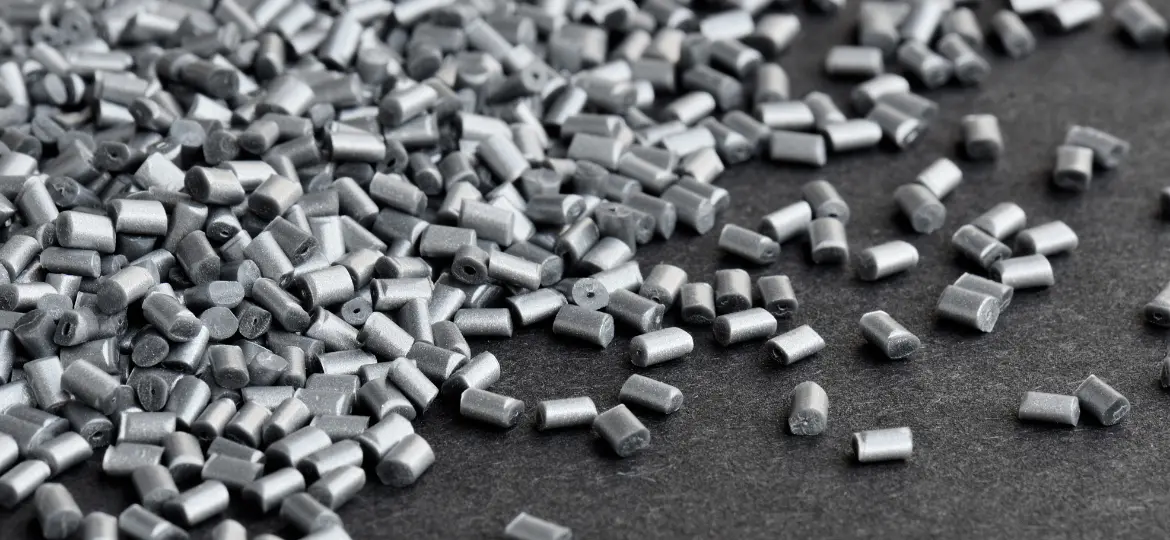
Masterbatch stands as a crucial element in the plastics industry, offering a blend of aesthetic, functional, and operational benefits. By understanding its properties and leveraging its advantages, manufacturers can produce high-quality plastic products that meet the evolving demands of the market. Whether it’s enhancing the visual appeal of a product or improving its resistance to external factors, masterbatch provides a versatile and effective solution.
 Masterbatch Its Role and Advantages in the Plastics Industry