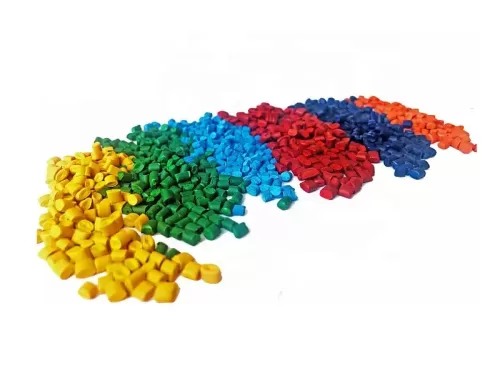
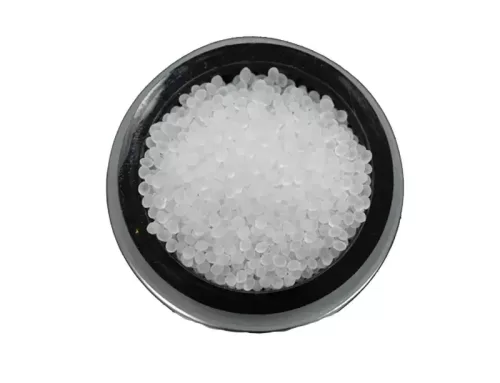
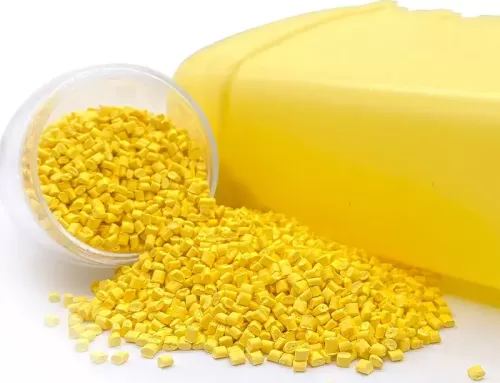
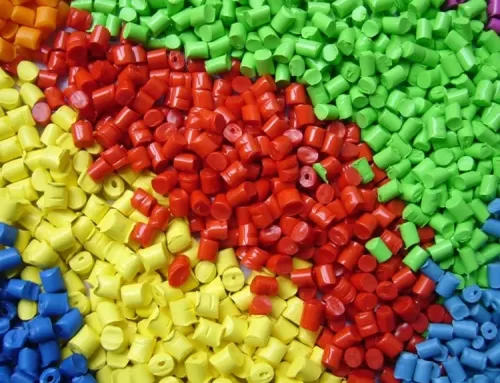
Masterbatch ABS is a type of masterbatch that is designed to be used with acrylonitrile butadiene styrene (ABS) resins. ABS is a thermoplastic polymer that is commonly used in a variety of applications, including automotive parts, toys, electronics, and more. Masterbatch ABS is used to provide color, UV protection, or other functional properties to ABS resins.
There are different types of masterbatch ABS available, including black, white, and colored masterbatch ABS. Black masterbatch ABS is typically used to add black color to ABS resins, while white masterbatch ABS is used to add white color. Colored masterbatch ABS can be used to add a wide range of colors to ABS resins, depending on the specific application requirements.
Masterbatch ABS is typically manufactured by mixing pigments, additives, and carrier resins in a twin-screw extruder. The resulting mixture is then cooled and pelletized to form masterbatch pellets. These pellets are then used to color or modify ABS resins during processing.
Masterbatch ABS offers several advantages over other methods of coloring ABS resins. It allows for precise control of color and other functional properties, reduces inventory costs, and can improve processing efficiency. Additionally, it can help to maintain consistency in color and performance across different batches of finished products.
Overall, masterbatch ABS is a popular choice for coloring and modifying ABS resins in a wide range of applications. As a color masterbatch manufacturer, we can offer a variety of masterbatch ABS products to meet the specific needs of our customers.
Why is ABS color masterbatch particularly prone to color differences?
Different grades of ABS produced in various countries have significant color differences. Even if the same grade of ABS is used, there may be color differences in each batch number. Of course, color differences may also occur after coloring with a color masterbatch. This is due to the characteristics of ABS, and there is no complete solution internationally. However, this color difference is generally not severe.
When using ABS color masterbatch, users must pay attention to this characteristic of ABS.
Common defects of color masterbatch
1. When see under sunlight, there are striped in the product
This issue needs to be considered from two aspects: the physical and mechanical properties of plastics and the plastic forming process:
The temperature of the injection molding equipment is not well controlled, and the color masterbatch cannot be fully mixed with the resin after entering the mixing chamber.
The injection molding machine did not apply a certain amount of back pressure, and the mixing effect of the screw was not good.
1.2 Poor dispersion of color masterbatch or poor resin plasticization.
In terms of technology, the following adjustments can be made: 1. Increase the temperature of the mixing chamber near the discharge port slightly; 2. Apply a certain amount of back pressure to the injection molding machine.
If the above debugging still does not work well, it may be due to the dispersion or matching problem of the color masterbatch and resin, and the color masterbatch manufacturer should be contacted for resolution.
2. After using a certain color masterbatch, the product appears more prone to cracking
This may be due to poor diffusion and miscibility caused by the poor quality of dispersants or additives used by the manufacturer, which affects the physical and mechanical properties of the product.