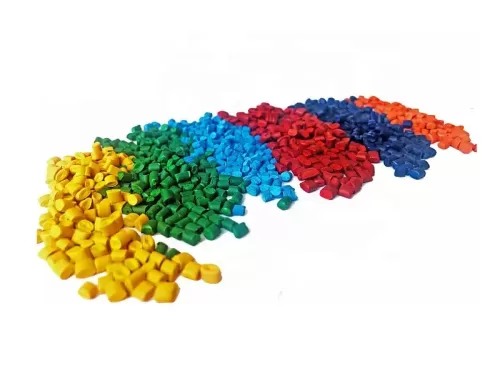
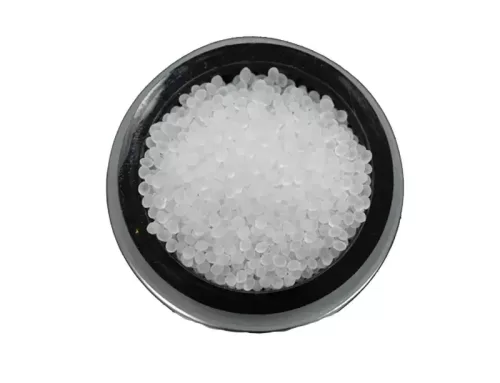
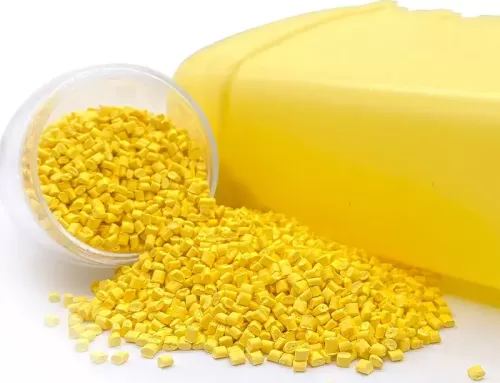
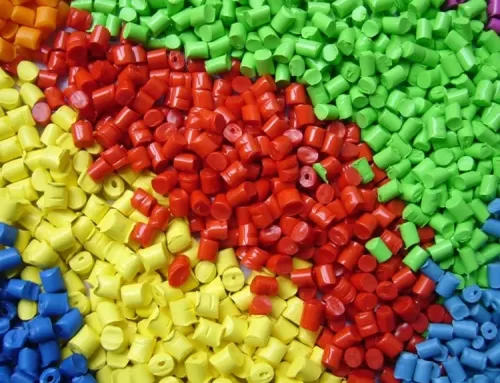
Color masterbatches play a vital role in the plastics industry, providing a cost-effective and efficient way to add color to plastic products. One of the essential components of color masterbatches is the carrier, which serves as the base material that holds and disperses the colorants uniformly throughout the plastic matrix. This article provides an in-depth overview of carriers used in color masterbatches, highlighting their significance in achieving optimal color dispersion and enhancing the overall quality of plastic products.
Role of Carriers in Color Masterbatches:
Carriers in color masterbatches serve as the backbone, carrying and distributing colorants throughout the polymer matrix. They act as a dispersion medium, ensuring that the colorants are uniformly blended with the polymer, leading to consistent coloration of the final plastic product. Moreover, carriers provide compatibility with the target polymer, enabling easy processing and ensuring stable performance.
Types of Carriers:
There are several types of carriers used in color masterbatches, each chosen based on the desired application and the compatibility with the target polymer:
a. Polyethylene (PE) Carriers: PE carriers are widely used due to their versatility and compatibility with a range of polymers, including polyethylene, polypropylene, and more. They are suitable for various processing methods, such as extrusion, injection molding, and blow molding.
b. Polypropylene (PP) Carriers: PP carriers offer excellent thermal stability and are commonly utilized in applications requiring high-temperature processing, such as automotive and electronics industries.
c. Polyvinyl Chloride (PVC) Carriers: PVC carriers are specifically designed for PVC-based products, ensuring effective dispersion and color retention in PVC applications.
d. Ethylene Vinyl Acetate (EVA) Carriers: EVA carriers are employed in color masterbatches for soft and flexible applications, providing good processability and compatibility with EVA resins.
Selection of Carriers:
Selecting the appropriate carrier is crucial to achieving optimal color dispersion and overall performance. Factors considered during carrier selection include:
a. Polymer Compatibility: The carrier should be compatible with the base polymer to ensure uniform dispersion and prevent any adverse effects on the physical properties of the final product.
b. Processing Method: The carrier’s processing characteristics should align with the intended manufacturing process, ensuring ease of use and minimal processing challenges.
c. Thermal Stability: In applications requiring high-temperature processing, carriers with excellent thermal stability are preferred to prevent color degradation.
Advantages of Quality Carriers:
Using high-quality carriers in color masterbatches offers several advantages:
a. Enhanced Color Dispersion: Quality carriers facilitate even distribution of colorants, resulting in consistent and vibrant coloration of plastic products.
b. Improved Processability: Well-chosen carriers ensure smooth processing, reducing production downtime and improving efficiency.
c. Long-Term Stability: Quality carriers contribute to the long-term color stability of the plastic product, preventing color fading or shifting over time.
Carriers play a pivotal role in color masterbatches, acting as the foundation for achieving optimal color dispersion and overall product quality. Selecting the appropriate carrier based on polymer compatibility, processing requirements, and thermal stability is essential for successful color masterbatch formulations. As a color masterbatch manufacturer, understanding the significance of carriers and their role in achieving consistent and vibrant coloration will empower us to deliver superior solutions to meet the diverse needs of our customers in the plastics industry.