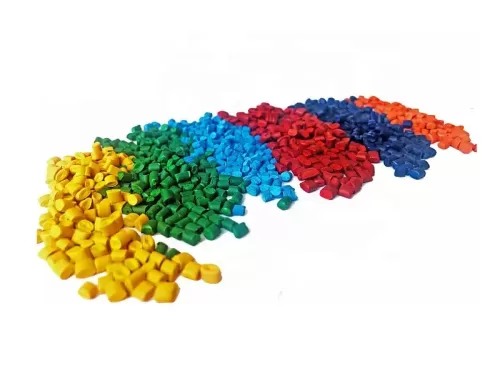
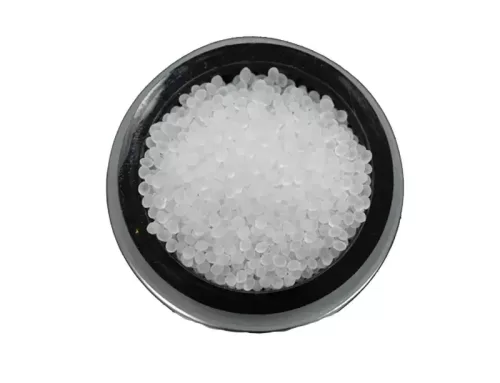
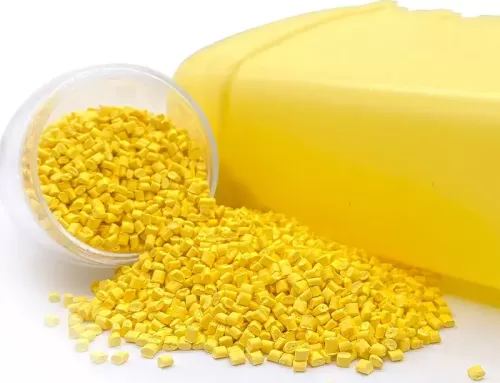
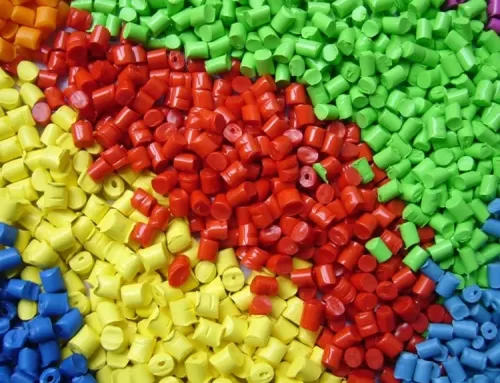
Infrared-resistant masterbatch stands at the forefront of innovations in plastic manufacturing by providing a robust defense against the damaging effects of infrared (IR) radiation. This article explores the unique attributes, applications, and benefits of infrared-resistant masterbatch, demonstrating its potential to enhance the durability and performance of plastic products in challenging environments.
Infrared-Resistant Masterbatch: Fortifying Plastics Against Heat and Radiation
Understanding Infrared-Resistant Masterbatch:
Definition:
Infrared-resistant masterbatch is formulated with specialized additives that protect plastic materials from the harmful effects of infrared radiation, including heat and UV exposure.
Mechanism:
These additives act as a barrier, reflecting, scattering, or absorbing IR radiation to prevent excessive heat buildup and surface degradation.
Applications Across Industries:
Building and Construction:
Infrared-resistant plastics find applications in roofing materials, siding, and insulation, safeguarding structures from temperature-induced damage.
Automotive:
Interior and exterior components benefit from IR resistance, as it prevents fading, warping, and deterioration caused by prolonged sun exposure.
Aerospace:
IR-resistant materials are vital for aircraft components to maintain structural integrity and aesthetics despite extreme temperature variations.
Agriculture:
Greenhouse films and agricultural equipment incorporate IR-resistant masterbatch to create optimal growing conditions and prolong product lifespan.
Advantages and Benefits:
Heat Mitigation:
Infrared-resistant masterbatch helps regulate temperature, preventing overheating and thermal stress in plastic products.
UV Protection:
UV-blocking properties protect against UV-induced surface degradation, preserving the appearance and structural integrity of plastics.
Longevity:
Products fortified with IR-resistant additives exhibit prolonged service life, reducing the need for replacements and maintenance.
Aesthetic Preservation:
IR resistance maintains the original color and appearance of plastics, ensuring they remain visually appealing over time.
Incorporating Infrared-Resistant Masterbatch:
Material Compatibility:
Selecting a base resin compatible with the masterbatch is crucial to achieve optimal dispersion and effectiveness.
Dosage Optimization:
Precise control over the masterbatch dosage ensures that the desired level of IR resistance is achieved.
Quality Assurance:
Rigorous testing and quality control measures are essential to verify the effectiveness of the IR-resistant properties.
Infrared-resistant masterbatch represents a significant leap forward in enhancing the resilience and durability of plastics in the face of challenging environmental conditions. Its ability to deflect IR radiation and mitigate heat buildup makes it indispensable in industries such as construction, automotive, aerospace, and agriculture. By harnessing the unique capabilities of infrared-resistant masterbatch, manufacturers can ensure that their plastic products withstand the test of time, maintain their aesthetics, and perform optimally in harsh environments.