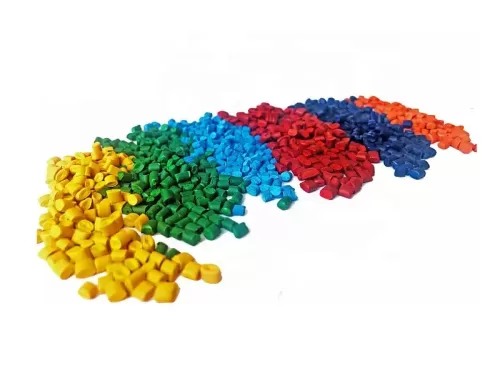
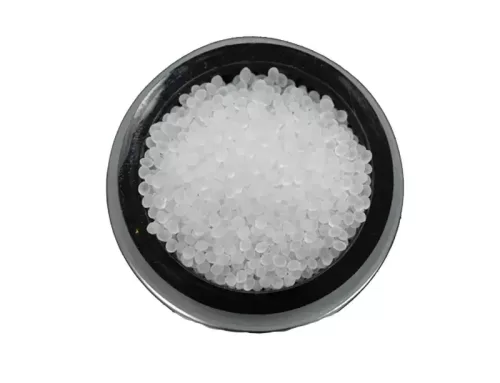
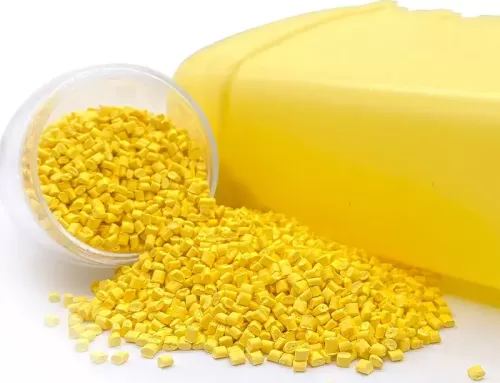
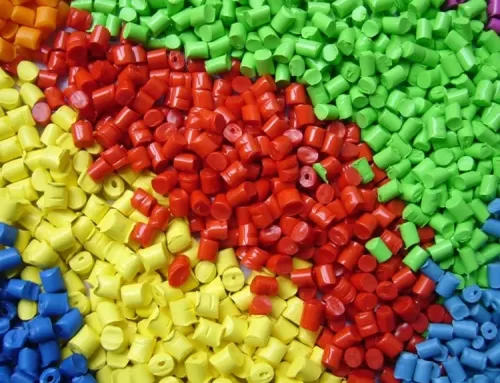
Sustainable plastic production has become a global imperative, and masterbatches play a pivotal role in achieving this goal. These concentrated additives, comprising pigments, additives, or dyes in a carrier resin, contribute significantly to sustainable practices in the plastic industry. This article delves into the ways masterbatches facilitate sustainable plastic production and their impact on environmental conservation.
1. Enhanced Material Efficiency
Masterbatches allow for precise coloration and functional enhancements in plastics, ensuring that raw materials are used efficiently. By providing concentrated and uniform dispersion, masterbatches reduce waste and enable manufacturers to optimize their material usage, thus minimizing environmental impact.
2. Recycling and Circular Economy
Masterbatches enhance the recyclability of plastics. Compatible masterbatches can be incorporated into recycled materials, maintaining or even improving the quality of the end product. This encourages the use of recycled plastics, promoting a circular economy where plastic products are reused and repurposed, reducing the demand for virgin plastic and minimizing landfill waste.
3. Energy Efficiency in Production
Masterbatches are designed to melt and disperse uniformly at lower temperatures, leading to energy savings during the plastic processing stage. By reducing processing temperatures, less energy is required for manufacturing, resulting in lower greenhouse gas emissions and reduced energy consumption, contributing to a greener production process.
4. Functional Additives for Sustainability
Certain masterbatches incorporate functional additives such as biodegradable compounds and antimicrobial agents. Biodegradable masterbatches ensure that plastic products break down naturally, reducing long-term environmental impact. Antimicrobial masterbatches can be crucial in applications like food packaging, extending the shelf life of products and minimizing food waste.
5. Compliance and Regulations
Masterbatches can be formulated to comply with various environmental regulations and standards. By ensuring that the masterbatch components meet eco-friendly criteria, manufacturers can produce sustainable plastic products that adhere to international environmental regulations, fostering a responsible approach to production.
Masterbatches are at the forefront of sustainable plastic production, enabling manufacturers to create high-quality products while minimizing their environmental footprint. Through efficient material usage, encouraging recycling, promoting energy efficiency, and incorporating functional additives, masterbatches are shaping a more sustainable future for the plastic industry. As technology and innovation progress, the role of masterbatches in sustainable plastic production is set to become even more significant, driving the industry towards a greener, more eco-conscious future.