What is masterbatch
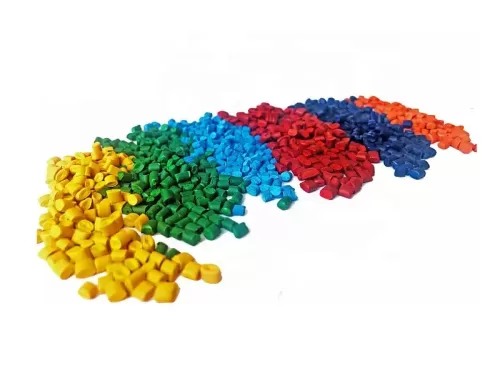
Masterbatch is a solid or liquid additive used in the plastics industry to impart color, functional properties or other desirable effects to the plastic product during manufacturing. It consists of a concentrated mixture of pigments, additives, and carriers that are designed to be mixed with raw polymer materials to produce a specific color or effect. The use of masterbatch allows for consistent color and properties throughout the product, and can be customized to meet specific performance requirements.
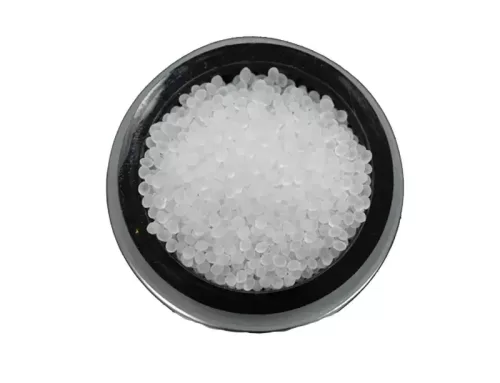
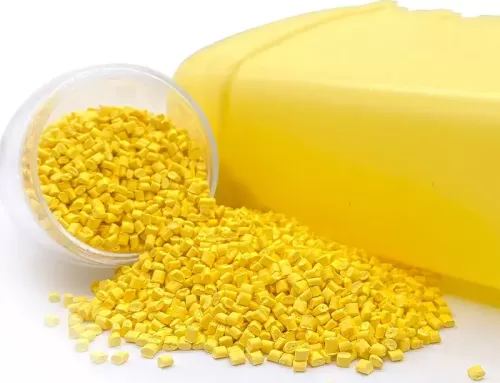
There are several types of masterbatch, including color masterbatch, white masterbatch, black masterbatch, additive masterbatch (such as UV stabilizers, antistatic agents, flame retardants), filler masterbatch (such as CaCO3 and talc), and special effect masterbatch (such as pearlescent and metallic effects).
How does the color master batch change the color of the product
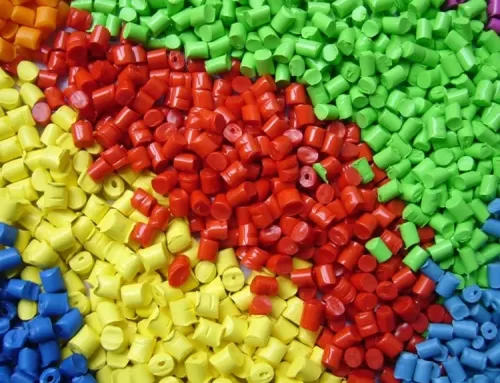
Color masterbatch is added to the base plastic material during the manufacturing process to achieve the desired color of the final product. The color masterbatch contains concentrated pigments or dyes that are evenly dispersed in a carrier resin. When added to the base plastic material, the color masterbatch evenly disperses the pigment or dye throughout the plastic, resulting in a consistent and uniform color. The amount of color masterbatch used will determine the intensity of the color in the final product. Different colors can also be achieved by blending different color masterbatches.
what is masterbatch application
Masterbatch is widely used in various industries such as plastic manufacturing, textile, packaging, and construction industries. Some common applications of masterbatch include:
- Coloring: Masterbatch is used to add color to plastics, fibers, and other materials.
- UV Stabilization: Masterbatch is used to protect materials from the harmful effects of UV radiation.
- Flame Retardation: Masterbatch is used to make materials flame resistant.
- Antistatic Properties: Masterbatch is used to reduce static electricity in plastics.
- Additive Incorporation: Masterbatch is used to incorporate various additives such as fillers, lubricants, and processing aids into plastics.
- Functional Properties: Masterbatch is used to add various functional properties such as anti-aging, anti-slip, and anti-blocking properties to plastics.
- Special Effects: Masterbatch is used to create special effects such as pearlescent, metallic, and fluorescent effects in plastics.
How to purchase good quality masterbatch
To purchase good quality masterbatch, here are some factors to consider:
- Manufacturer’s reputation: Research the reputation of the manufacturer you are interested in.
- Quality control: The manufacturer should have a rigorous quality control process to ensure that the masterbatch produced meets the required standards.
- Certification: Ensure that the manufacturer has the necessary certifications for producing masterbatch. For example, ISO certification is an indication that the manufacturer has met certain quality standards.
- Technical support: The manufacturer should have a team of experts who can provide technical support on the use and application of the masterbatch.
- Price: While price is a consideration, it should not be the only factor. Look for a balance between quality and affordability.
- Customization: If you require customized masterbatch, choose a manufacturer who can provide this service.
Proper storage of masterbatch is important to maintain its quality and performance. Here are some general guidelines on how to store masterbatch:
- Store in a cool, dry place: Masterbatch should be stored in a cool, dry place, away from direct sunlight and heat sources. Exposure to high temperatures and humidity can cause the masterbatch to clump or lose its effectiveness.
- Keep away from moisture: Exposure to moisture can cause masterbatch to clump or degrade. It is recommended to keep masterbatch in airtight containers or bags to prevent moisture from entering.
- Avoid contamination: Keep masterbatch away from other chemicals, especially those with different properties, to avoid contamination that could affect its performance.
- Use FIFO method: When storing multiple batches, use the first-in, first-out (FIFO) method to ensure that older batches are used first.
- Follow manufacturer’s instructions: Always follow the manufacturer’s instructions for storage and handling of the specific masterbatch product.