Types of master batch
There are several types of masterbatch available, including:
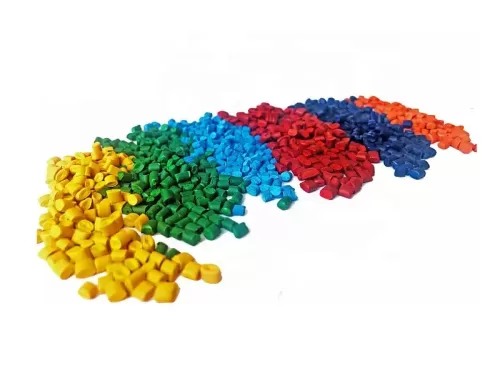
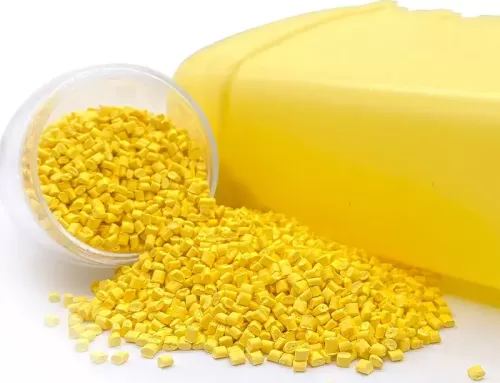
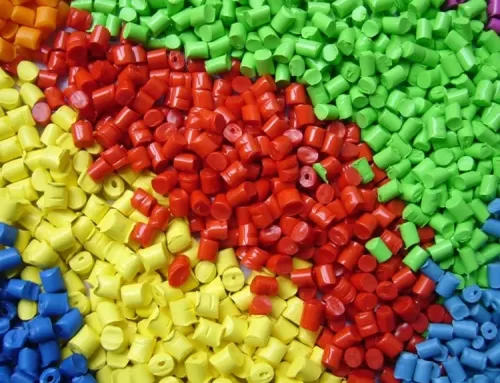
- 1.Color masterbatch: This type of masterbatch is used to add color to plastic materials. It contains high concentrations of pigments and dyes that provide a uniform and consistent color to the plastic product.
- 2.Additive masterbatch: Additive masterbatch is used to modify the properties of plastic materials. It contains high concentrations of additives such as UV stabilizers, flame retardants, anti-static agents, slip agents, and antioxidants that provide functional properties to the plastic product.
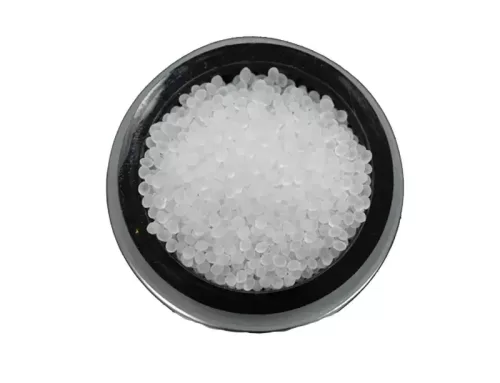
- 3.White masterbatch: White masterbatch is used to lighten the color of plastic materials. It contains titanium dioxide or other white pigments that provide opacity and brightness to the plastic product.
- 4.Black masterbatch: Black masterbatch is used to provide black color to plastic materials. It contains carbon black or other black pigments that provide a uniform and consistent black color to the plastic product.
- 5.Special effect masterbatch: This type of masterbatch is used to create special effects such as metallic, pearlescent, fluorescent, and phosphorescent colors. It contains pigments and additives that provide unique visual effects to the plastic product.
- 6.Functional masterbatch: Functional masterbatch is used to provide specific properties to plastic materials such as electrical conductivity, antimicrobial properties, and biodegradability. It contains additives that provide specific functional properties to the plastic product.
Overall, the choice of masterbatch depends on the specific application requirements and the desired properties of the plastic product. Manufacturers can choose the appropriate type of masterbatch to achieve the desired color and functional properties in the plastic product.
What is white masterbatch
White masterbatch is a type of masterbatch used to lighten the color of plastic materials, providing them with an opaque and bright white color. It is a blend of high-quality pigments, such as titanium dioxide, dispersed into a carrier resin. The carrier resin can be selected based on the application requirements, such as polyethylene, polypropylene, or polystyrene.
White masterbatch is commonly used in the plastics industry to provide a white color to plastic products, such as bottles, films, and packaging materials. It can also be used in the production of other products such as automotive parts, household appliances, and medical devices.
The benefits of using white masterbatch include:
- 1.Opacity: White masterbatch provides excellent opacity, making it suitable for applications where the color of the underlying material needs to be completely masked.
- 2.Brightness: White masterbatch provides a bright, uniform color that is visually appealing and provides a professional appearance.
- 3.Cost-effectiveness: Using white masterbatch to color plastic products can be more cost-effective than using pre-colored materials or dyeing the plastic during production.
- 4.Improved processability: Using white masterbatch can improve the processability of the plastic during manufacturing, resulting in fewer production defects and improved production efficiency.
Overall, white masterbatch is a popular choice in the plastics industry due to its opacity, brightness, cost-effectiveness, and improved processability. It is widely used in various industries, and manufacturers can choose the appropriate type of white masterbatch based on their specific application requirements.