Flame retardants are materials designed to slow or prevent fire ignition and spread in various products, especially plastics. Many industries, such as construction, electronics, automotive, and textiles, prioritize fire safety. To improve the flame resistance of plastic materials, manufacturers often turn to flame retardant masterbatch compounds.
This article explains flame retardants, the working process of flame retardant masterbatch, and the key benefits of using these compounds across different industries.
What is a Flame Retardant?
Flame retardants are chemical additives that manufacturers add to materials like plastics, textiles, and construction components to reduce their flammability. When exposed to high heat or an open flame, most materials without flame retardants can catch fire and spread it rapidly. In contrast, flame retardants help slow down or prevent the ignition process.
Flame retardants disrupt the combustion cycle in plastic products. They stop plastics from igniting, slow down fire spread, or reduce the release of flammable gases. These additives can also reduce smoke production and minimize the release of toxic fumes.
How Does Flame Retardant Masterbatch Work?
Manufacturers use flame retardant masterbatch to improve the fire resistance of polymers during production. This concentrated mixture of flame retardant additives blends into polymers and evenly distributes throughout the material, enhancing its overall fire resistance.
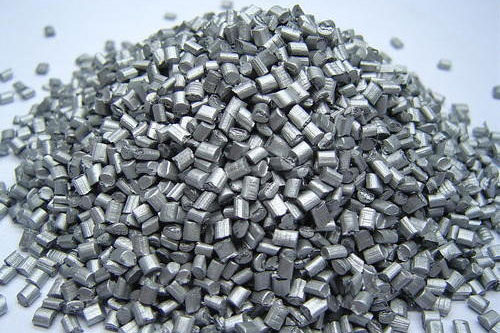
Flame retardant masterbatch works through the following processes:
Endothermic Decomposition: When exposed to fire, the flame retardant masterbatch undergoes an endothermic (heat-absorbing) reaction. This process cools down the material by lowering its temperature below the ignition point, which prevents further combustion.
Fire Inhibition: The flame retardant additives can stop or reduce chemical reactions that lead to fire. These compounds disrupt the combustion chain reaction by interacting with free radicals, effectively halting fire propagation.
Formation of a Protective Char Layer: Some flame retardant chemicals form a charred barrier on the material’s surface when exposed to heat. This protective layer insulates the underlying material, shielding it from heat and oxygen, which are essential for sustaining a fire.
The effectiveness of flame retardant masterbatch depends on the type of flame retardant used, the material composition, and the specific application. These compounds can be customized to meet fire safety requirements in various industries.
Types of Flame Retardant Masterbatch Compounds
Halogenated Flame Retardants: Halogenated flame retardants contain elements like chlorine or bromine. When these additives burn, they release gas that dilutes available oxygen, preventing the fire from sustaining itself. Although halogenated flame retardants are highly effective, environmental and health concerns have prompted many industries to seek alternatives.
Non-Halogenated (Zero Halogen) Flame Retardants: Zero-halogen flame retardants do not contain harmful chemicals like chlorine or bromine. Instead, these additives rely on other mechanisms such as creating char layers or using intumescent coatings to suppress fires. Due to their eco-friendliness and lower health risks, industries are increasingly adopting non-halogenated flame retardants.
Key Benefits of Flame Retardant Masterbatch
Using flame retardant masterbatch in plastic products offers several critical advantages in both safety and performance:
Enhanced Fire Safety: Flame retardant masterbatch significantly improves fire safety. These additives help prevent or slow the spread of fire, reducing the risk of fire-related damage, injuries, and fatalities. Industries such as construction, automotive, and electronics depend on these compounds to comply with strict safety standards.
Regulatory Compliance: Many industries must meet stringent fire safety regulations and standards. By incorporating flame retardant masterbatch into their products, manufacturers can easily comply with these requirements without compromising performance.
Improved Product Durability: In addition to fire resistance, flame retardant masterbatch improves the overall durability of plastic products. The char layer formed during combustion protects the material, while certain additives can enhance mechanical properties, making products stronger and longer-lasting.
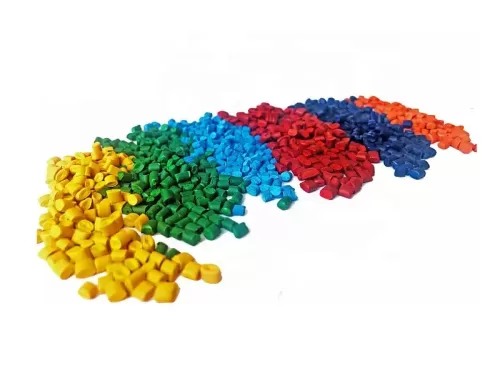
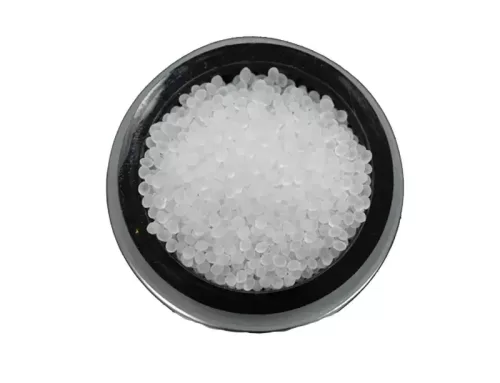
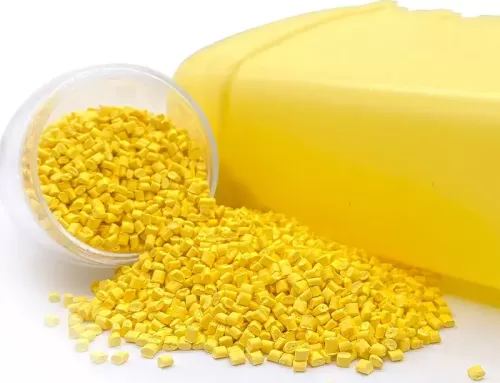
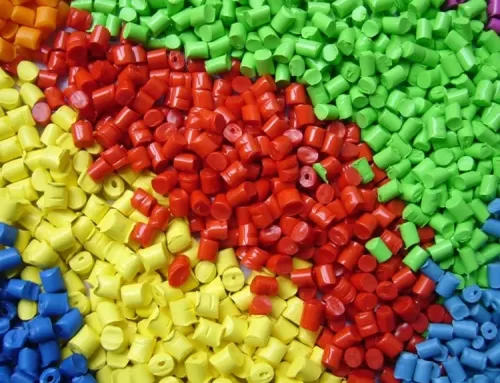
Convenience in Manufacturing: Flame retardant masterbatch comes in pellet or granular form, making it easy to incorporate into polymer production. Manufacturers can directly add the masterbatch during the melting process, ensuring even dispersion throughout the material and improving both the aesthetic and functional properties of the final product.
Cost-Effective Solution: Compared to other fire safety measures, such as applying coatings or fire-resistant barriers, flame retardant masterbatch offers a more cost-effective approach. By integrating flame retardants directly into the material, manufacturers save time and money without sacrificing fire protection.
Environmentally Friendly Alternatives: Non-halogenated flame retardant masterbatches are gaining popularity for their lower environmental impact. These compounds enhance fire safety while avoiding the release of harmful toxins during combustion. Additionally, some formulations use recycled or biodegradable carrier resins, further reducing their environmental footprint.
Applications of Flame Retardant Masterbatch
Flame retardant masterbatch compounds find use in a wide range of industries:
Construction: Building materials such as insulation, roofing, and pipes benefit from flame retardant masterbatch, making them more resistant to fire hazards.
Electrical and Electronics: Flame retardant masterbatch improves the safety of electronic components, wiring, and circuit boards, ensuring compliance with fire safety regulations.
Automotive: Flame retardant masterbatch helps enhance the safety of both interior and exterior components of vehicles, reducing the risk of fire due to heat or electrical faults.

Textiles: Flame retardant masterbatch is used in textiles like furniture upholstery, curtains, and carpets to minimize fire risks and improve fire resistance.
Flame retardant masterbatch compounds play an essential role in enhancing fire resistance across various industries. By interrupting the combustion process, these compounds improve safety, durability, and regulatory compliance. Whether used in construction, electronics, or automotive applications, flame retardant masterbatch offers a flexible, cost-effective solution to reduce fire hazards. Through ongoing advancements in environmentally friendly options, these compounds continue to help manufacturers produce safer, more reliable products for high-risk environments.
 How Does Flame Retardant Masterbatch Work Key Benefits of It