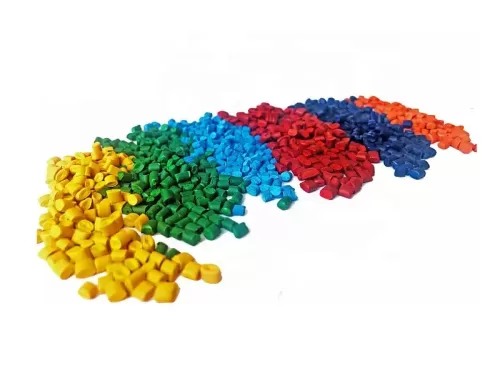
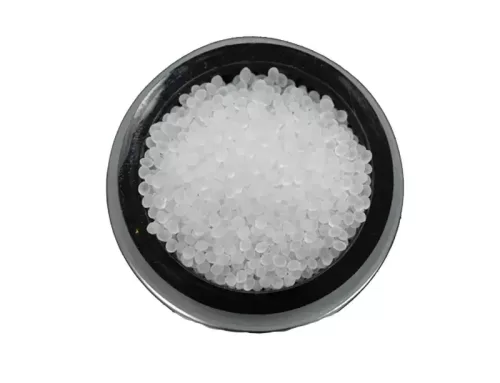
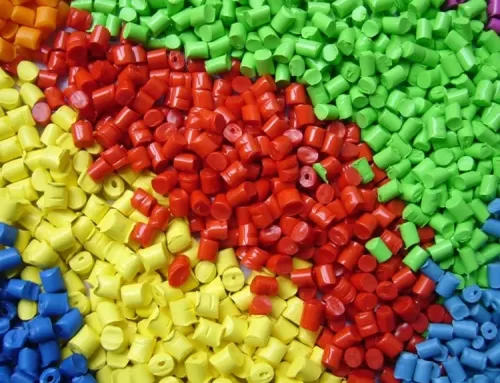
In the dynamic landscape of the food industry, visual appeal plays a crucial role in consumer choices. Food packaging, in particular, relies on vibrant and enticing colors to capture attention and convey product quality. This article delves into the growing trend of customization in food grade color masterbatches, exploring how it meets the unique demands of the food sector.
1. Regulatory Compliance and Safety:
The food industry operates under stringent regulatory standards. Customized food grade color masterbatches are formulated to comply with these regulations, ensuring that the colors used in packaging are safe for direct or indirect contact with food. This customization extends to factors such as light stability, heat resistance, and migration control, aligning with the industry’s commitment to food safety.
2. Brand Identity through Custom Colors:
Establishing a distinct brand identity is crucial in the competitive food market. Customization allows food manufacturers to develop unique color schemes that resonate with their brand messaging. Whether it’s creating a signature color for a brand logo or aligning with specific product lines, customized food grade color masterbatches enable precise color matching to enhance brand recognition.
3. Natural and Organic Color Trends:
Consumer preferences in the food industry are shifting towards natural and organic products. Customization trends in food grade color masterbatches reflect this shift, with a focus on creating natural-looking hues derived from plant-based sources. These customized colors cater to the demand for clean labels and transparency in food product ingredients.
4. Enhancing Product Visibility:
In a crowded marketplace, product visibility is essential. Customized color solutions are designed not only for aesthetics but also to enhance product visibility on shelves. This can include developing colors that stand out in specific retail environments or optimizing packaging for online sales where the visual representation is critical.
5. Sustainable Customization:
Sustainability is a paramount concern in the food industry. Customized food grade color masterbatches can incorporate sustainable and eco-friendly materials. This aligns with the industry’s commitment to reducing environmental impact, meeting the growing consumer demand for environmentally conscious packaging.
6. Adaptability to Packaging Materials:
Food products are packaged in a variety of materials, each with its own characteristics. Customization allows for the formulation of color masterbatches that are adaptable to different packaging materials, ensuring consistent color appearance regardless of whether the packaging is made of plastic, paper, or other materials.
The customization trends in food grade color masterbatches align with the multifaceted requirements of the food industry. From regulatory compliance to brand identity, natural and organic color preferences, product visibility, sustainability, and adaptability to various packaging materials, customization empowers food manufacturers to create visually appealing and safe packaging solutions. As the food industry continues to evolve, the role of customized color solutions will remain pivotal in meeting consumer expectations and regulatory standards.
More you may like: