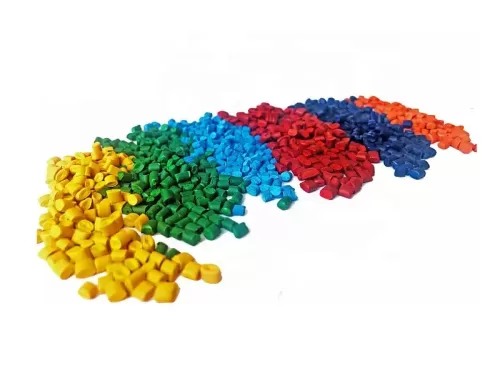
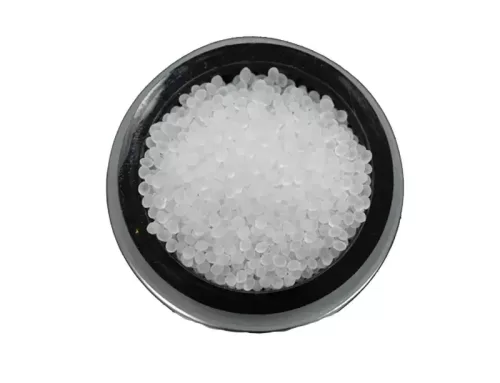
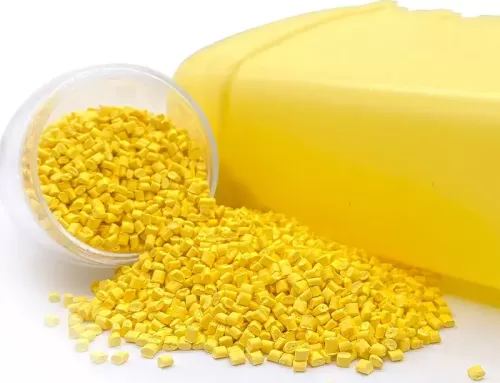
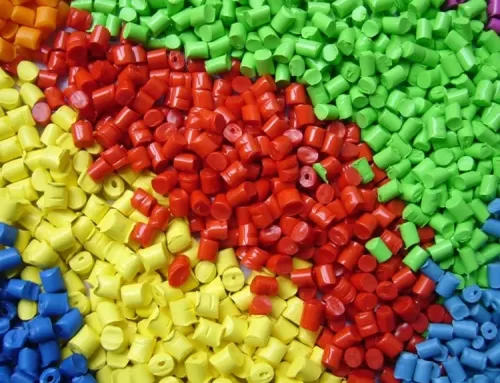
In the ever-evolving landscape of manufacturing, customization has become a driving force, shaping products to meet unique needs and preferences. Color masterbatches, essential components in the plastics industry, have witnessed a surge in demand owing to their ability to offer tailored solutions. This article explores the burgeoning trend of customization in color masterbatches and its implications for various industries.
1. Tailored Aesthetics:
One of the key drivers behind the customization trend is the desire for unique aesthetics. Industries ranging from automotive to consumer electronics are opting for bespoke colors to distinguish their products in crowded markets. Color masterbatches, with their vast array of pigments, enable manufacturers to create distinct hues, catering to specific brand identities or evolving consumer tastes.
2. Industry-Specific Requirements:
Different industries have diverse requirements concerning color durability, UV resistance, and temperature stability. Customized color masterbatches are formulated to meet these industry-specific needs. For instance, the automotive sector often demands colors that withstand prolonged exposure to sunlight, while the medical industry requires hues that do not degrade under sterilization processes. Tailoring masterbatches to these unique demands ensures optimal performance in varied environments.
3. Sustainable Customization:
As sustainability gains prominence, there is a growing demand for eco-friendly color solutions. Customized color masterbatches can incorporate bio-based or recycled materials, aligning with the eco-conscious initiatives of many companies. These sustainable options not only fulfill customization needs but also contribute to reducing the overall environmental impact.
4. Functional Customization:
Beyond aesthetics, customization extends to functional properties. Color masterbatches can be engineered with additives for specific functionalities, such as antimicrobial properties for healthcare applications or flame retardancy for electronics. Tailoring masterbatches to offer these additional functionalities provides a competitive edge to manufacturers in niche markets.
5. Rapid Prototyping and Small-Batch Production:
Customization in color masterbatches facilitates rapid prototyping and small-batch production runs. Manufacturers can experiment with a variety of colors without committing to large quantities, enabling them to test market responses and adapt swiftly to changing trends. This flexibility is invaluable, especially in industries where consumer preferences are dynamic.
The customization trend in color masterbatches reflects the contemporary market’s need for tailored solutions. Whether it’s creating unique aesthetics, meeting industry-specific requirements, embracing sustainability, adding functional properties, or enabling rapid prototyping, customized color masterbatches empower manufacturers to innovate and stay ahead. As technology continues to advance, the scope for customization in color masterbatches is set to expand, offering endless possibilities for industries seeking to differentiate their products and meet the evolving demands of consumers.