introduction:
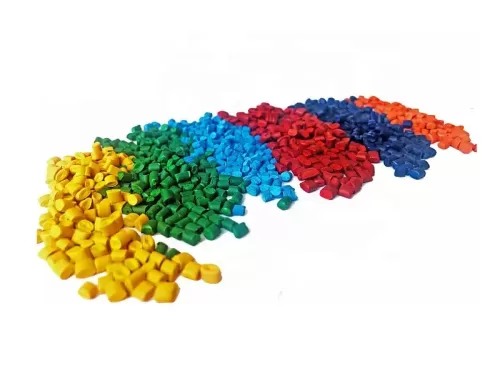
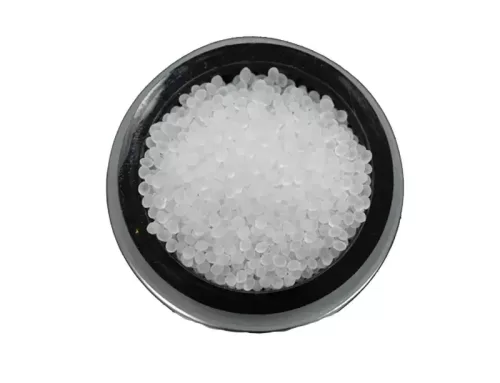
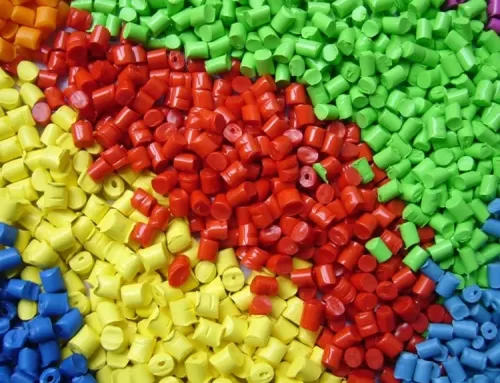
Plastic masterbatch plays a vital role in the production process of plastic products. However, plastic products may be affected by chemicals during use, causing problems such as performance degradation or color fading. Therefore, evaluating the chemical stability of plastic masterbatches is critical to ensure the quality and performance of the final product. This article will introduce the chemical resistance stability evaluation method of plastic masterbatches to help masterbatch manufacturers better understand and control product quality.
1. Photostability evaluation:
Test method: Use a light source such as an ultraviolet lamp or a xenon lamp to irradiate a plastic sample containing a masterbatch, and observe the color change of the sample within a certain period of time. The light stability of the masterbatch can be evaluated by comparing indicators such as color difference and color retention.
Result analysis: The light stability evaluation can know the durability and color retention ability of the masterbatch under sunlight or ultraviolet radiation. Better light stability means that the masterbatch is more stable in outdoor or exposed environments, which has an important impact on the weather resistance and service life of the product.
2. Thermal stability evaluation:
Test method: use equipment such as hot air or a constant temperature box to heat the plastic sample containing the masterbatch, and observe the physical properties and color changes of the sample. It can measure the melting point of the material, thermal weight loss and other indicators, and evaluate the thermal stability of the masterbatch.
Result analysis: thermal stability evaluation can judge the heat resistance of masterbatch in high temperature environment. Excellent thermal stability means that the masterbatch is not easy to decompose and discolor during high-temperature processing or use, which helps to keep the appearance and performance of the product stable.
3. Chemical resistance evaluation:
Test method: Put the plastic sample containing masterbatch in different chemicals (such as acid, alkali, solvent, etc.), and observe the change of the sample within a certain period of time. The chemical resistance of masterbatches can be evaluated by measuring indicators such as mass loss and mechanical property attenuation.
Result analysis: Chemical resistance performance evaluation can judge the resistance of masterbatch to common chemicals. Excellent chemical resistance means that the masterbatch is not easily corroded and damaged by chemicals in actual use, which helps to extend the service life of the product.
in conclusion:
Chemical stability evaluation of plastic masterbatch is an important step to ensure product quality and performance. Methods such as light stability evaluation, thermal stability evaluation and chemical resistance evaluation can help color masterbatch manufacturers understand the weather resistance, heat resistance and chemical corrosion resistance of color masterbatches, so as to provide customers with higher quality color masterbatch products. As a masterbatch manufacturer, we will continue to pay attention to and optimize the chemical resistance stability evaluation method, continuously improve product quality and technical level, and provide customers with reliable solutions.
Note: The specific evaluation method of chemical resistance stability should be selected and adjusted according to factors such as plastic type, masterbatch formula and actual use conditions.