In the realm of plastic manufacturing, masterbatches are essential components that enhance the properties and appearance of plastics. Two commonly used types are color masterbatch and filler masterbatch. While they both play significant roles in modifying plastics, they serve distinct purposes. This article aims to elucidate the differences between color masterbatch and filler masterbatch and their applications in the plastic industry.
Color Masterbatch vs. Filler Masterbatch: Understanding the Differences
Color Masterbatch:
Purpose and Function:
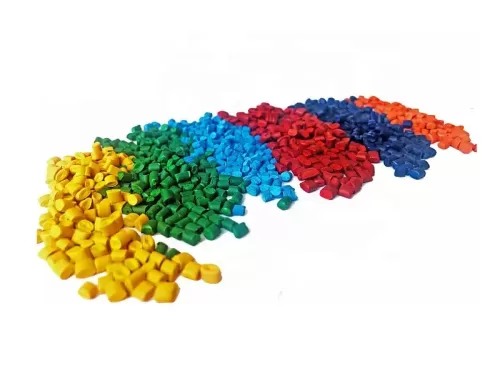
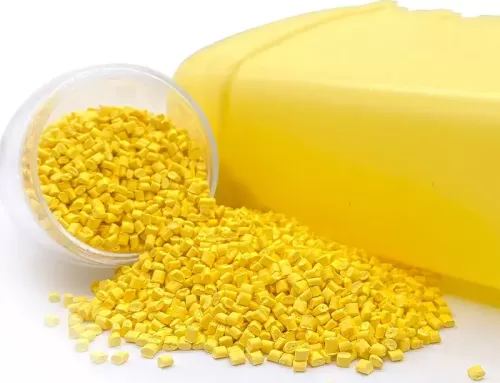
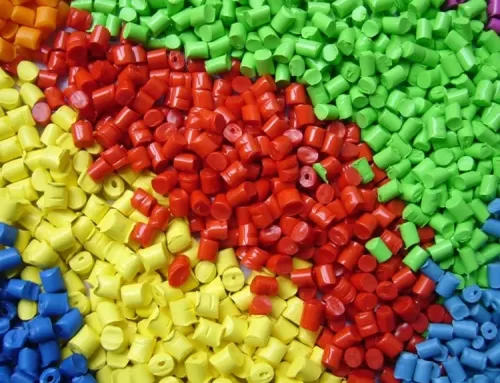
Color masterbatch is primarily used to impart vibrant and consistent colors to plastic products.
It contains a high concentration of color pigments dispersed in a carrier resin.
Application:
Color masterbatch is crucial for achieving desired aesthetics in plastic products, catering to brand identity, consumer preferences, and market trends.
It finds extensive use in industries like packaging, automotive, consumer goods, and more.
Effects on Properties:
While color masterbatch enhances the visual appeal of plastics, it does not significantly alter their mechanical or structural properties.
Filler Masterbatch:
Purpose and Function:
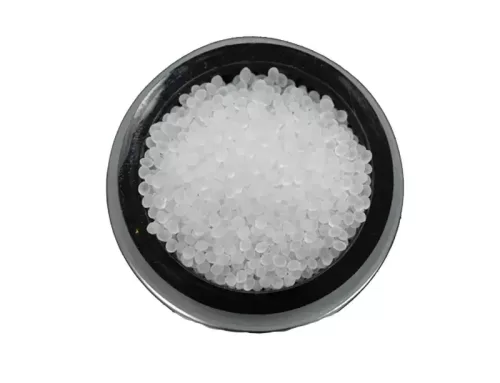
Filler masterbatch is formulated with mineral-based fillers such as calcium carbonate, talc, or glass fibers.
It is primarily used to modify properties such as density, stiffness, and thermal conductivity of plastic products.
Application:
Filler masterbatch is used to reduce material costs by incorporating less expensive fillers while maintaining acceptable mechanical performance.
Industries such as automotive, construction, and electrical appliances benefit from the enhanced properties provided by filler masterbatch.
Effects on Properties:
Filler masterbatch can influence the mechanical properties (stiffness, impact resistance), thermal properties, and dimensional stability of plastic products.
Comparing Applications:
Color masterbatch enhances the visual appearance and brand recognition of products, making them appealing to consumers.
Filler masterbatch focuses on cost efficiency, improved mechanical performance, and achieving specific physical properties.
Color masterbatch and filler masterbatch are distinct additives in plastic manufacturing, each serving unique purposes. Color masterbatch imparts vibrant hues and visual appeal, catering to aesthetics and branding. On the other hand, filler masterbatch modifies physical properties like density and stiffness while maintaining mechanical performance and reducing material costs. Understanding the differences between these two types of masterbatch is essential for manufacturers to select the appropriate additive that aligns with their specific goals and requirements in producing high-quality plastic products.