Introduction:
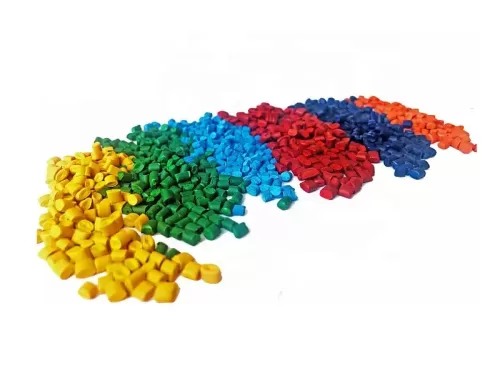
As a reputable color masterbatch manufacturer, we understand the concerns regarding color migration and its potential impact on the quality of plastic products during storage. Color migration refers to the phenomenon where pigments or dyes in the masterbatch may migrate or bleed into neighboring materials, affecting the intended color appearance and potentially compromising product quality. In this article, we will explore the factors contributing to color migration, its implications, and the measures that can be taken to mitigate its effects.
Factors Contributing to Color Migration:
Several factors can contribute to color migration in masterbatch during storage. These include temperature, humidity, pressure, exposure to light, and the compatibility of the pigments with the polymer matrix. Improper storage conditions or extended storage periods can exacerbate the migration process.
Implications on Product Quality:
Color migration can have adverse effects on the quality and aesthetics of plastic products. It may result in uneven color distribution, color fading, or color bleeding onto adjacent surfaces. This can diminish the intended visual appeal of the product, impacting brand reputation and customer satisfaction. Additionally, color migration may raise concerns about product consistency and reliability.
Measures to Mitigate Color Migration:
To minimize the risk of color migration and maintain product quality during storage, several measures can be implemented:
a. Selection of Compatible Pigments: Choosing pigments that are chemically compatible with the polymer matrix can help reduce the likelihood of migration. Conducting compatibility tests between pigments and the polymer is essential before finalizing the masterbatch formulation.
b. Optimal Concentration: Ensuring that the concentration of pigments in the masterbatch is within the recommended range can help mitigate migration. Higher pigment loadings increase the risk of migration, so careful consideration should be given to the concentration levels.
c. Proper Storage Conditions: Storing masterbatch in controlled environments, such as cool, dry, and dark areas, can minimize the impact of external factors that contribute to color migration. Avoiding exposure to direct sunlight, extreme temperatures, and high humidity is crucial.
d. Packaging and Handling: Using appropriate packaging materials that provide barrier properties against moisture and light can help preserve the integrity of the masterbatch during storage. Additionally, following proper handling procedures, such as avoiding contamination and preventing cross-contamination with other materials, is essential.
Quality Control and Testing:
Implementing rigorous quality control measures, including regular testing of masterbatch samples, can help detect any potential color migration issues early on. Conducting migration tests, colorfastness evaluations, and overall product performance assessments can provide valuable insights into the quality of the masterbatch and its suitability for specific applications.
Conclusion:
Color migration in masterbatch during storage is a critical consideration for manufacturers in the plastic industry. While it can potentially impact the quality and aesthetics of plastic products, taking proactive measures can significantly mitigate its effects. By selecting compatible pigments, optimizing concentration levels, ensuring proper storage conditions, and implementing quality control procedures, manufacturers can uphold the desired color integrity and maintain the overall quality of their products. As a color masterbatch manufacturer, we are committed to providing high-quality solutions that undergo thorough testing and adhere to industry best practices, ensuring the satisfaction and success of our customers’ applications.