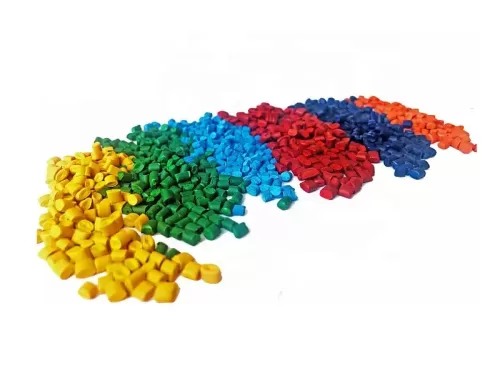
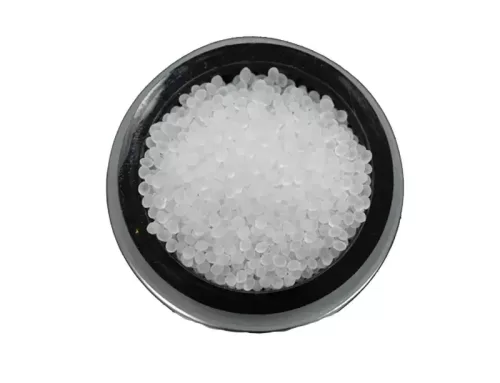
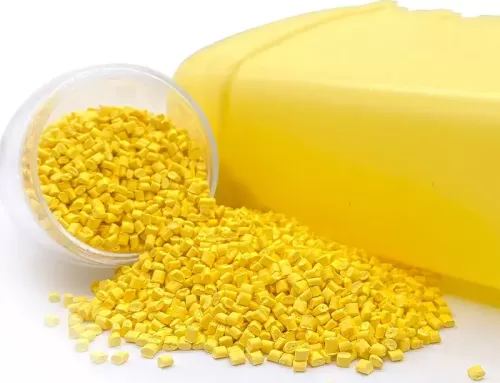
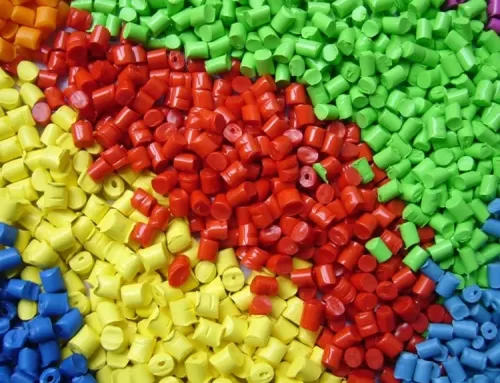
In the ever-evolving landscape of manufacturing, the role of color masterbatches is not just about enhancing aesthetics; it extends to ensuring durability and environmental responsibility. This article delves into the research and advancements surrounding color masterbatches, highlighting their significant advantages in terms of durability and environmental sustainability.
1. Enhanced Durability:
Color masterbatches are engineered to withstand the test of time. Whether incorporated into automotive components, consumer electronics, or outdoor equipment, these masterbatches provide excellent resistance against fading, abrasion, and environmental stressors. This longevity not only enhances the product’s lifespan but also reduces the frequency of replacements, contributing to sustainable consumption patterns.
2. UV Resistance and Weatherability:
One of the notable advantages of color masterbatches is their ability to endure exposure to harsh weather conditions. UV-resistant masterbatches prevent color degradation caused by sunlight, ensuring that products maintain their vibrant hues even after prolonged outdoor exposure. This feature is particularly crucial for items such as outdoor furniture, architectural elements, and sporting goods.
3. Chemical and Heat Resistance:
Color masterbatches are formulated to resist chemicals and high temperatures. In applications where exposure to chemicals is common, such as in medical devices and laboratory equipment, these masterbatches maintain their integrity, ensuring both safety and aesthetics. Additionally, their heat resistance makes them ideal for products subjected to elevated temperatures during processing or everyday use.
4. Eco-Friendly Formulations:
As environmental sustainability gains prominence, eco-friendly color masterbatches have emerged. These formulations prioritize biodegradability and reduced environmental impact. By utilizing bio-based and recycled materials, these masterbatches contribute to the circular economy. Manufacturers adopting these eco-conscious solutions not only meet consumer demands for sustainable products but also play a role in minimizing plastic waste.
5. Contribution to Recycling Efforts:
Color masterbatches play a vital role in the recycling process. Through the use of compatible masterbatches, recycled plastics can be transformed into a wide array of products without compromising on color quality. This incentivizes recycling initiatives, reducing the burden on landfills and conserving valuable resources.
The continuous research and development in the realm of color masterbatches have led to remarkable advancements in durability and environmental sustainability. As industries embrace these innovations, they not only produce longer-lasting, aesthetically pleasing products but also contribute significantly to the global efforts towards a more sustainable and eco-conscious future. By understanding and leveraging the advantages offered by color masterbatches, manufacturers are poised to create a positive impact on both product performance and the environment.