In the realm of plastic manufacturing, the choice between color masterbatches and pigments is pivotal. Both serve as colorants, but their characteristics, applications, and manufacturing processes differ significantly. This article delves into what color masterbatches and pigments are, their manufacturing nuances, and their distinct uses, helping manufacturers make an informed decision.
What is a Color Masterbatch?
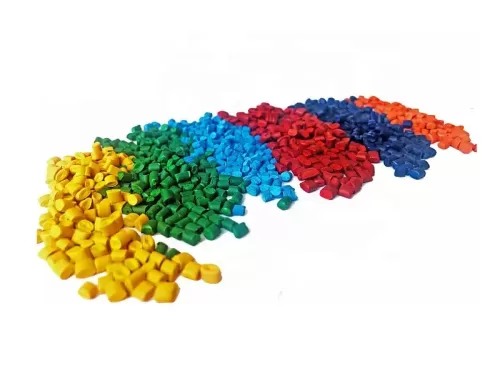
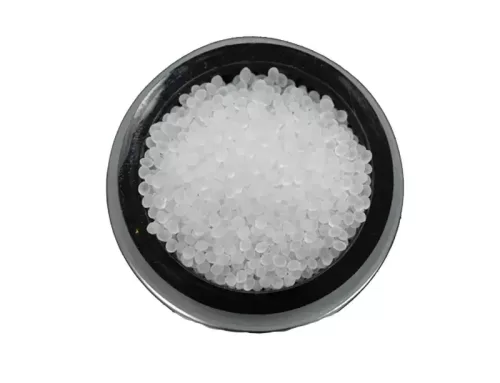
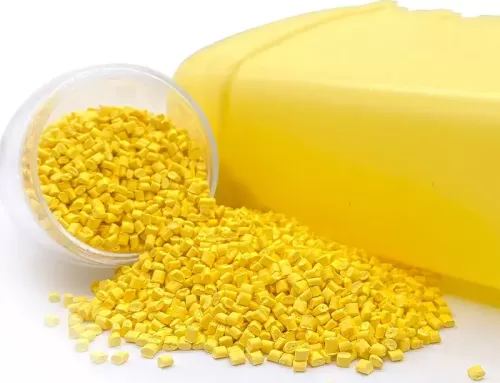
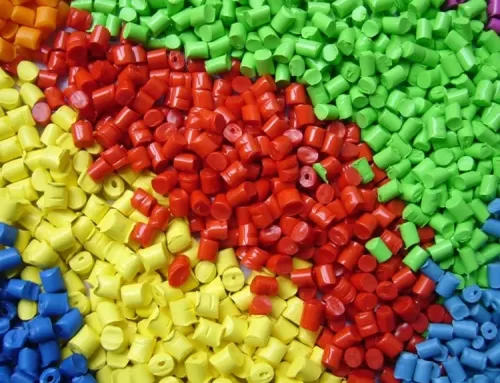
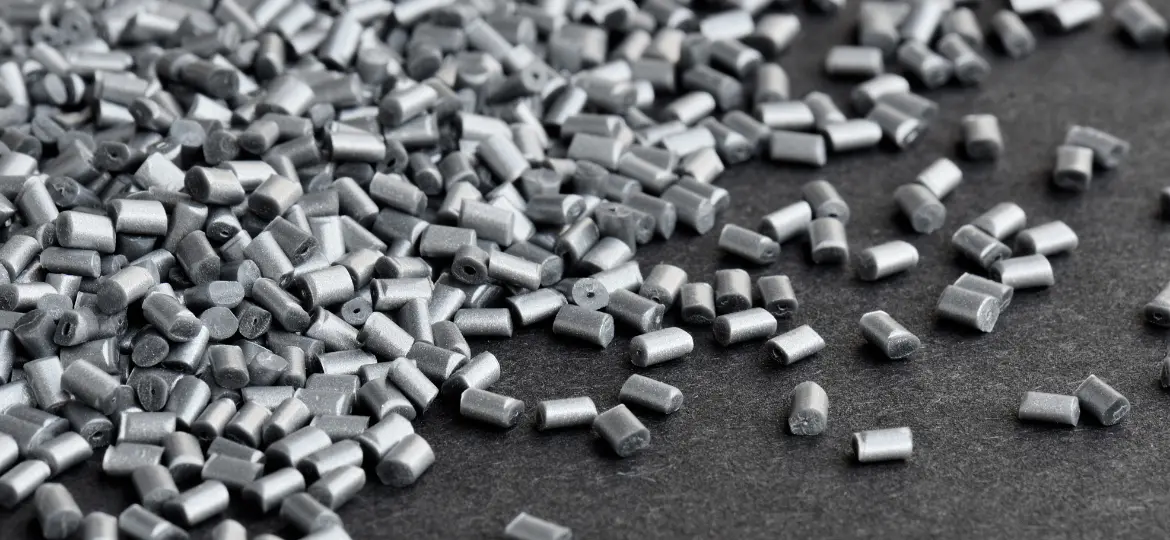
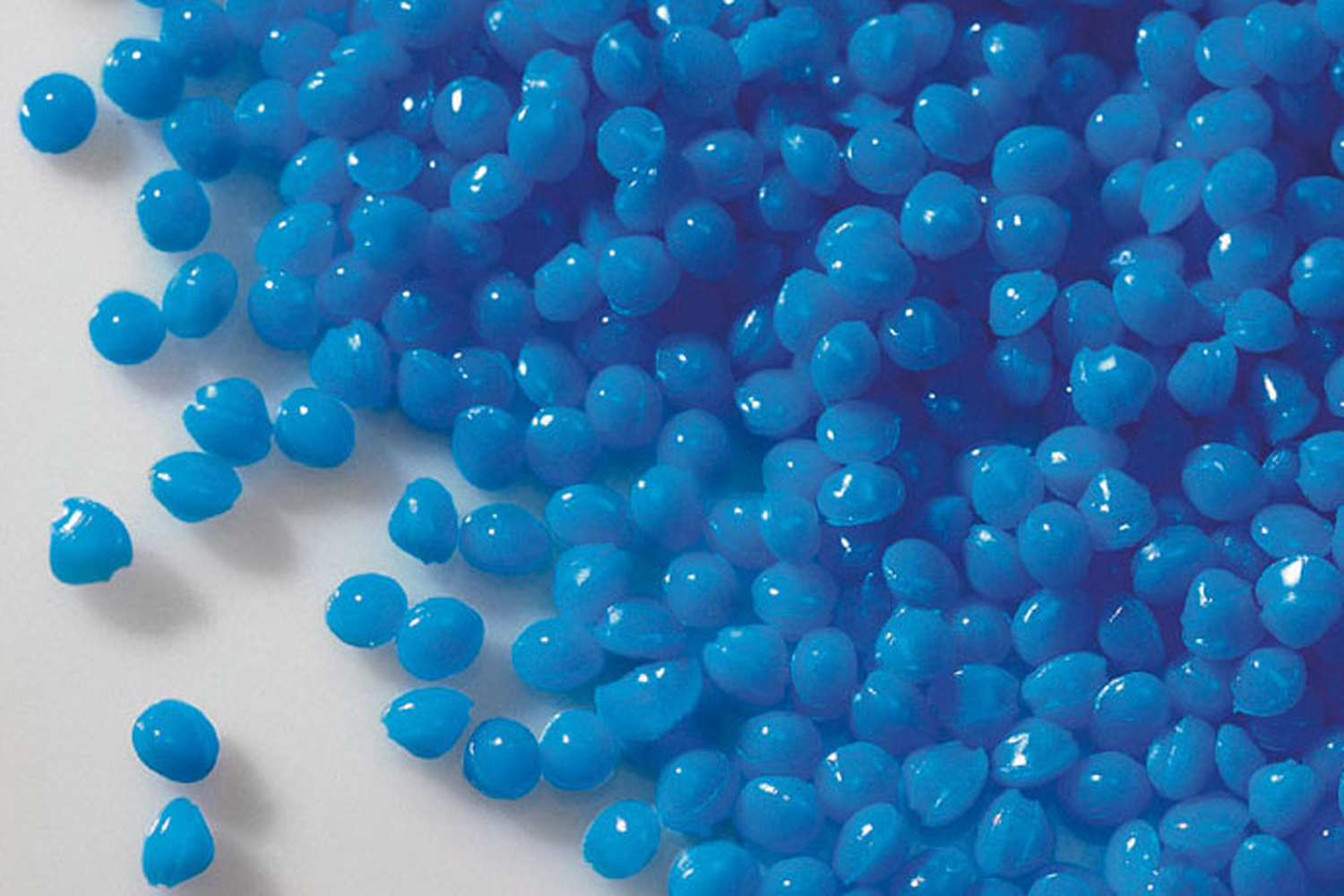
A color masterbatch is a pre-mixed composition of pigments, plastic resins, and specific additives. These are supplied in granule form, making them easy to store, handle, and incorporate into the plastic manufacturing process. The granules ensure uniform color distribution without causing airborne contamination, a common issue with pigments in powder form. Masterbatches are environmentally friendly, offer excellent dispersion, and enhance the manufacturing process’s efficiency by including additives that improve product quality.
What are Pigments?
Pigments are dry, solid substances used to impart color. Unlike masterbatches, pigments are in powder form and need to be suspended in a liquid for application in dyes, inks, and paints. This form can lead to airborne particles during the manufacturing process, posing health risks and contamination issues. Pigments require careful handling and storage due to their form and can result in higher consumption rates compared to masterbatches due to losses during the manufacturing process.
Manufacturing Process Differences
The manufacturing process of color masterbatches involves blending pigments with plastic resins and additives to create a uniform granule mixture. This process ensures that the color is evenly distributed throughout the plastic without any hotspots or concentration issues. On the other hand, pigments, being in powder form, must be carefully mixed and often require additional steps to ensure they are evenly dispersed within the plastic, which can complicate the manufacturing process.
Applications and Usage
Color masterbatches are preferred in plastic manufacturing due to their ease of use, environmental benefits, and efficiency in the production process. They are widely used in applications requiring precise color consistency and quality, such as packaging films, stretch films, and injection molding products. Pigments, while offering a broad spectrum of colors, are more suited to applications outside of plastic manufacturing, such as dyes, inks, and paints, where their form and properties can be fully utilized.
The choice between color masterbatches and pigments hinges on the specific requirements of the manufacturing process and the final product. Color masterbatches offer significant advantages in terms of ease of use, environmental impact, and efficiency, making them the preferred choice for plastic manufacturing. However, pigments may still be the go-to option for specific applications outside of this industry, where their unique properties can be leveraged. Ultimately, understanding the distinct characteristics and applications of each can guide manufacturers in selecting the most appropriate colorant for their needs.
More: