Black masterbatch holds a prominent position in the realm of plastic manufacturing, providing a versatile solution for achieving deep, rich black hues in various plastic products. This article explores the characteristics, applications, and manufacturing processes associated with black masterbatch.
1. Characteristics of Black Masterbatch:
Color Consistency: Black masterbatch ensures uniform and consistent coloration across plastic products.
UV Stability: Many formulations include additives for UV stability, preventing color fading or degradation due to exposure to sunlight.
High Opacity: Black masterbatch exhibits high opacity, imparting a solid black appearance even in thin-walled products.
Processing Aid: It often serves as a processing aid, enhancing the flow properties and mold release during plastic processing.
2. Applications:
Packaging: Commonly used in the production of black plastic packaging materials, including bags, containers, and films.
Automotive: In automotive applications, black masterbatch is utilized for components such as interior trims, dashboards, and exterior body parts.
Construction: Widely employed in the construction industry for manufacturing pipes, fittings, and profiles.
Electronics: Used for electronic components and devices that require a sleek, black finish.
3. Manufacturing Process:
Base Resin Selection: The choice of base resin, such as polyethylene (PE), polypropylene (PP), or others, influences the final properties of the black masterbatch.
Pigments and Additives: High-quality carbon black pigments are mixed with the base resin. Additional additives like antioxidants, UV stabilizers, and processing aids may be incorporated.
Compounding: The compounding process involves melting and mixing the components in an extruder to create a homogeneous mixture.
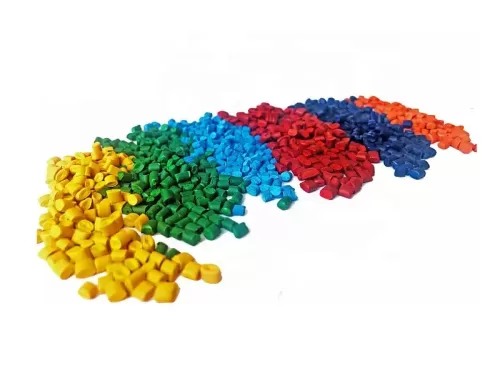
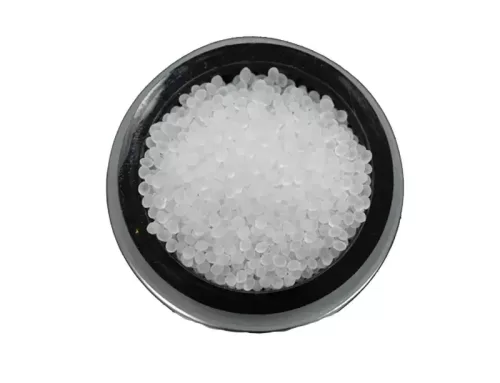
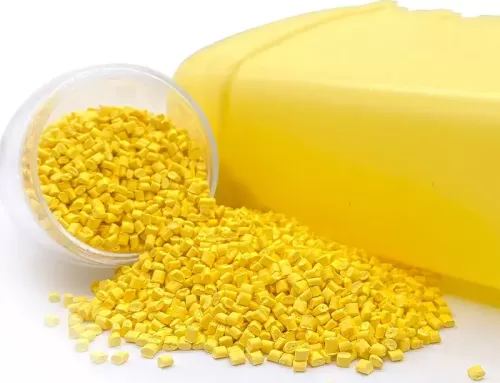
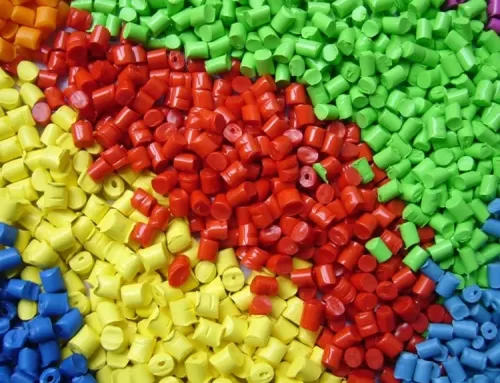
Pelletizing: The molten mixture is then pelletized, forming small, uniformly colored pellets.
4. Advantages:
Cost-Effective: Black masterbatch offers a cost-effective solution for achieving black coloration compared to using neat polymer and coloring agents separately.
Processing Efficiency: It enhances processing efficiency by improving the flow characteristics of the plastic melt.
Customization: Manufacturers can tailor formulations to meet specific requirements, such as UV resistance or desired gloss levels.
5. Challenges:
Dispersion Quality: Achieving uniform dispersion of carbon black throughout the polymer matrix is crucial for maintaining consistent coloration.
Compatibility: Ensuring compatibility with the base resin is essential to prevent issues such as poor melt flow or reduced mechanical properties.
Black masterbatch stands as a crucial component in the palette of color solutions for the plastics industry. Its ability to provide not just color but also enhance processing and performance makes it a preferred choice in various applications, contributing to the aesthetics and functionality of diverse plastic products. Manufacturers continue to refine formulations and processes to meet evolving industry demands and environmental considerations.
See our products: