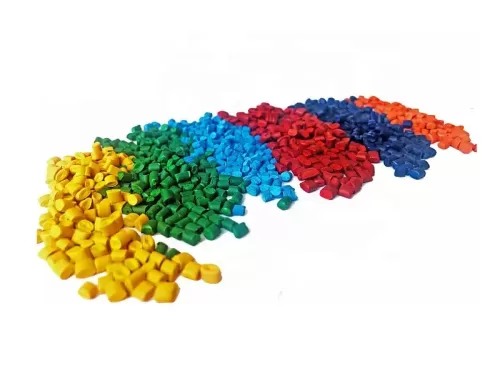
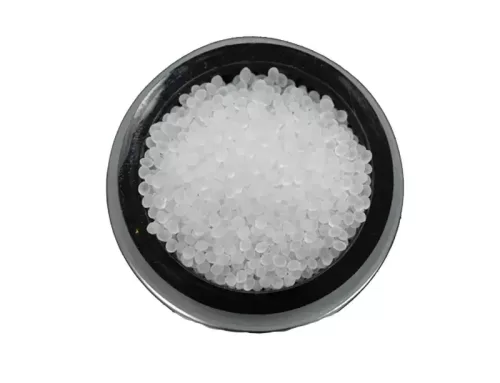
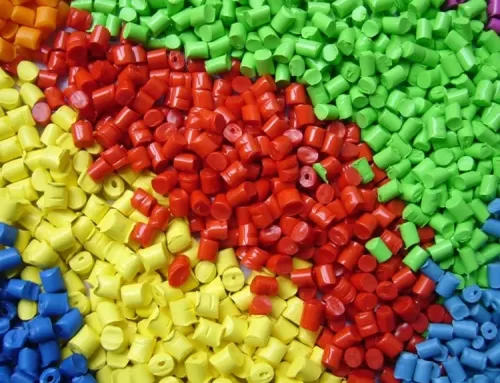
The intersection of color masterbatches and biodegradable plastics represents a significant advancement in both environmental sustainability and product customization. This article delves into the innovative realm of composite applications, exploring how the synergy between color masterbatches and biodegradable plastics is reshaping industries and contributing to a greener planet.
1. Enhanced Aesthetics and Environmental Responsibility:
Color masterbatches enable manufacturers to infuse biodegradable plastics with vibrant hues and intricate designs. This enhancement not only serves aesthetic purposes but also promotes brand recognition. Coupled with the eco-friendly nature of biodegradable plastics, these solutions cater to environmentally conscious consumers and businesses.
2. Sustainable Packaging Solutions:
The amalgamation of color masterbatches with biodegradable plastics has revolutionized packaging. From food containers to shopping bags, these composite materials provide robust packaging solutions that are not only visually appealing but also biodegradable. This dual advantage addresses the growing concern over plastic waste in landfills and oceans.
3. Agricultural and Horticultural Applications:
In agriculture, biodegradable plastics infused with color masterbatches find applications in mulch films, plant pots, and seedling trays. These products not only aid in plant growth but also degrade naturally, reducing environmental impact. The colorful variations assist in organizing crops and differentiating plant species, enhancing agricultural practices.
4. Medical and Healthcare Innovations:
Biodegradable plastics enhanced with color masterbatches have paved the way for sustainable medical devices and packaging. From disposable medical instruments to eco-friendly packaging for pharmaceuticals, these materials ensure both patient safety and environmental responsibility. The vivid color options aid in efficient categorization and usage in medical facilities.
5. Consumer Electronics and Automotive Industry:
In consumer electronics and automotive sectors, biodegradable plastics integrated with vibrant color masterbatches are used for casings, panels, and interior components. This composite application offers durable, visually appealing, and sustainable alternatives. The diverse color choices cater to the preferences of end-users, driving the adoption of eco-conscious products.
6. Challenges and Future Prospects:
While the composite application of color masterbatches and biodegradable plastics holds immense promise, challenges such as cost-effectiveness, production scalability, and recycling methods need continuous exploration. Research and development efforts are focused on overcoming these challenges, promising a future where these composites become the norm rather than the exception.
Conclusion:
The collaboration between color masterbatches and biodegradable plastics heralds a new era of sustainable innovation. By infusing eco-friendly materials with vibrant colors and functional designs, industries are not only meeting consumer demands but also contributing significantly to environmental conservation. As technology advances and challenges are addressed, the composite applications of these materials are poised to revolutionize multiple sectors, making a substantial difference in the global movement towards a greener, more sustainable future.