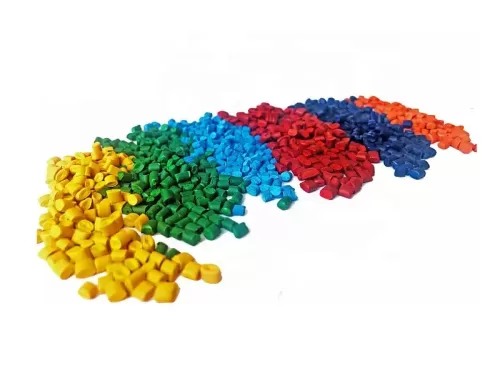
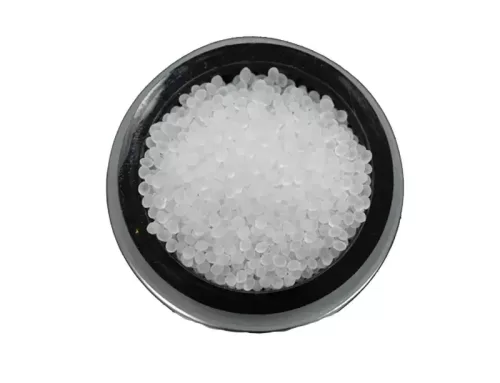
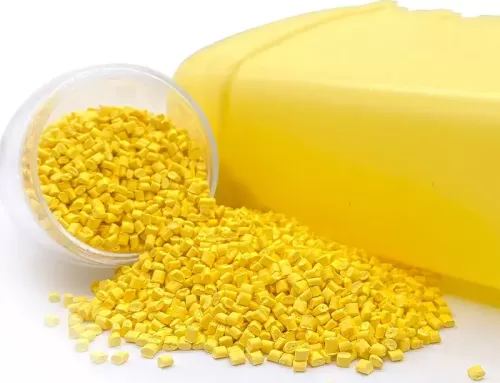
In plastic manufacturing, static electricity build-up presents a significant challenge, leading to product contamination, quality issues, and even safety hazards. To counter these effects, plastic manufacturers use antistatic masterbatch, a specialized additive that helps reduce or eliminate static. This article explores what antistatic masterbatch is, how it works, and why it is essential in plastic manufacturing.
What is Antistatic Masterbatch?
Antistatic masterbatch is an additive designed to minimize static electricity build-up on plastic surfaces. Static electricity is the result of an imbalance of electric charges on a material’s surface. This problem is common in plastics due to their low conductivity, which prevents charges from dissipating. As a result, static can attract dust, cause sheets to stick together, and, in severe cases, create sparks that pose fire risks.

Containing chemicals that dissipate the charge, antistatic masterbatch prevents static from building up. Available in pellet form, it can be mixed with raw polymer materials during production or applied as a surface coating. This makes it versatile and easy to use, helping manufacturers produce safer, more user-friendly plastic products.
How Does Antistatic Masterbatch Work?
Antistatic masterbatch effectively prevents static build-up through a unique chemical formulation. Here’s a closer look at its mechanism:
Static Dissipation: Since plastics have low conductivity, electric charges accumulate on their surfaces. Antistatic masterbatch molecules migrate to the plastic’s surface, attracting airborne moisture and creating a thin conductive layer that dissipates the charge.
Moisture Attraction: Many antistatic additives work by drawing moisture from the air to neutralize static. However, the antistatic effect depends on humidity levels. In very dry conditions, with fewer moisture molecules present, the antistatic impact may reduce.
Application Options: Antistatic masterbatch can be blended directly into the polymer mix during production, resulting in an antistatic polymer throughout the product. Alternatively, it can be applied as a surface coating, preventing static build-up on the outer layer.
Permanent vs. Temporary Effects: Some antistatic masterbatches offer long-lasting, “permanent” protection, while others provide temporary effects that gradually wear off. For products requiring sustained protection, like electronics and automotive parts, permanent antistatic masterbatches are ideal.
Why Use Antistatic Masterbatch in the Plastic Manufacturing Process?
Integrating antistatic masterbatch into plastic manufacturing offers a range of benefits, enhancing product quality, safety, and efficiency. Here’s why it is essential:
Reduces Dust and Dirt Accumulation:
Static charges can attract dust and dirt, affecting product appearance and cleanliness. In industries like packaging and automotive, where aesthetics matter, antistatic properties in packaging materials reduce dust build-up, ensuring cleaner products. For automotive interiors, antistatic surfaces prevent dust accumulation, maintaining a polished appearance.
Improves Safety:
High static charges can discharge as sparks, posing fire hazards, especially near flammable materials. Reducing this risk makes antistatic masterbatch crucial for products used in potentially hazardous environments.
Facilitates Smoother Production:
Static can cause plastic sheets to stick, slowing production and increasing the risk of damage. With antistatic masterbatch, clinging is prevented, ensuring a smoother, more efficient production process.
Meets Regulatory Standards:
Various industries, like food packaging and electronics, impose strict regulations on materials and additives. For example, antistatic additives in food packaging must comply with stringent safety standards to prevent contamination. Similarly, additives in electronics must meet anti-corrosion standards for polycarbonate products. Meeting these regulations helps manufacturers remain compliant and competitive.
Effective Across Various Humidity Levels:
Traditional antistatic additives were less effective in low humidity due to limited moisture availability. Modern formulations, however, perform well across different humidity levels, making antistatic masterbatch suitable for a wide range of environments.
Versatile Across Industries: Antistatic masterbatch serves multiple industries. In packaging, it prevents films from attracting dust and contaminants. In the automotive sector, it prevents static build-up on vehicle interiors and exteriors, while in textiles, it is used in bags and nets to avoid static accumulation that can complicate handling.
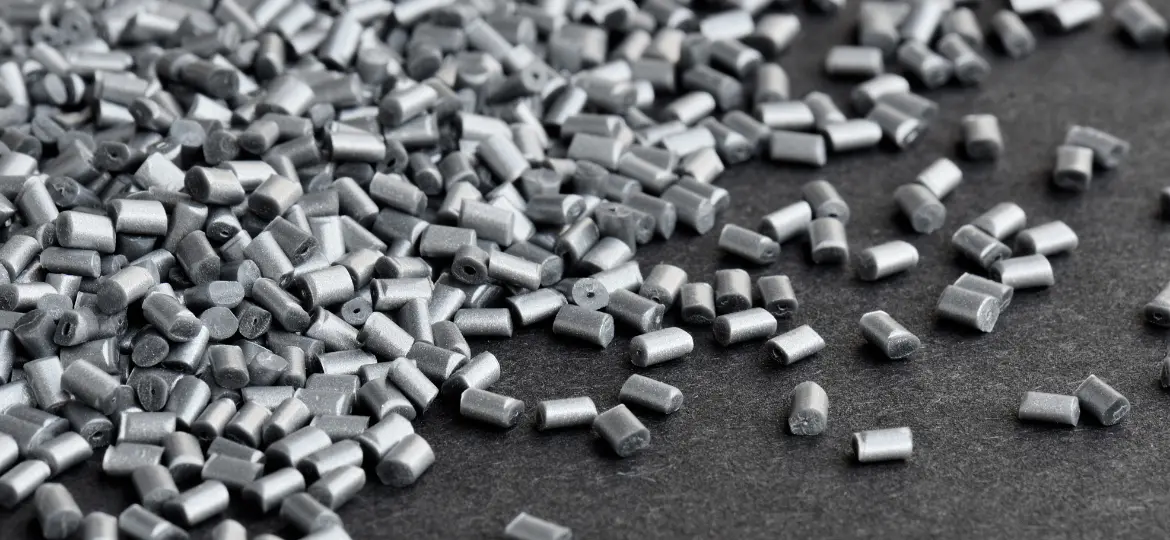
For plastic manufacturers aiming to improve product quality, safety, and usability, antistatic masterbatch is an essential additive. By preventing static build-up, it reduces dust attraction, lowers safety risks, and streamlines production processes, benefiting sectors like packaging, automotive, textiles, and electronics.
With advancements in formulations, antistatic masterbatch now performs effectively in various humidity levels and complies with strict regulations. As the demand for high-quality, static-free plastic products grows, this additive will remain a crucial component in plastic manufacturing.