Antistatic color masterbatch stands at the forefront of innovations in the plastics industry, offering a dynamic solution to address the challenges posed by static electricity. This article delves into the characteristics, applications, and production processes associated with it.
1. Characteristics:
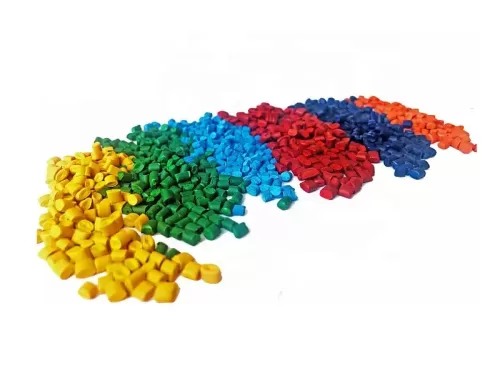
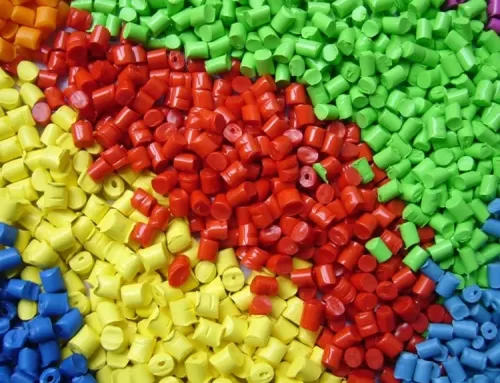
Color Diversity: Beyond its primary function, antistatic color masterbatch is available in a spectrum of colors, providing manufacturers with both functional and aesthetic benefits.
Static Dissipation: The primary characteristic is its ability to dissipate or reduce static electricity, which is crucial for applications where static build-up can be detrimental.
Compatibility: It is formulated to be compatible with various base resins, including polyethylene (PE), polypropylene (PP), and other plastics.
Durability: Ensures long-lasting antistatic properties without compromising the mechanical or optical properties of the plastic.
2. Applications:
Electronics Packaging: Ideal for packaging materials used in the electronics industry to protect sensitive components from static-related damage.
Explosive Environments: Essential for applications in environments where static electricity could pose safety risks, such as in the packaging of explosive materials.
Automotive Components: Used in automotive interiors to prevent static build-up on surfaces and enhance safety.
Textile Industry: Applied in the production of antistatic fibers and textiles, providing comfort and safety in clothing.
3. Manufacturing Process:
Resin Selection: The choice of base resin is critical, and formulations are tailored based on the specific requirements of the application.
Antistatic Agents: Incorporation of antistatic agents like carbon black, metallic compounds, or specialty chemicals that facilitate static dissipation.
Color Pigments: Addition of color pigments to achieve the desired visual appearance while maintaining antistatic properties.
Extrusion Process: The compounding process involves extruding the base resin with antistatic agents and color pigments to create a uniform masterbatch.
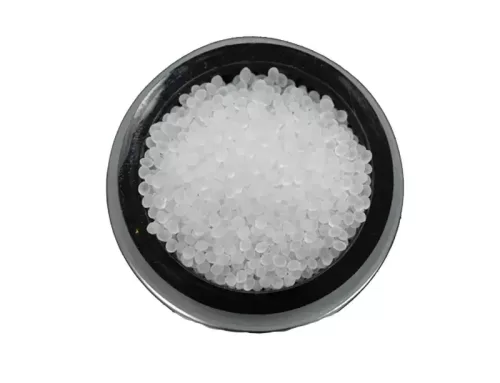
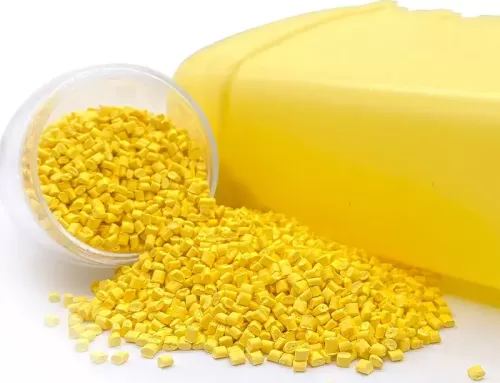
Pelletizing: The extruded mixture is pelletized, resulting in its pellets ready for use.
4. Advantages:
Static Prevention: The primary advantage is the effective prevention of static build-up, which is vital in numerous industries.
Color Customization: Manufacturers benefit from a dual-purpose masterbatch, combining antistatic properties with a range of customizable colors.
Process Integration: Easily integrated into existing plastic processing methods without significant modifications.
5. Challenges:
Uniform Dispersion: Ensuring the uniform dispersion of antistatic agents and color pigments throughout the masterbatch is crucial for consistent performance.
Regulatory Compliance: Meeting regulatory standards for both colorants and antistatic properties adds complexity to the formulation process.
It represents a pioneering solution that seamlessly combines vibrant color options with the essential functionality of static dissipation. As industries continue to demand materials that ensure safety, reliability, and visual appeal, it stands as a versatile and indispensable component in the realm of modern plastics. Ongoing advancements in formulations and processing techniques are expected to further enhance the capabilities and applications of this innovative masterbatch.
More: