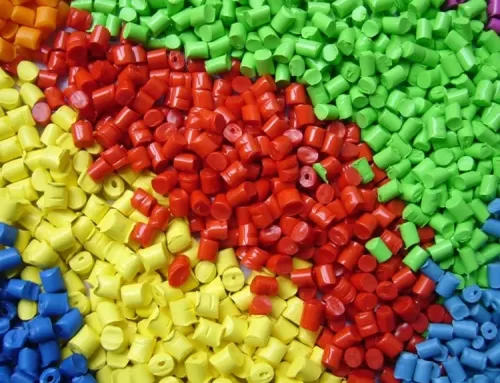
Introduction:
As a masterbatch manufacturer, understanding how to accurately calculate the cost of masterbatch is essential for effective pricing, budgeting, and overall business management. In this article, we will provide a comprehensive guide on how to calculate the cost of masterbatch, taking into account various factors that influence pricing. By following these guidelines, you can ensure that your pricing is competitive, transparent, and aligned with your business goals.
Raw Material Cost:
The primary component of masterbatch is the raw material, typically a polymer resin. Calculate the cost of raw materials by considering factors such as resin type, quality, and market prices. Take into account the quantity of raw materials required to produce a specific amount of masterbatch.
Additive and Pigment Cost:
Masterbatch often includes additives and pigments to achieve desired properties and colors. Determine the cost of additives and pigments based on their quantity, quality, and market prices. Consider any special requirements or customizations that may affect the cost.
Manufacturing and Processing Costs:
Factor in the costs associated with the manufacturing and processing of masterbatch. This includes equipment maintenance, energy consumption, labor costs, and overhead expenses. Consider the efficiency of your production process and how it affects costs.
Quality Control and Testing:
Ensure the quality and consistency of your masterbatch by investing in quality control measures and testing. Include the cost of raw material testing, in-process testing, and final product testing. These costs contribute to the overall cost of masterbatch production.
Packaging and Logistics:
Consider the cost of packaging materials, labeling, and logistics when calculating the total cost of masterbatch. Packaging materials should be suitable for preserving the quality of the masterbatch and comply with industry regulations. Factor in the transportation and storage costs associated with distributing the masterbatch to customers.
Research and Development:
Account for research and development costs incurred in developing new formulations, colors, or specialized masterbatch products. These costs contribute to the overall cost structure and should be factored into pricing decisions.
Economy of Scale:
Leverage the economy of scale by considering the volume of masterbatch produced. Higher production volumes can often lead to lower costs per unit. Calculate the cost per unit based on the projected volume and consider any discounts or incentives based on larger orders.
Market Factors and Competitor Analysis:
Stay informed about market trends, competitor pricing, and customer preferences. Conduct regular market research and competitor analysis to ensure your pricing strategy remains competitive and aligned with the value provided by your masterbatch products.
Conclusion:
Calculating the cost of masterbatch involves considering various factors, including raw material costs, additives, manufacturing expenses, quality control, packaging, logistics, research and development, and market factors. By taking a comprehensive approach to cost calculation, you can establish fair and competitive pricing that accounts for all aspects of production. Regularly review and update your cost calculations to adapt to changing market conditions and ensure profitability in the masterbatch manufacturing industry.
Note: The actual cost calculation may vary depending on the specific circumstances and processes involved in your masterbatch manufacturing operation.