Introduction:
Metallic masterbatch is a specialized colorant that is used to impart a metallic finish to plastic products. It is a type of color masterbatch that contains metallic pigments, typically aluminum, bronze, or copper flakes. The metallic flakes create a lustrous, reflective finish that adds a premium, high-end look to plastic products. In this article, we will explain what metallic masterbatch is, how it is produced, and its scope of application.
What is Metallic Masterbatch?
Metallic masterbatch is a concentrated mixture of metallic pigments and polymer resin. The metallic pigments used in the production of metallic masterbatch are typically made up of small flakes of metal, such as aluminum, bronze, or copper. These metallic flakes are then coated with a layer of polymer resin to prevent oxidation and improve adhesion to the plastic substrate.
The polymer resin used in metallic masterbatch can be a variety of materials, such as polyethylene, polypropylene, or polystyrene. The choice of polymer resin is dependent on the specific application and the desired properties of the final product.
How is Metallic Masterbatch Produced?
The production process of metallic masterbatch involves several steps:
Step 1: Selection of Metallic Pigments
The first step in the production of metallic masterbatch is the selection of metallic pigments. The choice of metallic pigments is dependent on the desired color, reflectivity, and finish of the final product.
Step 2: Coating of Metallic Pigments
The metallic pigments are then coated with a layer of polymer resin. The polymer resin acts as a protective layer and helps to improve adhesion to the plastic substrate.
Step 3: Mixing of Pigments and Polymer Resin
The coated metallic pigments are then mixed with the polymer resin in a high-speed mixer. The mixing process ensures that the metallic pigments are evenly dispersed throughout the masterbatch.
Step 4: Extrusion
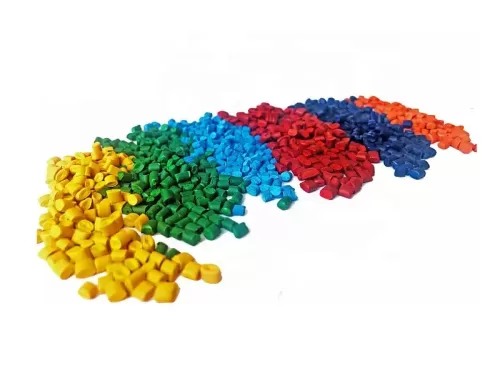
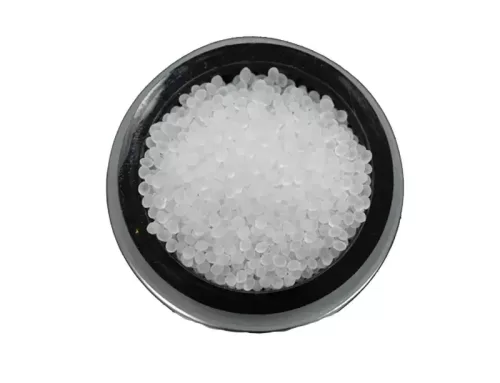
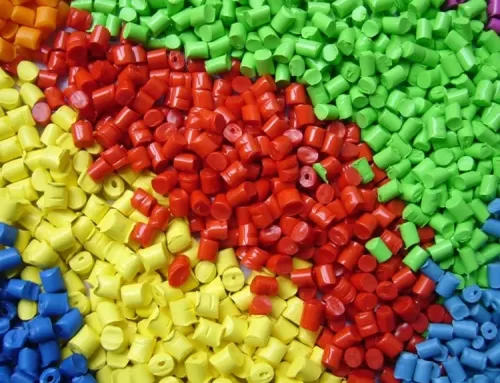
The final step in the production of metallic masterbatch is extrusion. The masterbatch is extruded into pellets, which can then be added to the plastic resin during the molding process.
Scope of Application:
Metallic masterbatch is widely used in various industries, including automotive, cosmetics, packaging, and consumer goods. Some of the applications of metallic masterbatch include:
- 1.Automotive Interiors: Metallic masterbatch is used in the production of automotive interior parts, such as dashboard trims, door handles, and center consoles. The metallic finish adds a premium look and feel to the interior of the car.
- 2.Cosmetics Packaging: Metallic masterbatch is used in the production of cosmetic packaging, such as lipstick tubes, mascara tubes, and compacts. The metallic finish adds a luxurious look and feel to the packaging, making it more attractive to consumers.
- 3.Consumer Goods: Metallic masterbatch is used in the production of various consumer goods, such as toys, household appliances, and electronics. The metallic finish adds a premium look and feel to the product, making it more appealing to consumers.
Conclusion:
Metallic masterbatch is a specialized colorant that adds a metallic finish to plastic products. The production process involves the selection of metallic pigments, coating them with a layer of polymer resin, mixing them with the polymer resin, and extruding the final product into pellets. Metallic masterbatch is widely used in various industries, including automotive, cosmetics, packaging, and consumer goods, due to its premium and luxurious appearance.