What is colored plastic granules
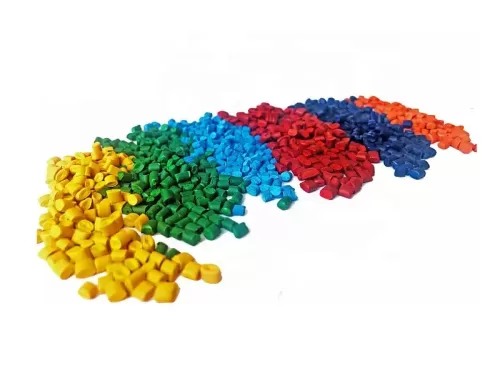
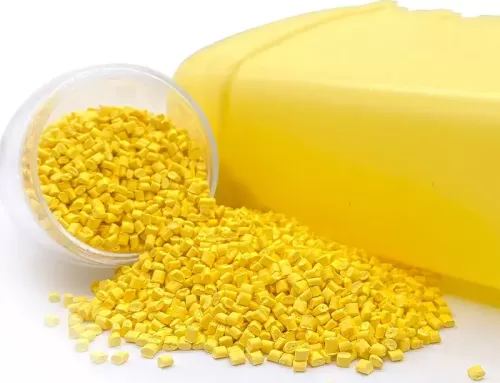
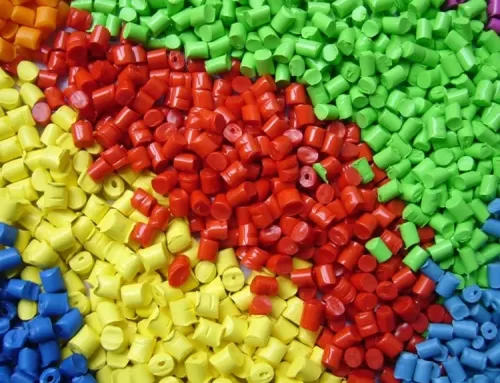
Colored plastic granules are small, uniformly-sized pieces of plastic that have been pigmented with a specific color. These granules are commonly used in the plastics industry as a raw material for the production of various plastic products.
The process of making colored plastic granules typically involves compounding plastic resin with color pigments and other additives in a mixer or extruder. The resulting mixture is then cooled and pelletized into small granules.
The use of colored plastic granules provides several advantages in the manufacturing process. They allow for precise control over the color and appearance of the final product, ensuring consistent and uniform color throughout the material. They also make it easier to mix and blend different materials together, resulting in a more homogeneous product.
Colored plastic granules are used in a wide range of applications, including the production of packaging materials, toys, automotive parts, and household items. They are available in a variety of colors, shades, and finishes to meet the needs of different applications and industries.
What is the difference between plastic granules and masterbatch
The main difference between plastic granules and masterbatch is that plastic granules are the raw material used in the manufacturing of plastic products, while masterbatch is a concentrated mixture of pigments, additives, and carrier resin that is added to the plastic during the manufacturing process to provide specific properties such as color or UV stabilization.
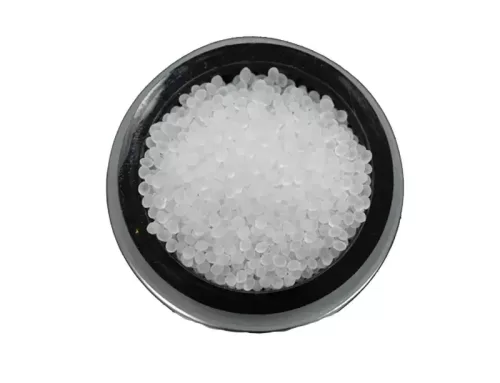
Plastic granules are typically made from a base resin, such as polyethylene or polypropylene, that is melted and extruded into small pellets or granules. These granules can then be used as a raw material in the production of various plastic products.
Masterbatch, on the other hand, is a pre-blended mixture of pigments, additives, and carrier resin that is added to the plastic during the manufacturing process to achieve specific properties. It is typically used in smaller quantities than plastic granules and can be easily incorporated into the plastic material during processing.
While plastic granules provide the base material for plastic products, masterbatch is added to the plastic to achieve specific properties such as color, UV stabilization, or flame retardancy. Masterbatch allows for precise control over the properties of the final product, making it an essential component in many plastic manufacturing processes.
In summary, plastic granules are the raw material used in the production of plastic products, while masterbatch is a concentrated mixture of additives and pigments that is added to the plastic during the manufacturing process to achieve specific properties.