Color pigment and color masterbatch are two different ways of adding color to plastic products.
Color pigment is a fine powder that is added directly to the plastic material during the manufacturing process. The pigment particles are dispersed evenly throughout the plastic, giving it a solid color. However, adding pigment directly to the plastic can be difficult to achieve an accurate and consistent color due to the risk of uneven dispersion or agglomeration.
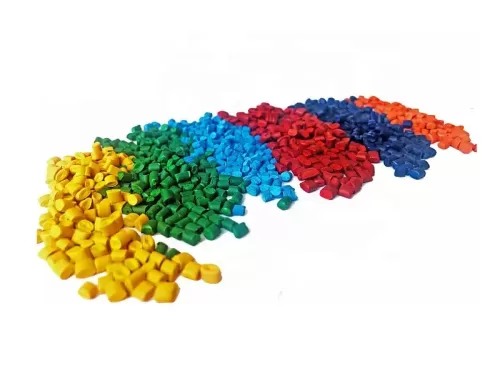
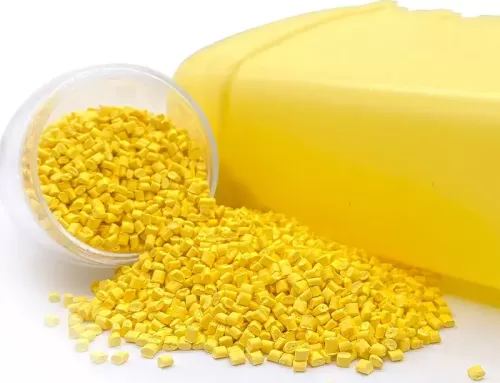
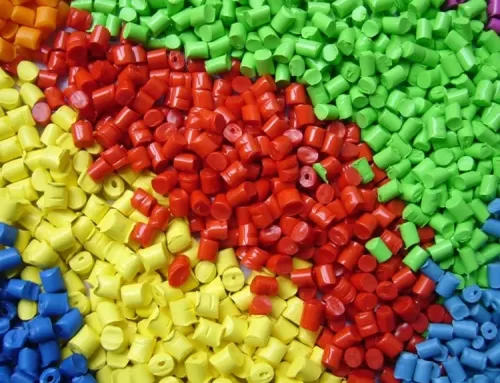
Color masterbatch, on the other hand, is a pre-dispersed mixture of color pigments and carrier resin, which is added to the base plastic material during the manufacturing process. The masterbatch is specifically designed to ensure that the pigments are evenly dispersed throughout the plastic, resulting in a consistent and accurate coloration of the final product. Using masterbatch can also provide flexibility to achieve a wide range of colors and shades by blending different masterbatch formulations.
In summary, the main difference between color pigment and color masterbatch is that pigments are added directly to the plastic, while masterbatch is a pre-dispersed mixture of pigments and carrier resin that is added to the plastic. Color masterbatch offers more precise and consistent color control and flexibility in color formulation, making it a popular choice in the plastic manufacturing industry.
How to choose masterbatch
Choosing the right masterbatch for your application involves several factors, including the desired color or functional properties, the base resin of your product, the processing conditions, and the regulatory requirements for your industry. Here are some general steps you can follow to help you choose a suitable masterbatch:
Identify the properties you need: Determine the specific color or functional properties you want the masterbatch to provide. For example, do you need a specific shade of red, or do you need a masterbatch with UV stabilizers for outdoor use?
Check the compatibility with the base resin: Consider the compatibility of the masterbatch with the base resin of your product. Make sure that the masterbatch is formulated to be compatible with your resin, and that it does not cause any negative effects on the physical or mechanical properties of the final product.
Consider the processing conditions: Understand the processing conditions of your production process, including the temperature, pressure, and shear rate, and make sure that the masterbatch is formulated to perform well under those conditions. Some masterbatches may have different processing requirements or limitations, so it’s important to choose a product that can be processed efficiently and effectively.
Evaluate the quality and consistency: Choose a masterbatch that is made with high-quality materials and that offers consistent color or functional properties. This will help ensure that your final product is of high quality and meets your specifications.
Consider regulatory compliance: Check whether the masterbatch meets relevant regulatory requirements for your industry or application, such as food contact regulations or environmental standards.
By considering these factors, you can choose a masterbatch that is suitable for your specific needs and that will help you achieve the desired properties and performance of your final product.