Black masterbatch is a widely used additive in the plastic industry, primarily for coloring and enhancing the physical properties of plastic products. Whether used for injection molding, extrusion, or other plastic manufacturing processes, black masterbatch plays a crucial role in ensuring that plastic products are not only aesthetically appealing but also durable and resistant to environmental factors. In this article, we will explore what black masterbatches are, their applications across various industries, the key benefits they provide, and how they are manufactured.
What Are Black Masterbatches?
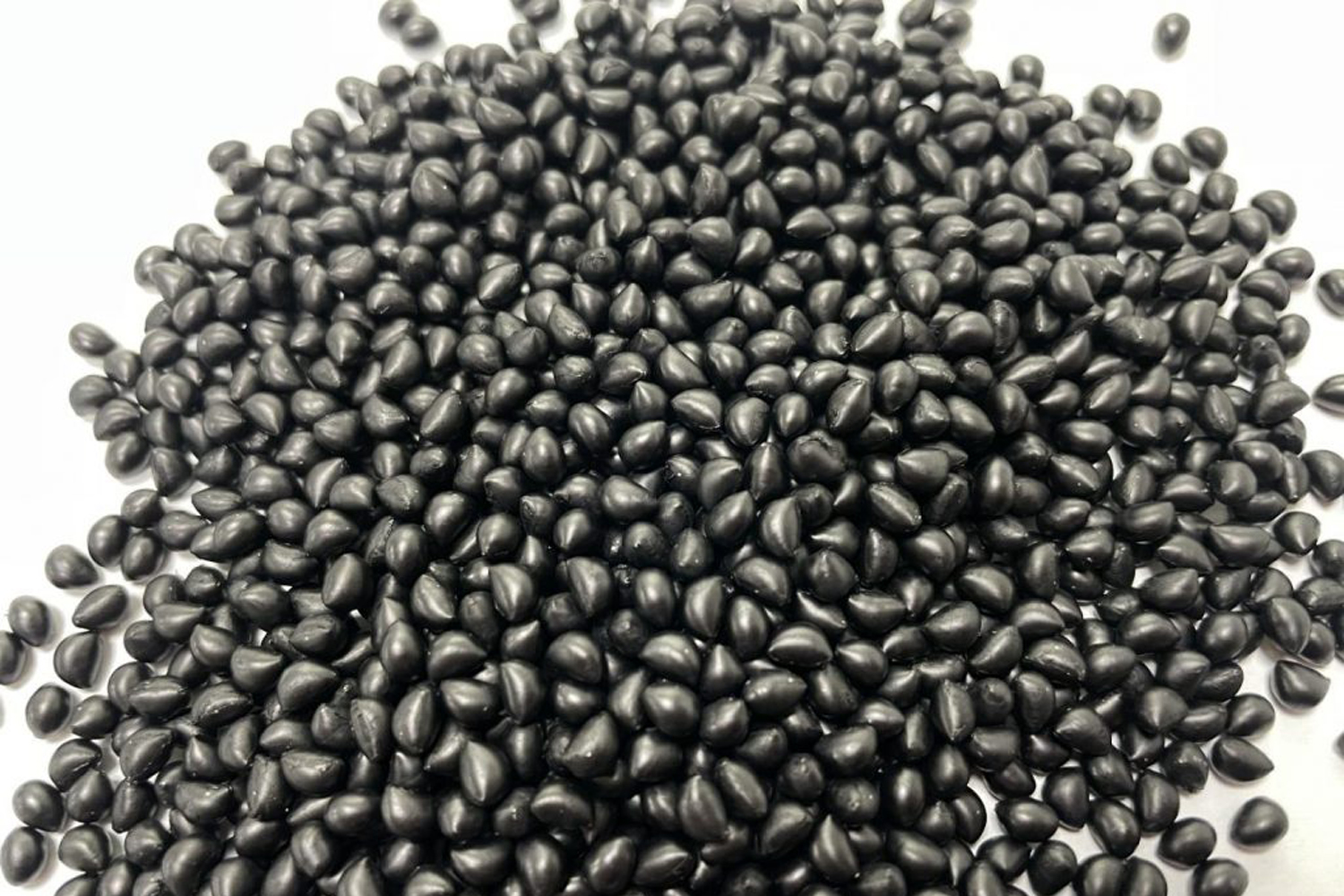
Black masterbatch is a concentrated mixture of carbon black, resins, and various additives used in the production of plastic products. The primary function of black masterbatch is to impart a deep, consistent black color to plastic materials. It is made by dispersing carbon black into a carrier resin, which can be polyethylene (PE), polypropylene (PP), polystyrene (PS), or any other plastic resin used in the final product.
The carbon black used in the masterbatch is a fine powder known for its excellent coloring properties, UV resistance, and thermal stability. Additionally, other additives like dispersants, wetting agents, and stabilizers are incorporated to ensure optimal performance and ease of processing. These additives help enhance the durability, performance, and processing characteristics of the plastic.
Applications of Black Masterbatches in Different Industries
Black masterbatches are highly versatile and find applications in various industries. Below are some of the most common sectors where black masterbatch is used:
1. Automotive Industry
Black masterbatch is commonly used in the automotive industry for coloring plastic parts, such as bumpers, dashboards, door panels, and trims. It offers consistent color while also improving the weather resistance, UV stability, and durability of the plastic components. It is particularly useful for parts exposed to high temperatures and external environmental conditions.
2. Packaging Industry
The packaging industry benefits greatly from black masterbatch, especially in the production of plastic bottles, containers, and films. It provides not only color but also the added benefit of UV resistance, which helps protect packaged goods from sunlight damage. The ability to create vibrant, long-lasting colors is crucial in ensuring that the packaging remains attractive and functional over time.
3. Construction Industry
Black masterbatch is used in the construction industry for manufacturing plastic pipes, fittings, roofing materials, and insulation. It helps to improve the longevity and stability of plastic construction materials by providing UV protection and increasing resistance to environmental elements. Black-colored plastic pipes, for instance, are particularly resistant to UV degradation, ensuring long-term performance even in outdoor applications.
4. Consumer Goods
From household appliances to toys, black masterbatch is a key ingredient in creating durable and aesthetically pleasing plastic products. It is used to manufacture items such as storage containers, electrical casings, and outdoor furniture. The high color consistency and performance-enhancing properties of black masterbatch make it ideal for a variety of consumer goods.
5. Textile Industry
In the textile industry, black masterbatch is used to color synthetic fibers and fabrics. It is commonly used in the production of carpets, clothing, and other textiles, ensuring uniform color and improved resistance to wear and tear. Black masterbatch also enhances the durability and strength of textile products, making them more resistant to fading and damage.
Key Benefits of Using Black Masterbatch
The use of black masterbatch offers several significant advantages in the plastic manufacturing process:
1. Superior Color Consistency
One of the primary benefits of black masterbatch is its ability to provide consistent color throughout the product. By using black masterbatch, manufacturers can ensure uniform pigmentation, which is essential for producing high-quality plastic products that meet branding and aesthetic standards.
2. UV Protection and Durability
Carbon black in black masterbatch acts as a natural UV stabilizer. It absorbs harmful ultraviolet radiation from the sun, preventing plastic products from degrading, fading, or becoming brittle over time. This UV resistance enhances the durability of plastic components, making them suitable for outdoor and high-exposure applications.
3. Enhanced Mechanical Properties
In addition to its coloring properties, black masterbatch improves the mechanical strength and thermal stability of plastic products. It provides increased resistance to heat, chemicals, and abrasion, making it ideal for applications that require durable and long-lasting materials.
4. Cost-Effectiveness
Black masterbatch offers a cost-effective solution for manufacturers who need to color large volumes of plastic products. Rather than using pre-colored resin, manufacturers can mix black masterbatch with base resins to achieve the desired color and performance properties, reducing material costs and waste.
5. Easy Processing and Handling
Black masterbatch is easy to handle and incorporate into plastic production processes. Its concentrated form ensures that only small quantities are needed, making it an efficient way to achieve consistent and high-quality results with minimal effort.
The Manufacturing Process of Black Masterbatches
The production of black masterbatch involves several steps, each designed to ensure optimal dispersion of carbon black and the best performance in the final product:
1. Selection of Raw Materials
The first step in manufacturing black masterbatch is selecting the right type of carbon black. Carbon black comes in different grades, with channel blacks and furnace blacks being the most common for plastic applications. The chosen grade depends on the desired properties, such as color intensity, UV stability, and thermal resistance.
2. Blending and Dispersing
The carbon black is mixed with the carrier resin in a high-speed mixer or extruder. This step ensures the carbon black is evenly dispersed throughout the resin, which is crucial for achieving a uniform color and performance. Dispersants are often added to facilitate the even distribution of carbon black and prevent agglomeration of particles.
3. Pelletizing
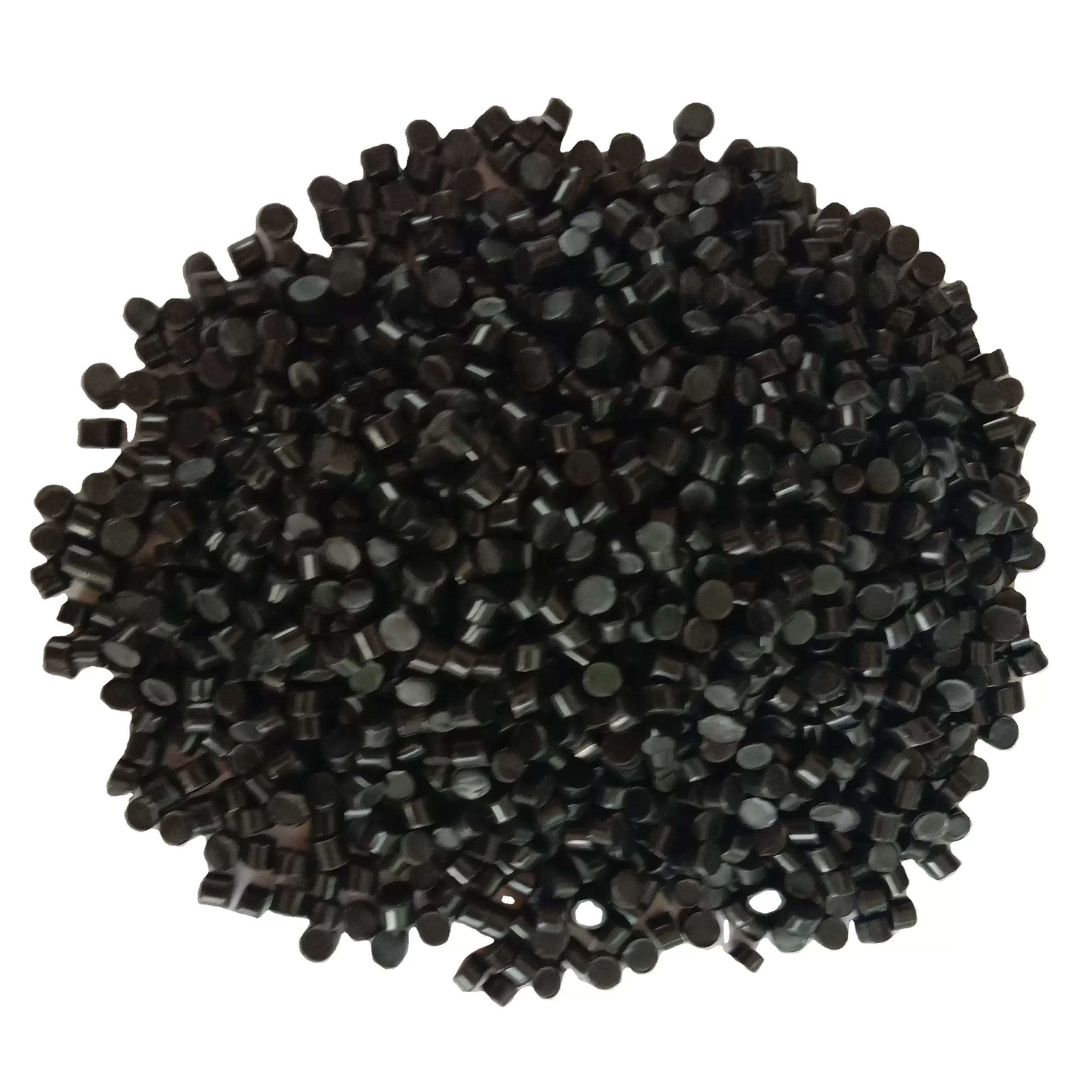
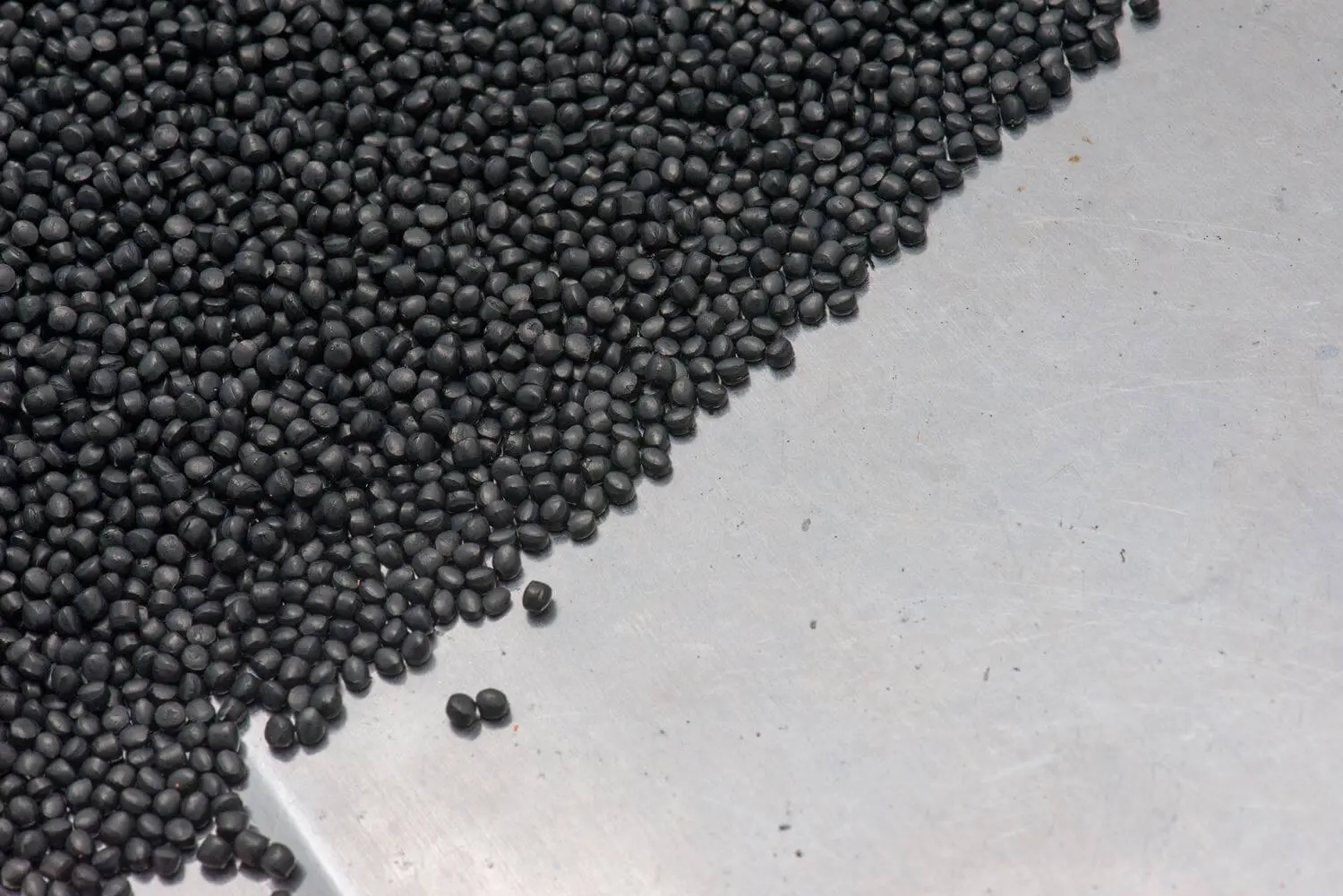
Once the mixture has been blended and evenly distributed, it is cooled and cut into small pellets. These pellets are the final form of the black masterbatch and are ready to be incorporated into the plastic manufacturing process.
4. Quality Control
Throughout the manufacturing process, strict quality control measures are in place to ensure the consistency and quality of the black masterbatch. Testing is done to ensure that the color is uniform and the performance characteristics, such as UV stability and heat resistance, meet the required standards.
Black masterbatch is a powerful and versatile tool in the plastics industry, offering enhanced color, UV protection, and improved mechanical properties. From automotive and packaging to consumer goods and textiles, its applications span a wide range of industries, making it a crucial additive for high-quality plastic production.
The manufacturing process of black masterbatch involves careful selection of materials, precise blending, and stringent quality control to ensure the best performance. With its numerous benefits, black masterbatch continues to be an essential component for creating durable, high-performance plastic products that can withstand environmental factors and meet the needs of various industries.
 Exploring Black Masterbatches Benefits Manufacturing Process