Color masterbatch is a vital material in the plastic industry, providing manufacturers with a reliable and efficient way to add vibrant and consistent colors to various plastic products. By integrating pigments and additives in a concentrated form, color masterbatch offers unmatched versatility, making it indispensable across numerous industries. This article will explain what color masterbatch is, how manufacturers produce it, and how different sectors apply it.
What is Color Masterbatch?
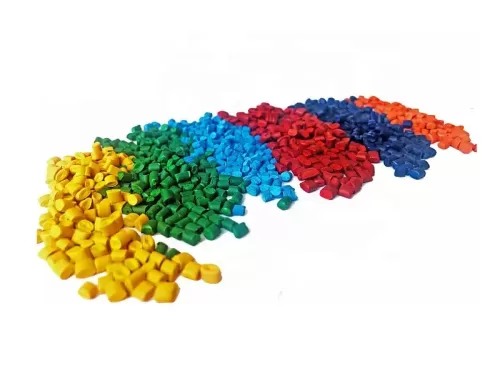
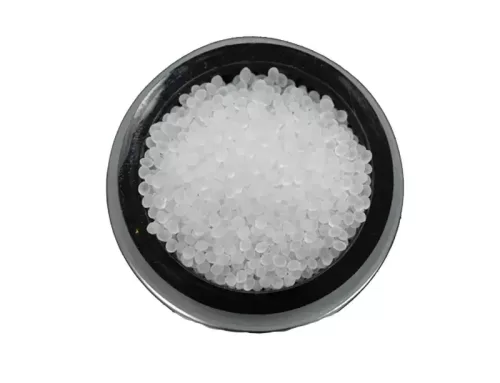
Color masterbatch is a concentrated mixture of pigments or dyes, additives, and a carrier resin. Manufacturers use it to color base polymers and enhance their properties. The carrier resin in the masterbatch usually matches the polymer used in the final product, such as polyethylene (PE), polypropylene (PP), or polyvinyl chloride (PVC).
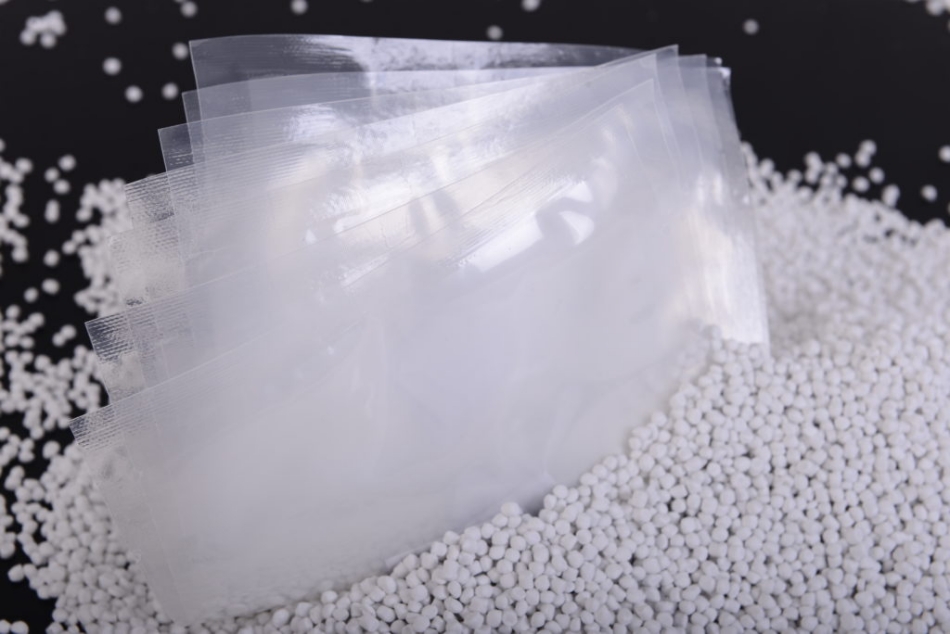
The pigments in color masterbatch, which can be organic or inorganic, provide the desired color and opacity. They are chosen for their heat stability and coloring efficiency. To further improve product performance, additives like UV stabilizers, antioxidants, or processing aids are often included.
How is Color Masterbatch Made?
The production of color masterbatch involves several steps:
Mixing Pigments and Additives: Manufacturers blend pigments and additives in precise amounts using high-speed mixers. This process ensures even distribution across the mixture.
Adding the Carrier Resin: A compatible carrier resin is introduced to the mixture to bind the pigments and additives.
Blending and Dispersion: The materials are blended at high temperatures and pressures until the mixture achieves a uniform dispersion. This ensures consistent coloration in the final product.
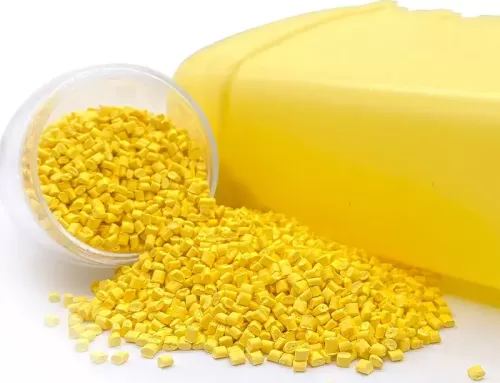
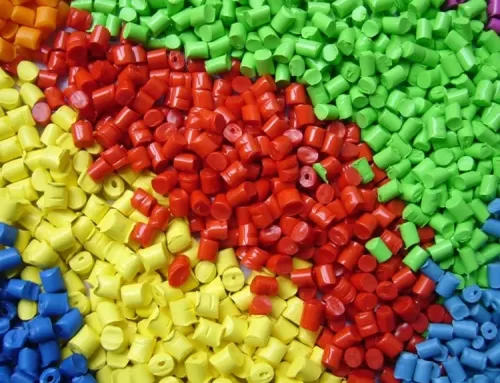
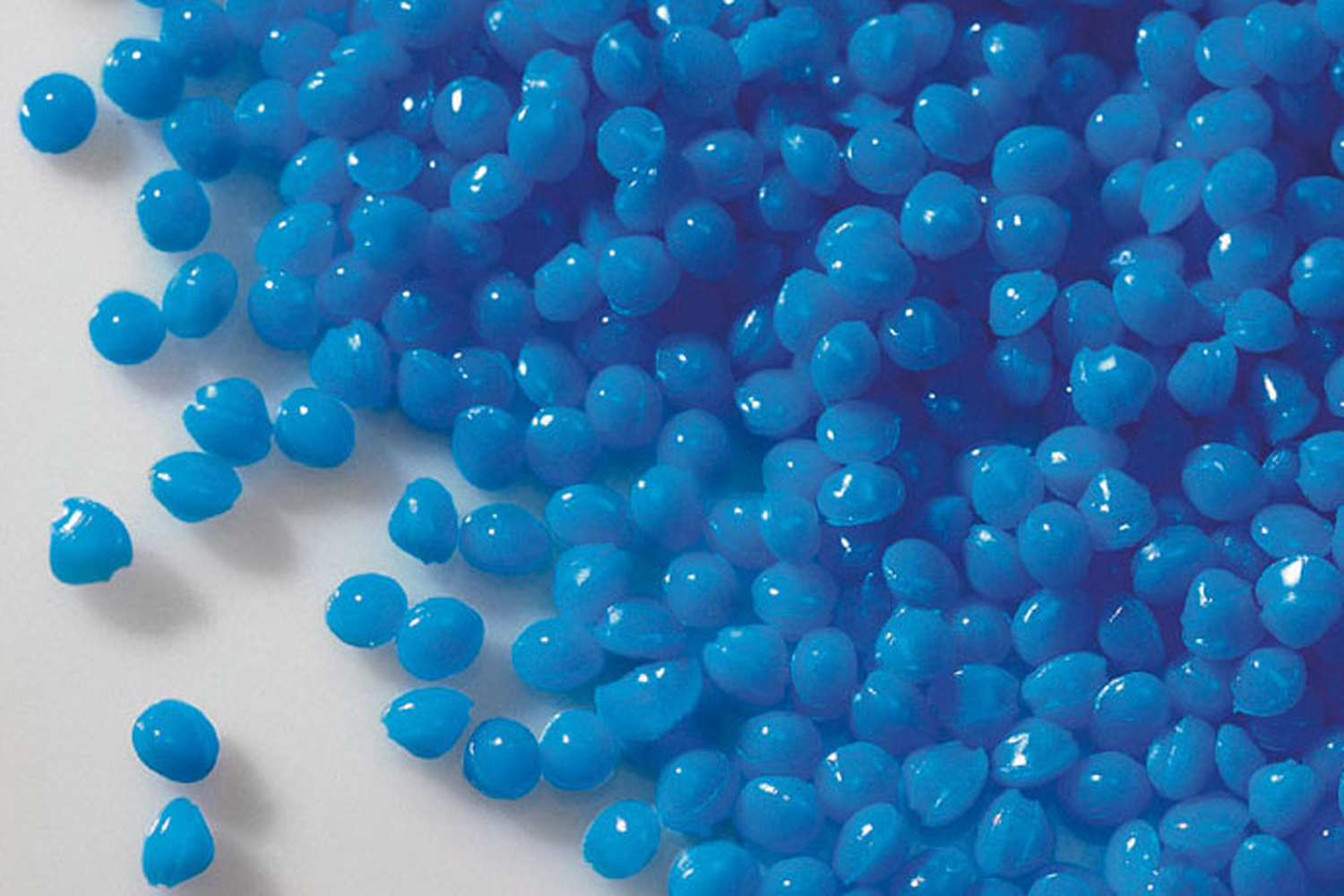
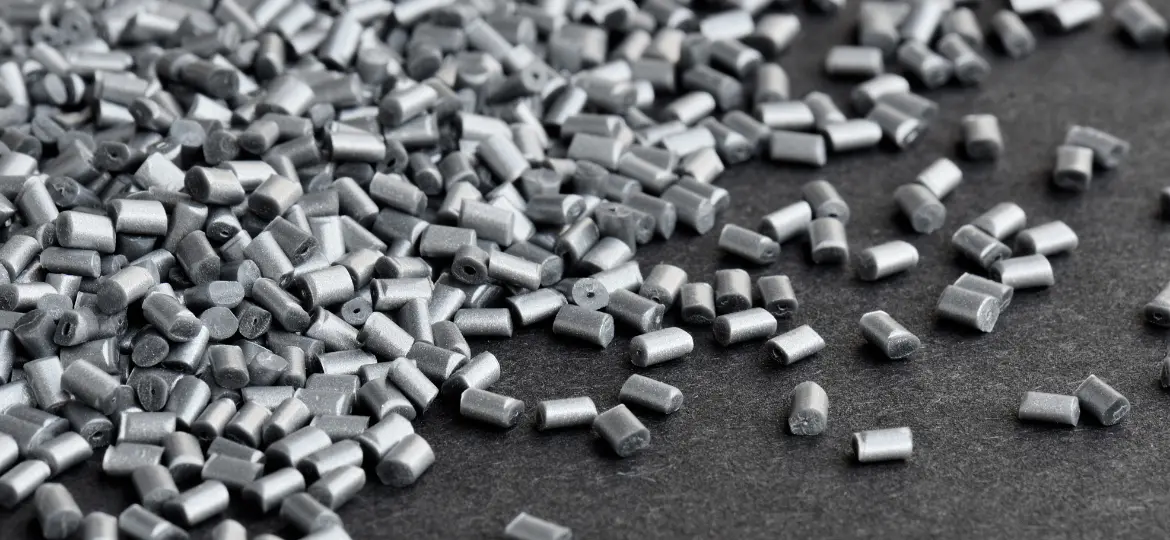
Cooling and Pelletizing: After blending, the mixture is cooled and cut into small, uniform pellets. These pellets are easy to store, transport, and use during plastic production.
Applications of Color Masterbatch in Various Industries
Color masterbatch finds use in multiple industries due to its ability to provide vibrant, uniform colors and improve the functionality of plastic products. Below are some of its major applications:
1. Plastics Industry
The plastics industry relies heavily on color masterbatch to color items like containers, toys, packaging, and household goods. Its capacity to create durable and visually appealing products makes it a go-to solution.
2. Automotive Industry
The automotive sector applies color masterbatch in dashboards, trims, bumpers, door panels, and other plastic parts. With its customizable properties, manufacturers create unique designs and brand-specific colors while ensuring resistance to UV rays, scratches, and heat.
3. Packaging Industry
The packaging industry benefits from color masterbatch to color bottles, films, caps, and containers. Its ability to deliver consistent, high-quality color aligns with the aesthetic and branding needs of this sector. Manufacturers often add UV stabilizers to the masterbatch to improve the durability of packaging materials exposed to sunlight.
4. Textile Industry
Synthetic fibers, carpets, and fabrics in the textile industry achieve vibrant and uniform coloring with color masterbatch. Its high level of customization ensures textiles meet both aesthetic and performance demands.
5. Construction Industry
Color masterbatch enhances the aesthetic appeal of pipes, fittings, roofing materials, and other plastic components in construction. It also includes additives like UV stabilizers and heat-resistant agents, ensuring these materials can withstand challenging environmental conditions.
6. Consumer Goods
Manufacturers of electronics, toys, storage items, and kitchenware frequently use color masterbatch to enhance the visual appeal of their products. Its versatility allows them to meet evolving market demands with bold and distinctive designs.
Benefits of Using Color Masterbatch
Using color masterbatch in manufacturing processes offers several advantages:
Consistent and Vibrant Colors
Color masterbatch creates a uniform color distribution throughout plastic products, eliminating the risk of streaks or variations. This consistency plays a crucial role in maintaining product quality and brand integrity.
Cost Efficiency
By allowing manufacturers to use uncolored base resins, color masterbatch lowers production costs. Since only the required amount of masterbatch is added, waste is minimized.
Customization
Manufacturers can customize color masterbatch to meet specific branding or design requirements, enabling them to create unique, market-differentiating products.
Enhanced Performance
Color masterbatch can include additives that improve the durability and functionality of plastic products. For instance, UV stabilizers protect materials from sun damage, while heat-resistant pigments prevent color fading under high temperatures.
Increased Productivity
The use of masterbatch simplifies the production process, reducing downtime and costs associated with changing colors between production runs. This efficiency ensures consistent results and boosts overall productivity.
Reduced Waste
Because masterbatch allows manufacturers to produce only the required quantity of colored plastic, it reduces material waste and prevents the overproduction of pre-colored resins.
Color Masterbatch Manufacturing in China
China has established itself as a global leader in the production of color masterbatch. Its manufacturers utilize advanced facilities and expertise to develop high-quality products that cater to diverse industries.
Chinese companies focus heavily on precision in color matching, ensuring that every batch meets exact specifications. Their customizable formulations include performance-enhancing additives, making them ideal for automotive, packaging, and construction applications.
Sustainability has become a priority for many Chinese manufacturers. They are developing eco-friendly masterbatch solutions compatible with biodegradable plastics and recycled polymers. This innovation aligns with the growing demand for sustainable plastic products worldwide.
Color masterbatch remains a cornerstone of modern plastic manufacturing. Its ability to provide vibrant and consistent colors, combined with performance-enhancing properties, makes it a critical material across industries.
The applications of color masterbatch extend from automotive and packaging to textiles, construction, and consumer goods. Each sector benefits from its versatility and customization capabilities.
With China’s advanced production capabilities and focus on innovation, the global demand for high-quality, sustainable color masterbatch will continue to grow. As manufacturers seek cost-effective and efficient solutions, color masterbatch will remain an indispensable resource for producing durable, aesthetically pleasing, and high-performance plastic products.