Masterbatch is vital in plastic manufacturing, especially for PVC products. It enhances the color and properties of plastic products. This article covers the definition of masterbatch, its advantages, and key types used in PVC production.
Definition of Masterbatch
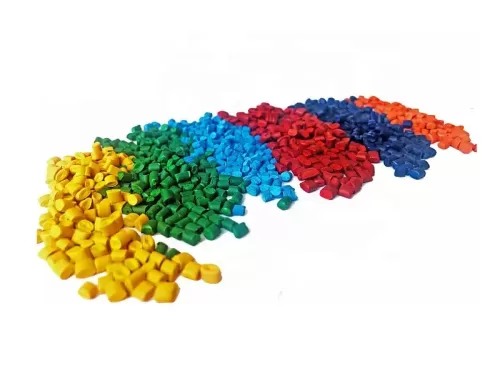
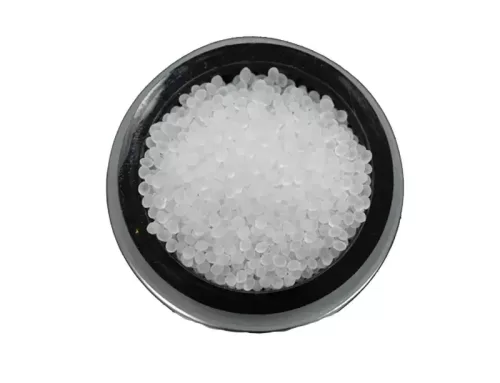
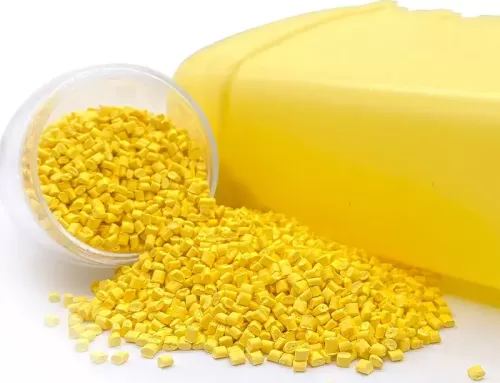
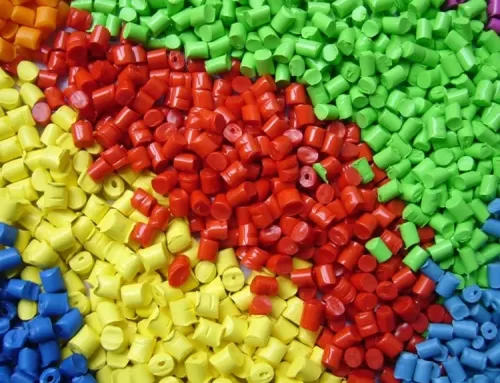
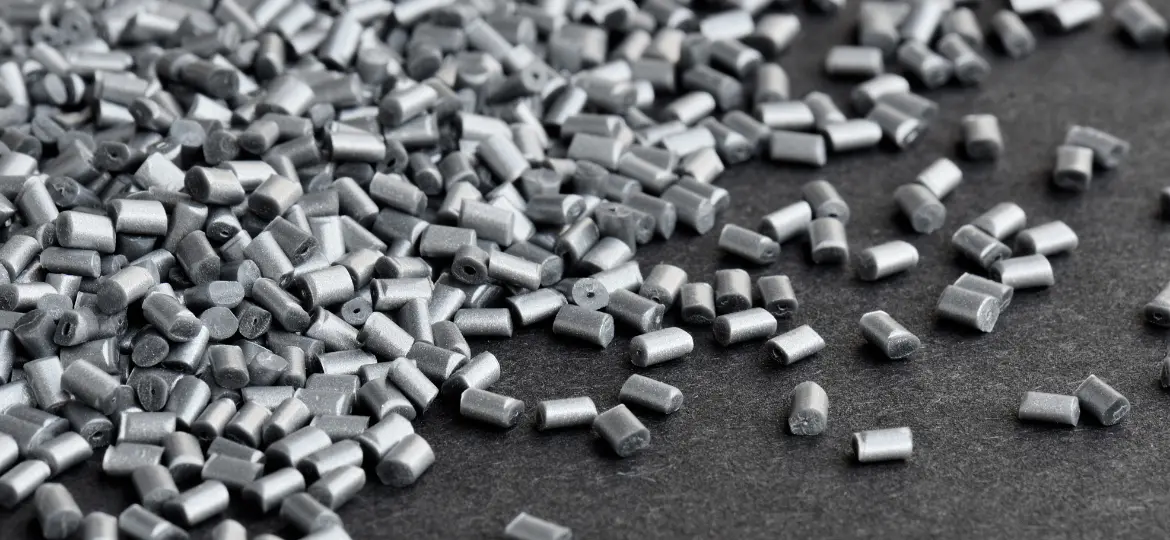
Masterbatch is a concentrated blend of pigments, additives, and a polymer base. It adds color or functional properties to plastic products. It comes in solid forms like pellets or micropellets and is mixed into the base polymer during production. The polymer base helps distribute pigments and additives evenly throughout the plastic.
Pigments can be organic or inorganic and determine the color and certain properties of the final product. Additives enhance the product with traits like UV resistance, anti-static properties, or flame retardancy. This combination ensures uniform color and consistent product quality.
Advantages of Using Masterbatch
Masterbatch offers several advantages in plastic manufacturing, especially in terms of quality, efficiency, and safety:
Customized Formulations: Masterbatch can be tailored to meet specific needs. This ensures the final product has the right properties, such as color and durability.
Safe and Easy Handling: Unlike powder pigments, masterbatch does not create airborne particles. This makes handling safer and the workplace cleaner. It also reduces the risk of skin contact during use.
Improved Product Quality: Masterbatch ensures the even distribution of pigments, leading to consistent color and texture in the final product. This reduces the likelihood of defects like color blotches.
Precise Dosing and Less Waste: The pellet form of masterbatch allows for accurate dosing, minimizing waste and ensuring efficient production.
Prevents Cross-Contamination: Masterbatch minimizes the risk of contamination between different colors and additives during production. This ensures product consistency when producing multiple items.
Perfect Color Consistency: Masterbatch ensures color uniformity across batches. This is especially important in industries where consistent appearance is key.
Types of Masterbatch for the PVC Industry
Masterbatch is essential in enhancing PVC products by adding color and improving performance. PVC is used in various applications, from pipes to cables. Below are key types of masterbatch for PVC production:
General-Purpose PVC Masterbatch: This is widely used for applications like pipes and films. It ensures even pigment dispersion and easy mixing with PVC resins.
High-Dilution PVC Masterbatch: This type ensures quick, even mixing, making it ideal for rigid PVC products that require smooth finishes.
Fine Particle PVC Masterbatch: With smaller particles, this masterbatch improves pigment dispersion. It’s perfect for applications needing precise color and texture control, such as films and coatings.
PVC Masterbatch for Calendering: Designed for the calendering process, it ensures color consistency and a smooth surface in PVC sheets.
Powder Masterbatch: Sometimes, masterbatch is supplied in powder form. It disperses quickly, making it suitable for specific PVC production processes.
Masterbatch for Cables: This masterbatch is essential in cable manufacturing. It provides color coding and improves durability. It also enhances flame retardancy and UV protection, ensuring the cables last longer and meet safety standards.
Masterbatch is a key element in PVC production. It ensures consistent color, improves product quality, and enhances the performance of plastic products. Whether used for pipes, profiles, films, or cables, masterbatch offers precise solutions for PVC applications.
As demand for advanced and eco-friendly products grows, masterbatch technology will continue to evolve. The future of masterbatch in PVC lies in its adaptability and ability to offer high-performance, sustainable solutions.
 Masterbatch in PVC Industry Definition, Benefits, and Key Types