Calcium carbonate masterbatch plays a crucial role in the plastic industry, significantly contributing to profitability for manufacturers and investors. By acting as a filler material in plastic production, it helps reduce costs and enhances the properties of the final products. In this article, we explore how calcium carbonate powder is transformed into masterbatch, discuss its economic advantages, and highlight its applications in various sectors of the plastic industry.
Calcium Carbonate Masterbatch: A Profitable Component for Investors
Calcium carbonate (CaCO3) masterbatch is primarily composed of calcium carbonate powder, base resins, and plastic additives. This compound is highly favored due to its affordability and wide availability in nature. The CaCO3 powder used in masterbatch production is derived from several natural sources, including calcite, limestone, chalk, marble, and aragonite, or minerals like dolomite. These raw materials have been utilized for thousands of years across various industries due to their versatility and functional properties.
In recent years, the plastic industry has become one of the largest consumers of calcium carbonate, especially in the production of filler masterbatch. Calcium carbonate masterbatch is highly valued for its ability to reduce production costs while maintaining or even enhancing the quality of the final product. For investors, this translates into higher profitability, as the masterbatch helps minimize the use of expensive base resins by increasing the overall volume of the material at a lower cost.
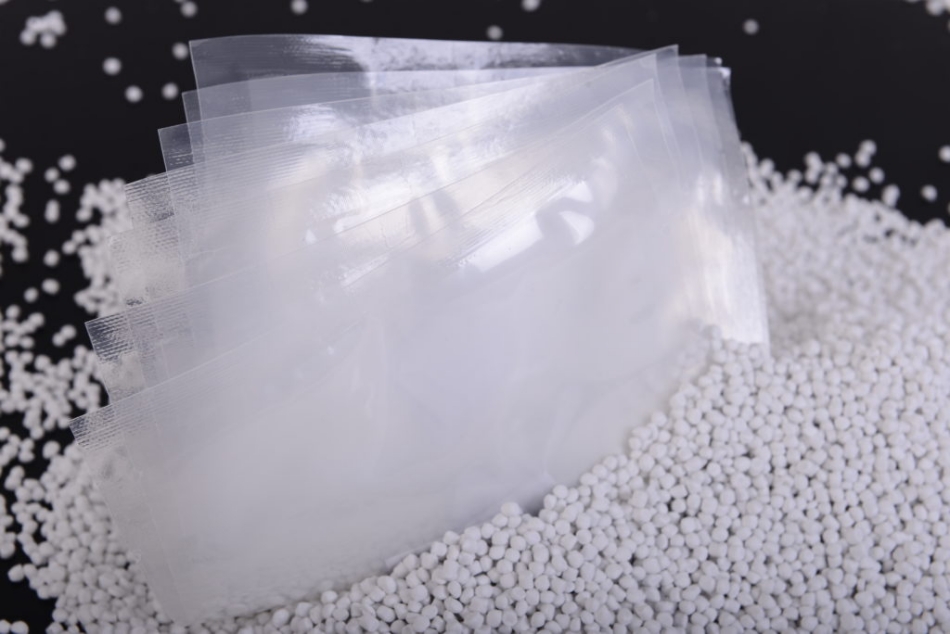
In the context of plastic fillers, calcium carbonate serves as an insoluble mineral that is added to plastics to increase volume and improve mechanical properties like durability and rigidity. However, it is important to use CaCO3 in balanced proportions. When calcium carbonate is added in high concentrations, it may compromise certain physical properties of the material, such as impact resistance. Therefore, achieving the optimal balance between cost savings and maintaining product quality is essential.
From Calcium Carbonate Powder to Producing Calcium Carbonate Masterbatch
The journey from calcium carbonate powder to masterbatch production begins with sourcing CaCO3 from limestone quarries. Many countries, such as Vietnam, are rich in limestone resources, making calcium carbonate an easily accessible and cost-effective raw material. In Vietnam alone, there are approximately 125 limestone quarries with estimated reserves of about 13 billion tons, concentrated in the northern regions and southernmost provinces.
Calcium carbonate powder is classified into two main types:
Ground Calcium Carbonate (GCC): This type is produced by grinding natural limestone, followed by the removal of impurities and sorting by particle size for different applications. GCC is the most common form of CaCO3 used in filler masterbatch production.
Precipitated Calcium Carbonate (PCC): PCC is synthesized through a chemical process in which limestone is first calcined to produce quicklime and carbon dioxide. The quicklime undergoes hydration to form calcium hydroxide, which is then combined with carbon dioxide to yield PCC. Although PCC is purer and more finely processed than GCC, its higher cost typically limits its use to industries like cosmetics and food rather than filler masterbatch production.
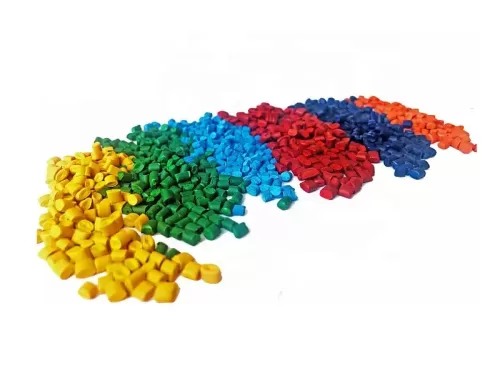
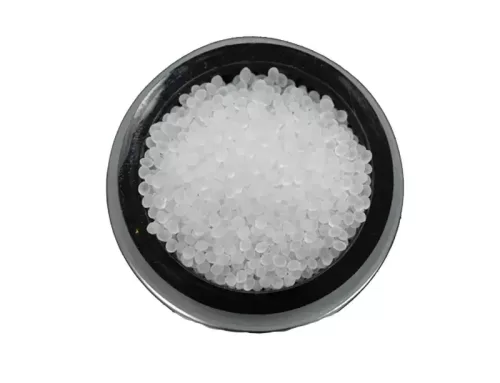
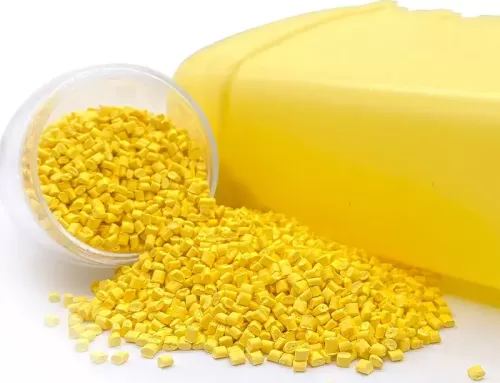
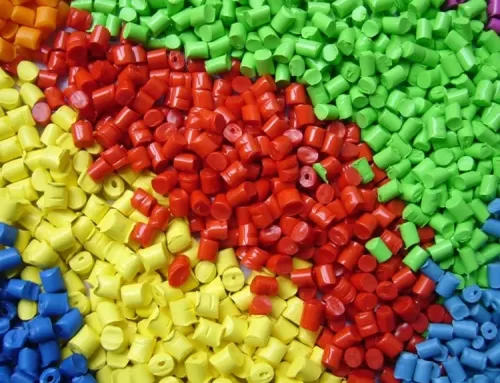
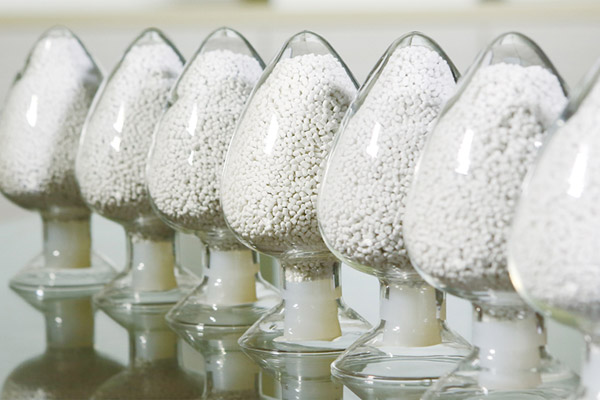
In the production of calcium carbonate masterbatch, the GCC powder is blended with plastic resins and other additives to create a granulated material. This masterbatch can then be incorporated into various types of plastic production, offering manufacturers a cost-effective means of enhancing product quality while lowering raw material expenses.
Applications of Calcium Carbonate Masterbatch in the Plastic Industry
Calcium carbonate masterbatch has gained widespread popularity across multiple sectors of the plastic industry due to its cost-saving benefits and its ability to improve the properties of finished plastic products. Here are some of the major applications:
Plastic Films and Sheets: One of the most prominent uses of calcium carbonate masterbatch is in the production of plastic films, including thin and thick films used in packaging. By acting as a filler, it increases the thickness of plastic films without requiring more expensive base resins. This results in more durable and flexible films, while reducing overall production costs. Additionally, the masterbatch can be used in the production of heat-resistant films, shrink films, and evaporative plastic films.
Injection Molding: In the injection molding process, calcium carbonate masterbatch helps manufacturers produce stronger and more rigid plastic products, making it ideal for applications such as spare parts, equipment, and household products. The masterbatch can enhance the structural integrity of injection-molded products, offering improved performance and durability.
Polyethylene (PE) and Polypropylene (PP) Plastic Production: Calcium carbonate masterbatch is commonly used in the production of PE and PP plastics to prevent problems like fibrillation or segmentation. These fillers improve the processing properties of the material, allowing for better extrusion and molding results.
Construction and Building Materials: In the construction industry, calcium carbonate masterbatch is incorporated into products like pipes, conduits, and insulation materials. Its use in these products enhances their strength, rigidity, and weather resistance, making them more durable and long-lasting.
Automotive Parts: The automotive industry also benefits from calcium carbonate masterbatch in the production of lightweight and durable components. By reducing the overall material cost while improving mechanical properties, the masterbatch helps manufacturers produce more efficient and cost-effective vehicle parts.
The Future of Calcium Carbonate Masterbatch Production
To ensure consistent supply and maximize profitability, several companies in the masterbatch industry are investing in the direct exploitation of calcium carbonate and talc mines. By securing their own raw materials, these companies aim to gain more control over the quality and cost of the input materials, optimizing their production processes. With access to vast limestone resources, manufacturers can achieve greater independence, allowing them to stabilize their supply chain and reduce reliance on external suppliers.
Furthermore, these investments in mining also provide the flexibility to select higher-grade raw materials, improving the quality and performance of the calcium carbonate masterbatch. This autonomy ensures that manufacturers can continue offering competitive prices while meeting the growing demand for high-performance plastic products in various industries.
Calcium carbonate masterbatch offers a highly cost-effective solution for manufacturers and investors in the plastic industry. By reducing production costs and enhancing the physical properties of plastic products, this compound has become an indispensable component in various sectors, including packaging, automotive, and construction. As the demand for durable, affordable, and high-quality plastic products continues to grow, calcium carbonate masterbatch will remain a key factor in driving profitability for investors and manufacturers alike.
 Calcium Carbonate Masterbatch Enhance Profitability for Investors