In the world of material manufacturing, particularly in the production of colored plastics, two key terms often come up: masterbatch and pigment. While they both contribute to the coloring process, they are not the same thing and have distinct properties and applications. This article aims to clarify the differences between masterbatch and pigment.
What is Masterbatch?
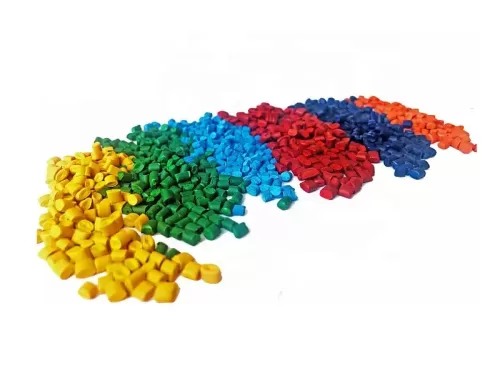
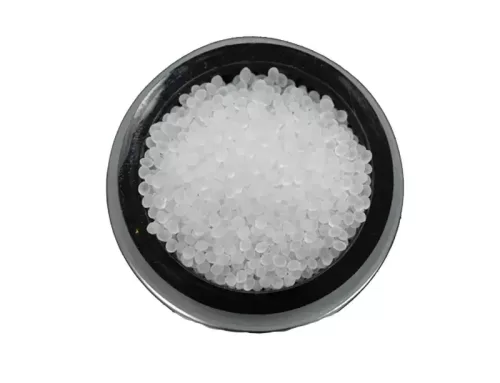
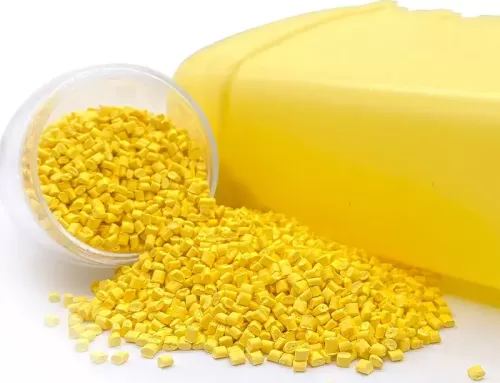
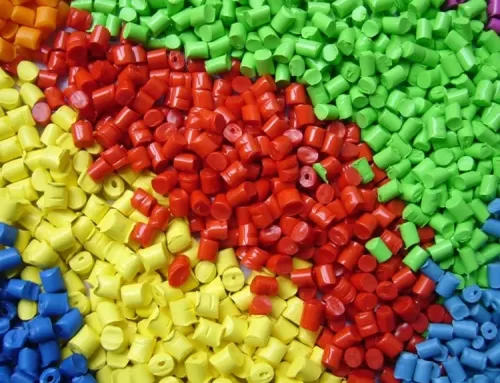
Masterbatch is a concentrated mixture of pigments and/or additives encapsulated during a heat process into a carrier resin, which is then cooled and cut into a granular shape. These granules are used in the plastic manufacturing process to color raw polymer.
What is Pigment?
Pigment, on the other hand, is a dry coloring material that is insoluble in the medium in which it is used. It provides color to materials like plastic, paint, ink, and cosmetics. Pigments are used in various forms, including powder and paste.
Comparison Table
| Feature | Masterbatch | Pigment |
| Form | Granules | Powder/Paste |
| Composition | Pigment + Carrier Resin + Additives | Pure coloring material |
| Ease of Use | Easy to handle and less messy | Requires careful handling, can be messy |
| Dispersion | Uniform dispersion in the polymer | Requires more effort for even dispersion |
| Application | Primarily in plastics | Plastics, paints, inks, cosmetics |
| Cost | Generally higher due to added carrier and additives | Lower as it is a raw material |
| Concentration | Lower pigment concentration | Highly concentrated color |
| Customization | Easily customizable in terms of color and properties | Color customization possible, but properties are fixed |
Conclusion
While both masterbatch and pigment play crucial roles in the coloring of materials, their differences in form, composition, ease of use, and applications make them suitable for specific purposes. Understanding these differences helps manufacturers choose the right material for their specific needs, ensuring quality and efficiency in the production process.
More: