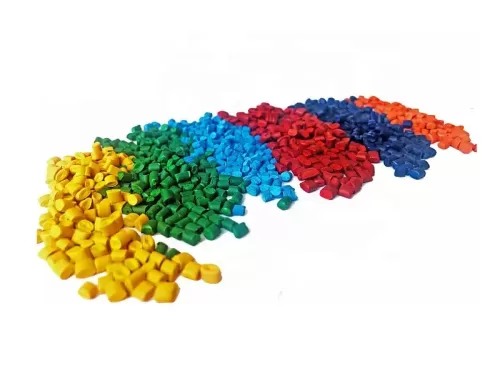
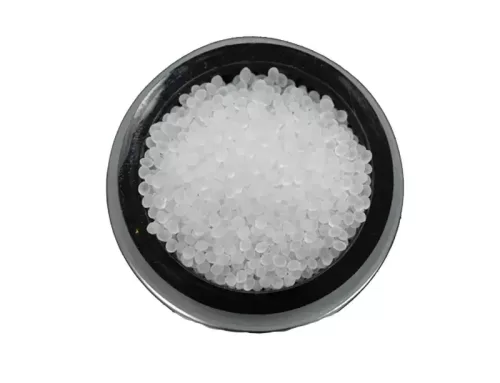
Transparent masterbatch plays a pivotal role in the plastics industry by providing a solution to achieve transparency and clarity in a wide range of plastic products. This article delves into the characteristics, applications, and production processes associated with it.
1. Characteristics:
Clarity and Transparency: The primary characteristic is the ability to impart clarity and transparency to plastic products.
UV Resistance: Many formulations include UV stabilizers to ensure that transparency is maintained over prolonged exposure to sunlight.
Compatibility: It is designed to be compatible with various base resins, including polyethylene (PE), polypropylene (PP), and polystyrene (PS).
Enhanced Aesthetics: It enhances the visual appeal of products by providing a glass-like appearance.
2. Applications:
Packaging: Widely used in the production of transparent packaging materials, including bottles, films, and containers.
Consumer Goods: Applied in the manufacturing of transparent consumer goods such as kitchenware, storage containers, and display items.
Medical Devices: It is suitable for medical applications where clarity and visibility are critical.
Automotive: Used for clear parts in automotive applications, including lenses, windows, and interior components.
3. Manufacturing Process:
Resin Selection: The choice of a compatible base resin is crucial, and it varies based on the transparency requirements of the final product.
Additives: Its formulations may include nucleating agents, antioxidants, and other additives to enhance performance.
Compounding: The compounding process involves uniformly mixing the base resin with additives and it in an extruder.
Pelletizing: The molten mixture is pelletized to form small, transparent pellets.
4. Advantages:
Optical Clarity: The primary advantage is the achievement of optical clarity and transparency in the final plastic product.
Ease of Processing: Ith often aids in the processing of plastics by improving flow characteristics.
Customization: Manufacturers can tailor formulations to meet specific transparency levels, UV resistance, or other performance criteria.
5. Challenges:
Maintaining Clarity: Achieving and maintaining high levels of clarity throughout the production process can be challenging and requires precise control.
Cost Considerations: The cost of it may be higher than that of opaque counterparts, influencing material selection for certain applications.
Transparent masterbatch is a key enabler for manufacturers seeking to incorporate clarity and transparency into their plastic products. Whether in packaging, consumer goods, medical devices, or automotive components, it contributes to the aesthetic appeal and functionality of a diverse array of transparent plastic applications. Ongoing advancements in formulations and processing techniques continue to expand the possibilities for transparent plastics in various industries.
More: