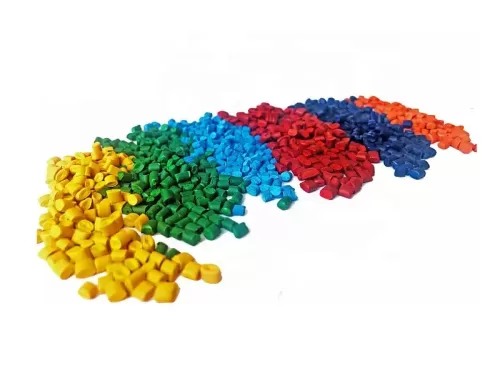
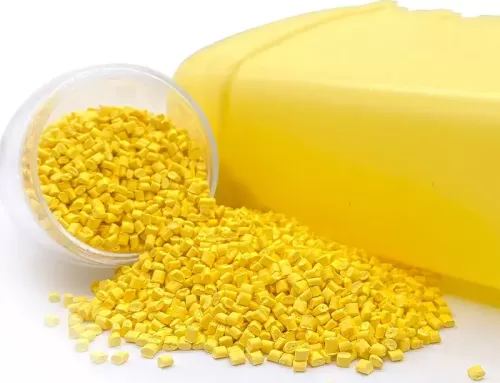
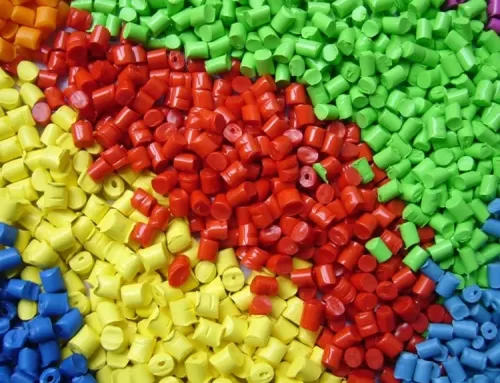
In the ever-evolving landscape of material science, biocompatibility has become a crucial consideration. Whether in medical devices, pharmaceuticals, or biotechnology, ensuring that materials are compatible with biological systems is paramount. Color masterbatches, while primarily known for their aesthetic contributions, play a significant role in enhancing biocompatibility in various applications. This article explores how color masterbatches contribute to biocompatibility and the vital role they play in the intersection of technology and biology.
1. Medical Devices and Implants:
Color masterbatches find extensive use in the production of medical devices and implants. By incorporating biocompatible additives, these masterbatches ensure that devices, ranging from surgical instruments to prosthetics, are not only visually appealing but also safe for implantation within the human body. Biocompatible color masterbatches prevent adverse reactions, ensuring patient safety.
2. Pharmaceutical Packaging:
Pharmaceutical packaging requires materials that do not interact with the drugs they contain. Biocompatible color masterbatches are essential in pharmaceutical applications, ensuring that both the packaging material and the colors used are inert, preventing contamination of medications. This is particularly crucial for sensitive drugs and vaccines.
3. Biotechnology and Research Equipment:
In laboratories and biotechnological research, equipment often comes into contact with living organisms or biological samples. Color masterbatches, when designed to be biocompatible, ensure that the equipment’s visual elements don’t compromise the integrity of biological experiments. This is vital for maintaining the accuracy and reliability of research outcomes.
4. Food and Beverage Industry:
Biocompatible color masterbatches are utilized in food packaging, ensuring that the colors used in packaging materials do not leach harmful substances into the food. This application is critical in maintaining the safety of consumables, aligning with stringent regulatory standards in the food and beverage industry.
5. Cosmetic and Personal Care Products:
Biocompatibility is equally vital in cosmetic and personal care products. Color masterbatches used in cosmetics, lotions, and toiletries must be biocompatible to prevent allergic reactions and skin irritations. Biocompatible color masterbatches enable the creation of vibrant and visually appealing products while ensuring user safety.
Conclusion:
Color masterbatches, engineered for biocompatibility, have revolutionized various industries by offering both aesthetics and safety. Their role in enhancing the biocompatibility of materials used in medical, pharmaceutical, biotechnological, food, and cosmetic applications is indispensable. As technology advances, the development of biocompatible color masterbatches continues to drive innovation, enabling the creation of products that are not only visually striking but also harmonious with the complexities of the biological world.