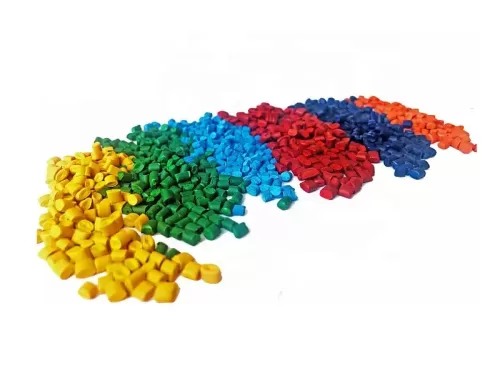
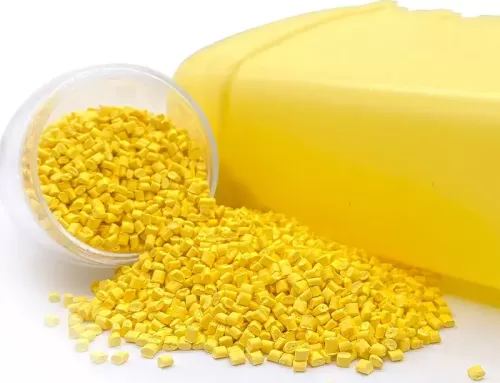
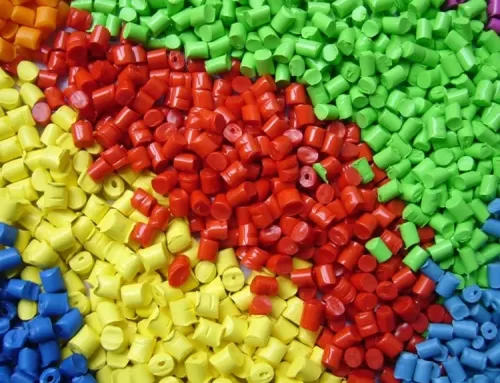
In the ever-evolving landscape of industrial applications, high-temperature resistance is a prerequisite for various products. Color masterbatches, with their ability to withstand elevated temperatures, play a pivotal role in ensuring both aesthetic appeal and functionality in high-heat environments. This article explores the crucial role of color masterbatches in high-temperature resistance applications.
1. Enhancing Aesthetic Longevity:
In environments with high temperatures, materials tend to degrade and lose color vibrancy over time. Color masterbatches are engineered with heat-resistant pigments and carriers, preserving the aesthetic appeal of products even in extreme heat conditions. This longevity ensures that products maintain their visual appeal over extended periods.
2. Thermal Stability in Engineering Plastics:
Engineering plastics like polyamide (PA), polycarbonate (PC), and polyphenylene sulfide (PPS) are widely used in high-temperature applications. Color masterbatches formulated specifically for these materials provide excellent thermal stability, preventing color fading, distortion, or degradation, thus maintaining the material’s integrity under heat stress.
3. High-Heat Industrial Processes:
Industries such as automotive, aerospace, and electronics often involve high-heat manufacturing processes like injection molding and extrusion. Color masterbatches, designed for compatibility with these processes, ensure that the color remains consistent and vibrant even when subjected to extreme temperatures, contributing to the overall quality of the end products.
4. Flame Retardant and Heat-Resistant Masterbatches:
For applications requiring both high-temperature resistance and flame retardancy, specialized color masterbatches are developed. These masterbatches not only withstand heat but also meet stringent safety standards by inhibiting the spread of flames, making them ideal for applications where fire safety is a concern.
5. Solar and Automotive Industries:
In solar panels and automotive components exposed to direct sunlight, color masterbatches provide UV resistance and heat stability. By preventing color fading and material degradation caused by prolonged sun exposure, these masterbatches ensure the longevity and visual appeal of products in outdoor and automotive applications.
Conclusion:
Color masterbatches engineered for high-temperature resistance play a vital role in preserving the visual appeal, functionality, and safety of products in extreme heat conditions. By choosing the right formulations, industries can create durable, aesthetically pleasing, and long-lasting products that withstand the challenges posed by high temperatures, ensuring customer satisfaction and product reliability.