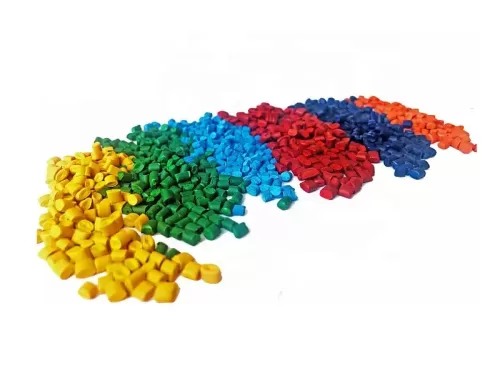
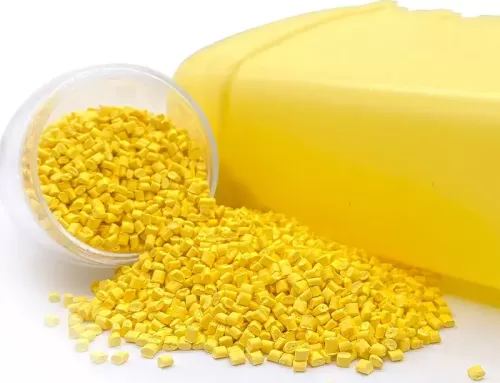
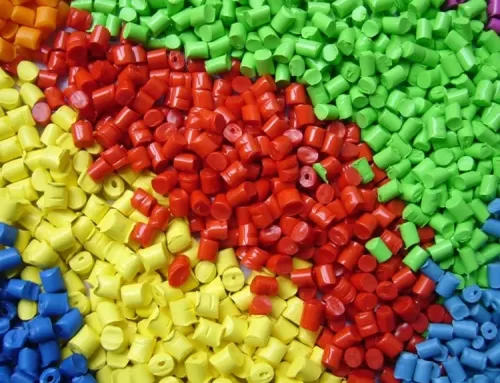
Color masterbatches, integral components of the packaging industry, play a pivotal role in enhancing the aesthetic appeal of products while ensuring their safety and sustainability. In the realm of food packaging, the utilization of color masterbatches has witnessed significant advancements, particularly concerning sustainability and safety. This article delves into the innovative and eco-friendly applications of color masterbatches in food packaging, highlighting their sustainable practices and ensuring consumer safety.
1. Sustainable Color Masterbatches:
In recent years, the packaging industry has been striving for sustainability. Color masterbatches contribute significantly to this endeavor by:
Utilizing Bio-Based Materials: Incorporating bio-based materials into color masterbatches reduces dependency on fossil fuels and promotes the use of renewable resources.
Recyclable Masterbatches: Designing masterbatches that are compatible with recycling processes facilitates the creation of a circular economy within the food packaging sector.
Reducing Carbon Footprint: Sustainable color masterbatches help in reducing the overall carbon footprint by employing eco-friendly manufacturing processes and materials.
2. Ensuring Safety in Food Packaging:
Safety is paramount in food packaging. Color masterbatches enhance safety by:
Compliance with Regulations: Masterbatch manufacturers adhere to stringent regulations, ensuring that their products meet global food safety standards.
Migration Testing: Rigorous migration testing is conducted to guarantee that no harmful substances leach from the packaging into the food product.
Certified Pigments: Implementing certified pigments ensures that the colors used in masterbatches are safe for direct contact with food items.
3. Innovative Applications:
Smart Packaging: Incorporating intelligent features, such as freshness indicators and temperature-sensitive color changes, enhances the functionality of food packaging.
Anti-Microbial Masterbatches: Integrating antimicrobial masterbatches in packaging materials prevents the growth of harmful microorganisms, extending the shelf life of perishable goods.
4. Future Trends:
Nanotechnology: Utilizing nanotechnology in color masterbatches allows for precise color control and opens avenues for advanced antimicrobial and barrier functionalities.
Edible Packaging: Research and development in edible color masterbatches pave the way for entirely edible packaging solutions, reducing waste and promoting sustainability.
Conclusion:
The evolving landscape of color masterbatches in food packaging signifies a shift towards sustainability, safety, and innovation. By embracing eco-friendly practices, ensuring adherence to safety regulations, and exploring novel applications, color masterbatches continue to revolutionize the food packaging industry. As the demand for sustainable packaging solutions rises, color masterbatch manufacturers play a pivotal role in shaping the future of food packaging, balancing aesthetics with safety and environmental consciousness.