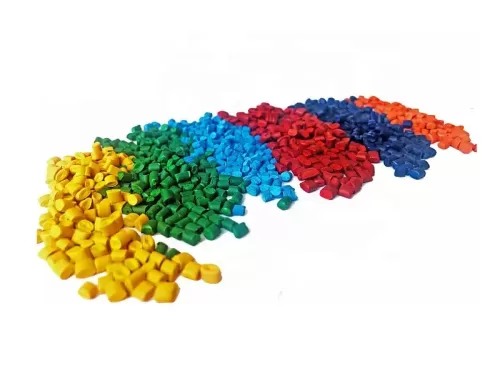
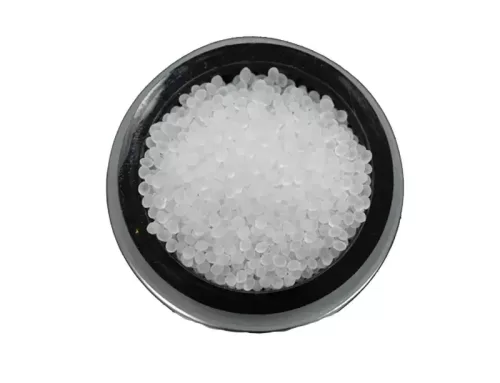
Color masterbatches play a pivotal role in various industries, imparting vivid hues to an array of products. To ensure these masterbatches meet stringent quality standards, manufacturers employ advanced techniques and rigorous quality control measures. This article delves into the evolving landscape of quality control in color masterbatch production, exploring industry standards and the latest testing methodologies.
1. Industry Standards and Regulations:
Color masterbatch production adheres to a gamut of industry standards and regulations. These standards, often set by regulatory bodies, ensure the pigments’ safety, consistency, and environmental impact. Exploring standards like ISO 9001:2015 and regulatory directives such as REACH and FDA compliance provides a comprehensive understanding of the baseline quality requirements.
2. Spectrophotometry and Color Matching:
Spectrophotometric analysis stands at the forefront of color matching and quality control. Cutting-edge spectrophotometers precisely quantify colors, enabling manufacturers to maintain batch-to-batch consistency. By comparing spectral data, deviations from the standard can be identified, allowing for swift corrective measures.
3. Rheological Analysis:
Understanding the flow properties of masterbatches is crucial for their processing in different applications. Rheological analysis assesses the material’s flow behavior under varying conditions. By comprehending viscosity, melt flow rates, and shear rates, manufacturers optimize processing parameters, ensuring the masterbatches perform seamlessly during production processes.
4. Thermal Analysis Techniques:
Thermal analysis methods like Differential Scanning Calorimetry (DSC) and Thermogravimetric Analysis (TGA) evaluate the masterbatch’s thermal stability and behavior under different temperature conditions. These analyses help in determining the optimal processing temperatures and prevent degradation during manufacturing processes.
5. Microscopic Examination:
Microscopic examination techniques, including Scanning Electron Microscopy (SEM) and Optical Microscopy, enable manufacturers to inspect masterbatch particles at a microscopic level. Detecting irregularities, impurities, or uneven dispersion ensures the final product’s quality and appearance.
6. Gas Chromatography-Mass Spectrometry (GC-MS):
GC-MS is employed to analyze the chemical composition of masterbatches. It identifies volatile components and potential contaminants, ensuring the masterbatches’ purity. By pinpointing trace elements, manufacturers uphold the integrity of their products.
In the dynamic landscape of color masterbatch production, adherence to rigorous quality control standards and the adoption of innovative testing methods are paramount. Embracing advanced technologies not only ensures the masterbatches’ quality but also fosters trust among clients and consumers. By continuously exploring and implementing cutting-edge testing methodologies, color masterbatch manufacturers pave the way for vibrant, reliable, and safe products that enrich various industries.